

Start with cold and soft foods
The first 24 hours after getting braces are the most sensitive. Your teeth and gums react to the new pressure by becoming tender and inflamed. Choosing the right foods immediately helps manage this discomfort before it escalates.
Cold foods act as a natural numbing agent. The temperature reduces swelling in the gums, providing immediate relief from the ache that often follows an adjustment. Think of ice cream or cold yogurt as a soothing balm for your mouth rather than just a treat.
Stick to soft textures that require minimal chewing. Hard or crunchy foods can irritate the brackets and wires, causing pain or even damaging the hardware. Prioritize foods that dissolve easily or can be mashed with a fork.
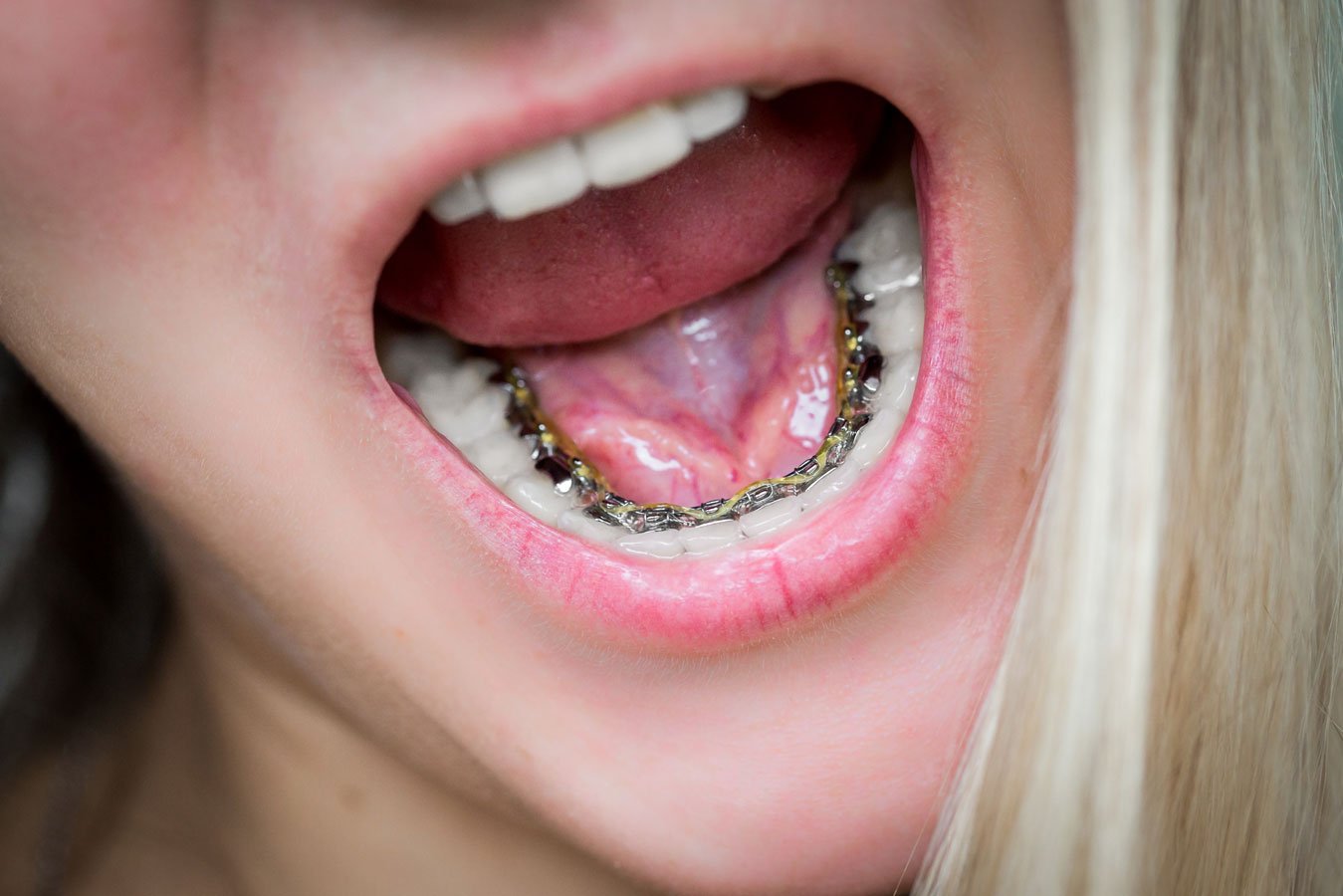
Here are the best options for your first day:
- Yogurt: Choose plain or fruit-flavored varieties without hard chunks. Greek yogurt offers extra protein to help with healing.
- Mashed Potatoes: Skip the skin and add butter or milk for a smooth, easy-to-swallow consistency.
- Smoothies: Blend fruits with milk or yogurt. Avoid adding ice cubes or crunchy granola; stick to liquid or pureed textures.
- Applesauce: A classic soft food that is gentle on sensitive teeth and provides a quick energy boost.
Avoid hot foods during this initial phase, as heat can increase blood flow to the area and worsen swelling. Wait until the initial tenderness subsides before reintroducing warmer meals.
Choose easy-to-chew proteins and grains
After the initial soreness fades, you need protein to heal and grains for energy, but you must avoid anything that requires heavy chewing. Hard proteins like steak or tough chicken breasts will strain your teeth and bend wires. Instead, stick to soft-cooked options that break apart easily with a fork.
Soft-cooked meats are your best bet. Ground beef in meatloaf or tacos, shredded chicken in soup, and flaky white fish are all safe choices. These foods provide the necessary nutrients without the risk of poking your gums or dislodging brackets. Avoid dry, chewy, or stringy textures until your teeth feel completely normal again.
Grains should be soft and moist. Rice, mashed potatoes, and soft pasta like macaroni and cheese are ideal. Oatmeal and quinoa are also excellent sources of fiber and energy. Avoid crunchy crackers, crusty bread, or chewy bagels, which can get stuck in braces and cause irritation.
Protein and Grain Comparison
| Food Type | Safe Options | Avoid |
|---|---|---|
| Proteins | Scrambled eggs, flaky fish, ground turkey, soft tofu | Steak, jerky, tough chicken breast, nuts |
| Grains | Oatmeal, mashed potatoes, soft pasta, rice | Crusty bread, crackers, chewy bagels, popcorn |
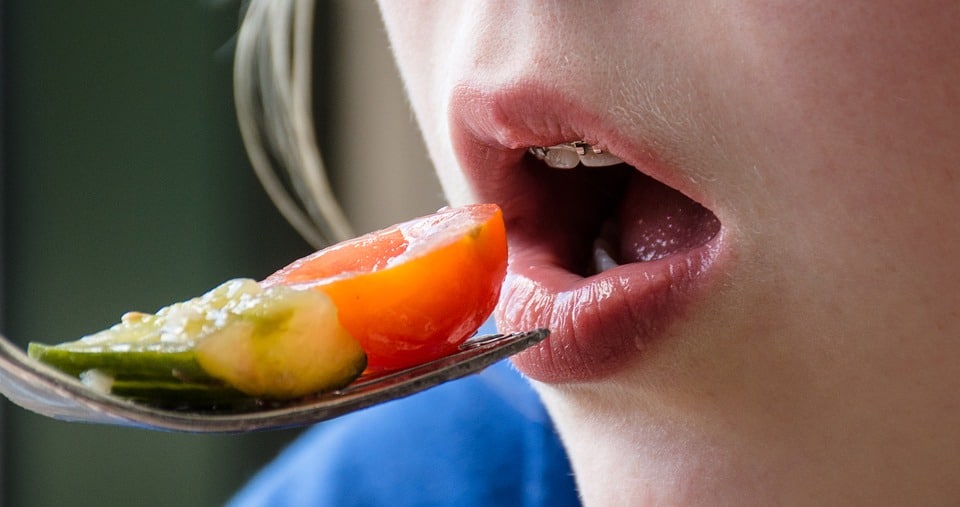
Avoid hard, sticky, and crunchy items
The first week with braces is about protecting your investment. Your brackets are glued to your teeth with adhesive that needs time to set fully. Eating the wrong textures can pop a bracket off mid-meal, turning a routine lunch into an emergency orthodontic visit.
Think of your braces like a delicate watch mechanism. You wouldn’t drop a watch on concrete, and you shouldn’t bite into foods that act like concrete against your brackets. The goal is simple: avoid anything that requires significant force to break apart or anything that can wedge itself into the wires.
Hard Foods
Hard items are the most common cause of broken brackets. If it’s hard enough to crack a nut or chip a tooth, it’s too hard for braces.
- Whole nuts and seeds: These are small, hard, and easy to miss. They can snap wires or dislodge brackets.
- Hard candies and ice: Chewing on ice is a bad habit that damages both braces and natural enamel. Avoid hard candies, lollipops, and jawbreakers.
- Raw vegetables: Carrots and celery are healthy, but their crunch is dangerous. Steam them until soft or cut them into tiny, manageable pieces if you must eat them raw.
- Hard breads: Bagels, crusty baguettes, and hard rolls require too much biting force. Stick to soft sandwich bread or tortillas.
Sticky and Chewy Foods
Sticky foods are sneaky. They don’t always break brackets immediately, but they pull on wires and glue over time. They are also a nightmare to clean out, leading to plaque buildup and cavities around the brackets.
- Caramel and taffy: These stretch and pull. They can bend wires and pop brackets off entirely.
- Gum: Chewing gum is a major risk. It gets tangled in the wires and is difficult to remove without professional tools.
- Chewy candies: Gummy bears, licorice, and dried fruit (like mango or pineapple strips) can stick to brackets and pull them loose.
- Tough meats: Steak or jerky requires tearing with your front teeth. This puts direct pressure on the brackets. Cut meat into small, bite-sized pieces and chew with your back teeth.
Crunchy Snacks
Crunchy foods break into sharp shards that can get stuck in your braces or damage the wires.
- Chips: Potato chips, corn chips, and tortilla chips are brittle and sharp. They can break brackets or bend wires.
- Popcorn: This is a double threat. The kernels are hard and can pop brackets, while the hulls get stuck in gums and wires, causing irritation and decay.
- Hard cookies: Cookie dough or brownie bites are fine, but hard cookies like biscotti or gingersnaps are not.
By sticking to soft, easy-to-chew foods, you keep your braces intact and your treatment on track.
Manage soreness with pain relief tips
Soreness is normal. It means your teeth are shifting. The pressure builds up in the first 24 to 72 hours. You can handle this pain without skipping meals.
Start with over-the-counter pain relievers. Ibuprofen or acetaminophen works well. Take them before the soreness peaks. Do not wait until you are in severe pain to take medication. Follow the dosage instructions on the bottle.
Use orthodontic wax on any sharp edges. Dry the bracket with a tissue first. Press a small piece of wax over the wire or bracket causing irritation. This creates a smooth surface. Your cheeks and lips will thank you.
Apply a cold compress to your cheeks. Hold it against the outside of your mouth for 15 minutes. The cold numbs the area and reduces inflammation. You can also sip ice water or suck on ice chips. Avoid hot foods, which can increase swelling.
If pain persists beyond three days, contact your orthodontist. Severe pain is not typical for the first week.
Comfort items checklist
Keep these items within reach for the first week:
-
Over-the-counter pain relievers (ibuprofen or acetaminophen)
-
Orthodontic wax
-
Cold compress or ice pack
-
Soft-bristled toothbrush
-
Salt for warm water rinses
FAQs about eating with braces
Can I use a straw after getting braces?
It is best to avoid straws for the first 24 to 48 hours. The suction action can put pressure on your new brackets and wires, potentially loosening them or causing discomfort. Stick to drinking directly from a glass or cup to keep your orthodontic appliances secure while your teeth adjust to the initial pressure.
Is ice cream safe to eat with braces?
Yes, ice cream is a great option for the first week because it is cold and soft. The coldness can help numb sore gums and reduce inflammation. Just make sure to choose plain varieties without hard mix-ins like nuts, chocolate chips, or caramel swirls, which can break brackets or get stuck in difficult-to-clean areas.
How often should I brush after eating?
You should brush your teeth after every meal and snack. Food particles easily get trapped around brackets and wires, leading to plaque buildup and cavities. If you cannot brush immediately, rinse your mouth thoroughly with water to wash away debris and reduce acid exposure until you can clean your teeth properly.
Put The Braces Diet into practice
No comments yet. Be the first to share your thoughts!