

Set up your comfort kit
The first 24 hours after getting braces are when sensitivity is highest. Your teeth may feel tender to the touch, and the brackets can rub against your cheeks. You do not need to buy a specialized medical kit; you just need a few specific items to manage the transition.
Keep a small pouch in your bag with orthodontic wax and a soft-bristled toothbrush. The wax is your primary defense against irritation. When a bracket edge feels sharp, dry the metal with a tissue and press a small pea-sized ball of wax over it. This creates a smooth barrier that stops the bracket from scraping your gums.
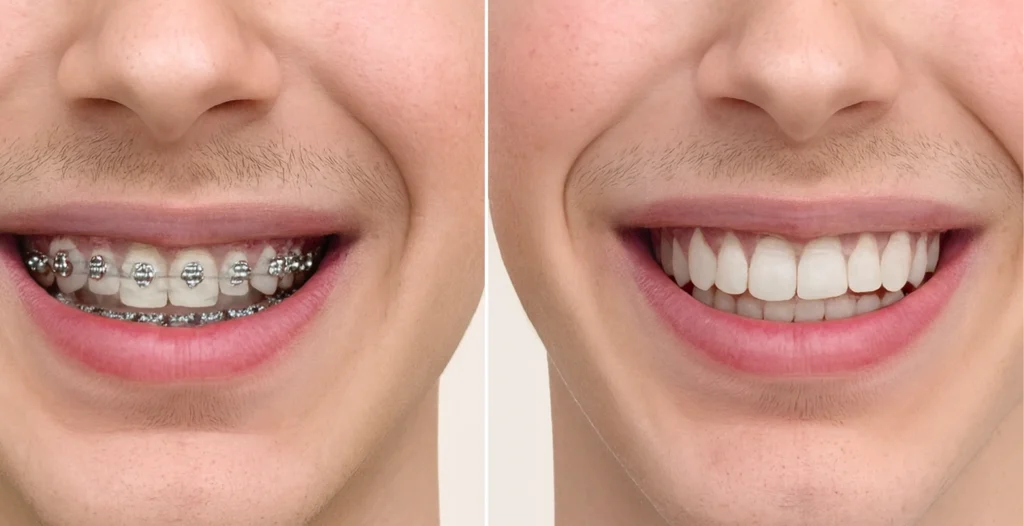
Your toothbrush choice matters more than you might think. Switch to a soft-bristled brush immediately. Hard bristles can damage the newly bonded brackets and irritate gums that are already inflamed. Use fluoride toothpaste to strengthen the enamel around the brackets, preventing white spots that can form if plaque builds up in these hard-to-reach areas.
Saltwater rinses are another essential tool. Mix half a teaspoon of salt in a cup of warm water and swish for 30 seconds after meals. This reduces inflammation and keeps the gums around the braces clean when brushing feels too uncomfortable. If the soreness peaks on day two, over-the-counter pain relievers like ibuprofen can help you sleep through the first night.
plan around the first meals
The first 24 to 48 hours after getting braces are the most sensitive. Your teeth feel tender, and the wires can rub against your cheeks. What you eat right now sets the tone for the rest of your treatment. Choosing soft foods protects your brackets from breaking and keeps discomfort manageable while your mouth adjusts.
Think of your new braces as a delicate instrument. Hard or sticky foods are like dropping a wrench on a piano; the damage is immediate and costly. Stick to a diet of soft, easy-to-chew items for the first week. This approach prevents broken wires and loose brackets, which would otherwise extend your treatment time and add extra office visits.
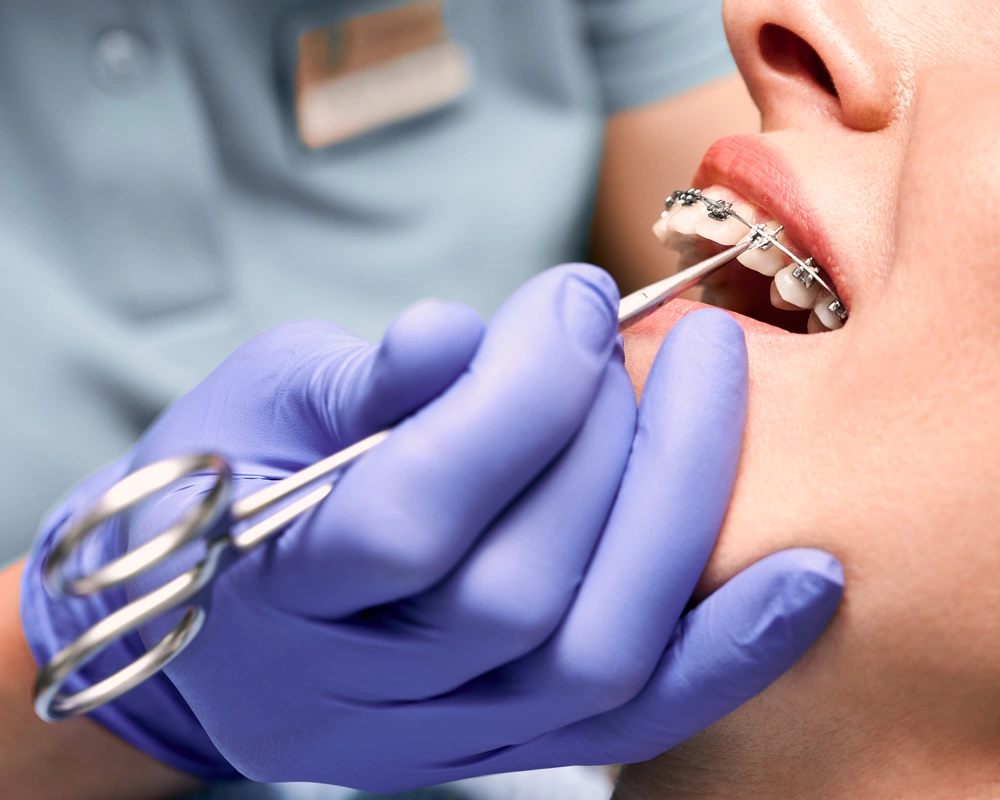
Safe vs. Unsafe Foods
Use this comparison to quickly decide what to put on your plate. The goal is to avoid anything that requires forceful biting or leaves sticky residue on the brackets.
| Food Type | Safe Choices | Avoid Completely | Why |
|---|---|---|---|
| Proteins | Scrambled eggs, soft chicken, fish, tofu | Steak, jerky, tough cuts, raw chicken | Tough fibers require forceful tearing |
| Grains | Oatmeal, mashed potatoes, soft pasta, rice | Crusty bread, bagels, hard tacos, crackers | Hard crusts can pop brackets off |
| Fruits | Bananas, applesauce, canned peaches, smoothies | Whole apples, pears, raw carrots, apples | Biting into whole produce breaks wires |
| Vegetables | Steamed broccoli, cooked carrots, spinach | Raw celery, corn on the cob, nuts | Crunchy textures snap brackets |
| Treats | Yogurt, ice cream, pudding, soft cake | Caramel, taffy, gum, hard candy, popcorn | Stickiness pulls off brackets; popcorn hulls get stuck |
Eating Strategy
Cut all solid foods into small, bite-sized pieces. Use a fork instead of your front teeth to take bites. Chew slowly and use your back teeth, which have more surface area and are less likely to dislodge the brackets. If you experience pain while eating, switch to liquid nutrition like smoothies or protein shakes until the tenderness subsides.
Staying hydrated is also important. Drink plenty of water to help rinse away food particles that get trapped in the wires. Avoid sugary drinks and carbonated beverages, which increase the risk of decay around the brackets. If you must have soda, use a straw to bypass the braces entirely, though water is always the best choice.
Clean around brackets daily
Your braces create dozens of tiny traps for food and plaque. Without a deliberate cleaning routine, these traps quickly lead to decalcification (permanent white spots on the enamel) and gum inflammation. The first week is critical because your gums are already sensitive from the initial placement. You must clean thoroughly after every meal and before bed to prevent bacteria from settling around the brackets.
1. Angle your brush at 45 degrees
Hold your soft-bristled toothbrush at a 45-degree angle to the gum line. This angle allows the bristles to slip under the archwire and clean the area where the bracket meets the tooth. Brush gently but firmly, using small circular motions rather than harsh scrubbing. Focus on each bracket individually, spending a few seconds on the top, bottom, and sides of the metal or ceramic squares. This angle is the most effective way to remove the plaque film that causes gum swelling.
2. Floss with a threader or floss pick
Standard flossing is difficult with braces because the wire blocks the floss from sliding down. Use a floss threader or orthodontic floss picks to guide the floss under the wire. Once the floss is under the wire, curve it into a "C" shape against the side of the tooth and gently slide it up and down below the gum line. Clean both sides of each tooth. This step removes debris that brushing cannot reach, particularly between the teeth where gum disease often starts.
3. Rinse with fluoride mouthwash
After brushing and flossing, rinse with an alcohol-free fluoride mouthwash. Fluoride helps remineralize weakened enamel and protects against the acidic attacks from trapped food particles. Swish for 30–60 seconds, ensuring the liquid flows around all brackets and wires. This final step creates a protective barrier and soothes irritated gums during the adjustment period.
4. Inspect and repeat
Use a mirror to check for any remaining food debris, especially in the back molars where brackets are hardest to see. If you spot anything, rinse with water and repeat the brushing motion on that specific bracket. Consistency is key; missing even one cleaning session can allow plaque to harden into tartar, which requires professional removal. Stick to this routine daily to keep your teeth healthy while your teeth move.
Handle soreness and adjustments
Your teeth will feel tender once the wires begin applying pressure. This sensation is normal, but it can make eating and speaking uncomfortable for the first few days. Expect the discomfort to peak around day two before gradually fading over the next week.
Follow this sequence to manage pain effectively during your first week:
- Start medication early. Take an over-the-counter pain reliever like ibuprofen or acetaminophen before the numbness wears off. Do not wait until the pain becomes severe to take the first dose.
- Use orthodontic wax. Dry the brackets with a tissue, roll a small piece of wax into a ball, and press it over the bracket or wire causing irritation. This creates a smooth barrier between the metal and your cheeks.
- Rinse with salt water. Mix one teaspoon of salt in a glass of warm water and swish for 30 seconds. This helps soothe inflamed gums and reduces the risk of infection from minor sores.
- Stick to soft foods. Avoid crunchy, chewy, or hard foods that require significant biting force. Opt for yogurt, mashed potatoes, smoothies, and scrambled eggs for the first few days.
Each adjustment appointment will cause a similar, though typically milder, ache that lasts only one to two days. Consistent use of wax and soft foods makes this recurring phase much easier to manage.
Track your progress checklist
Braces work best as a clear sequence: define the constraint, compare the realistic options, test the tradeoff, and choose the path with the fewest hidden costs. That order keeps the advice usable instead of decorative.
After each step, pause long enough to check whether the recommendation still fits the reader's actual situation. If it depends on perfect timing, unusual access, or a best-case budget, include a simpler fallback.
The simplest way to use this section is to write down the real constraint first, compare each option against it, and choose the path that still works outside ideal conditions.
Common first-week: what to check next
The first few days after getting braces are an adjustment period. Your mouth needs time to adapt to the new hardware. Below are answers to the most frequent questions patients ask during this initial phase.
Do braces hurt more on day 2 or 3?
Soreness typically peaks around day 2 or 3, not immediately after the appointment. This is when your teeth begin moving under the pressure of the archwire. The ache usually fades within a week. Use orthodontic wax to cover irritating brackets and rinse with saltwater to soothe gums.
What are the 5 stages of braces?
Understanding the timeline helps manage expectations. The process generally follows five stages:
- Consultation: The orthodontist examines your teeth and takes X-rays.
- Bonding: Brackets are attached to your teeth.
- Adjustments: Regular visits to tighten wires and progress movement.
- Debanding: Brackets are removed once teeth are aligned.
- Retainer: You wear retainers to maintain your new smile.
Do and don'ts for braces?
Protect your new braces by changing your eating habits. Cut hard fruits and vegetables into bite-sized pieces to avoid dislodging brackets. Avoid chewing on pencils, pens, or fingernails. Steer clear of sugary and carbonated drinks, which increase the risk of tooth decay around the brackets. Brush after every meal and floss daily to keep your teeth clean.
Work through The Braces
No comments yet. Be the first to share your thoughts!