

Start with soft foods
Your teeth will likely feel tender for 24 to 72 hours after your orthodontist tightens your braces. This soreness is a sign that the wires are actively moving your teeth into place. To protect the new hardware and keep discomfort manageable, your first step is to stick to soft foods that require minimal chewing.
Think of this period like a gentle warm-up for your jaw. Just as you wouldn’t sprint immediately after sitting still, you shouldn’t tackle tough steaks or crunchy apples right after an adjustment. Instead, focus on foods that slide down easily. Smoothies, mashed potatoes, yogurt, and oatmeal are excellent choices because they provide energy without putting pressure on your braces or teeth.
Here is a simple progression to guide your meals:
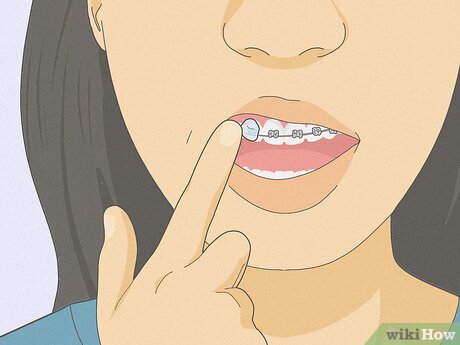
On the first day, your mouth may be most sensitive. Stick to liquids and purees. Protein shakes, smoothies, and lukewarm broths are easy to consume. You can also try applesauce or pudding. These items require zero chewing and help keep you hydrated and fueled while your teeth adjust to the new pressure.
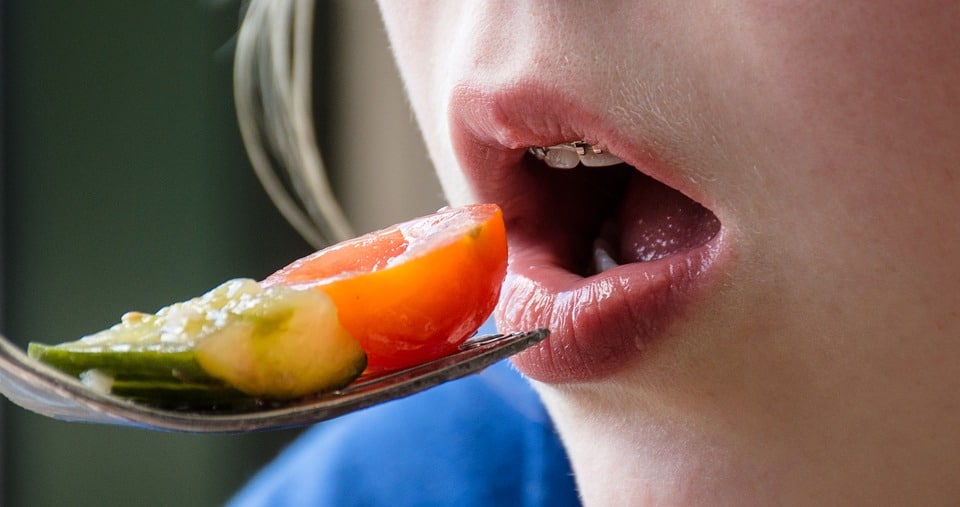
As the initial tenderness fades, you can introduce soft solids. Scrambled eggs, well-cooked pasta, and soft rice are great options. Mashed potatoes remain a staple because they are filling and gentle. If you eat soup, ensure it is not too hot, as heat can sometimes increase inflammation in sensitive teeth.
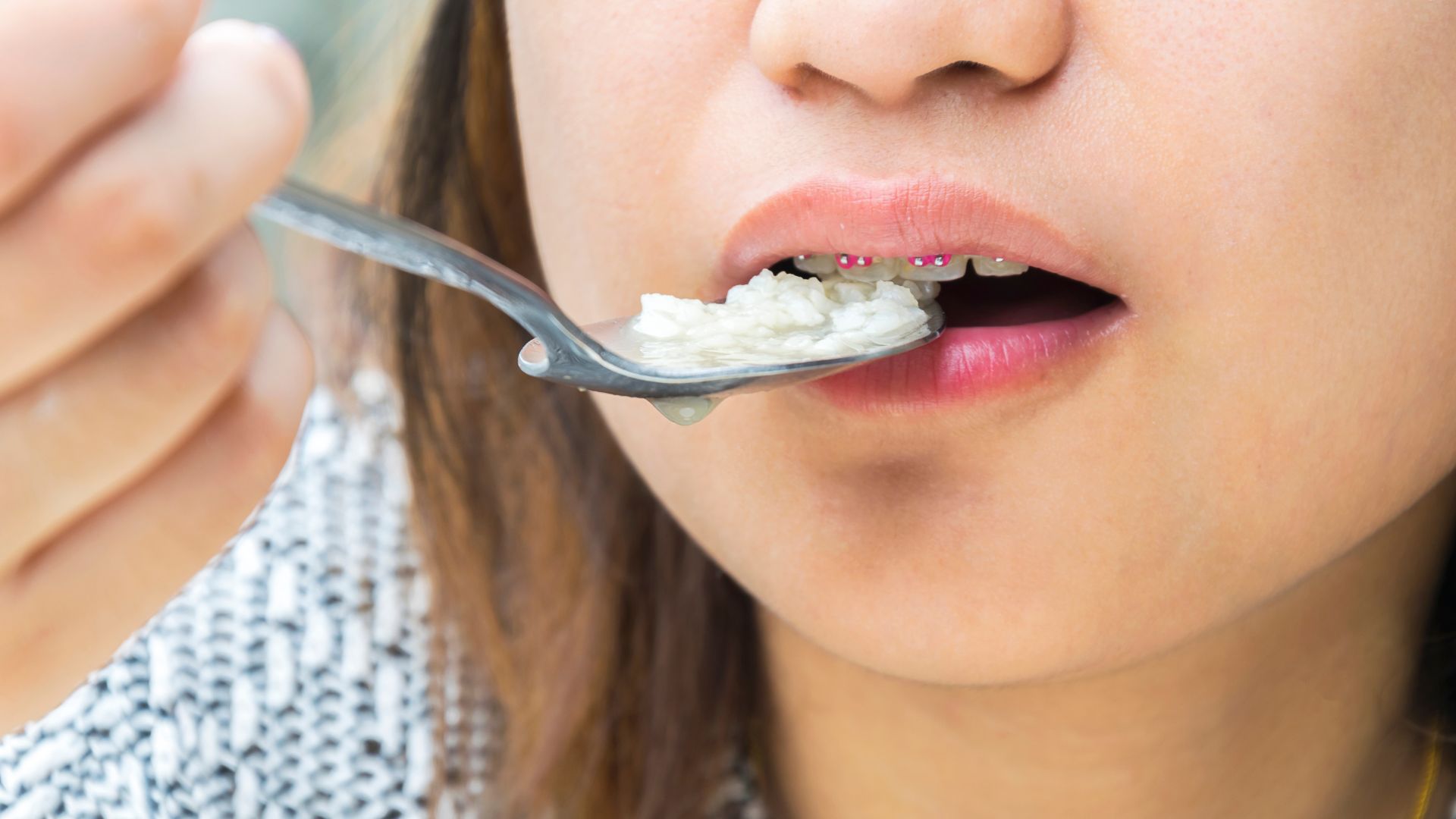
By the third day, most people find their teeth have adjusted significantly. You can gradually reintroduce slightly firmer foods, but still avoid anything hard, sticky, or chewy. Continue to cut foods into small pieces to reduce the strain on your brackets. If you feel any pain, step back to softer options until the discomfort subsides.
Avoiding hard or sticky foods during this window prevents broken brackets and bent wires. A broken bracket means an extra visit to the orthodontist, which delays your treatment. By listening to your body and choosing soft foods, you keep your treatment on track and your mouth comfortable.
Cut food into small pieces
The first mechanical adjustment to your eating habits is simple: stop biting with your front teeth. Brackets on your incisors are the most vulnerable points in your appliance. When you bite into a whole apple or a thick sandwich, the leverage against the front brackets can pop them off or bend the archwire. Instead, you must reduce the force required by breaking food down before it reaches your mouth.
Use a knife to cut everything into bite-sized chunks. This applies to soft foods like cooked vegetables, tender meats, and even fruits like bananas or melon. By reducing the size of each piece, you eliminate the need to tear or crunch. You can then use your back molars to crush and grind the food, where the brackets are stronger and less likely to sustain damage.
This habit extends beyond just avoiding broken brackets; it also aids digestion and comfort as your teeth adjust. Smaller pieces are easier to chew thoroughly, which reduces the strain on your gums and teeth. It turns a potentially painful chewing process into a manageable routine.
To make this easier, keep a small knife and plate at every meal. Pre-cutting your lunch or dinner before you sit down ensures you won’t be tempted to take a risky bite of a whole item. This small preparation step is the most effective way to protect your investment.
- Cut all fruits and vegetables into chunks before eating.
- Slice meats into thin strips or small cubes.
- Avoid biting directly into whole items like apples, carrots, or sandwiches.
- Use your back teeth for chewing, not your front incisors.
Avoid hard and sticky foods
The easiest mistake when following a braces diet is comparing options based on appearance while ignoring the mechanical constraints. A choice can look strong on paper and still fail because it is too hard to maintain, too expensive to repeat, or awkward in the actual setting.
Use the same checklist for every option: fit, cost, durability, timing, upkeep, and fallback plan. That keeps the comparison practical instead of drifting into preference alone.
The simplest way to use this section is to write down the real constraint first, compare each option against it, and choose the path that still works outside ideal conditions.
Soothe soreness with cold foods
The first 24 to 48 hours after your braces are tightened are usually the most uncomfortable. Your teeth and gums feel tender, and chewing can be painful. Cold temperatures act like a natural anesthetic, numbing the area and reducing inflammation. Think of it as putting an ice pack on a bruise, but for your teeth.
Start your meals with cold, soft foods that require zero chewing. These items slide down easily and keep your mouth cool. Avoid anything crunchy, sticky, or hard, as these can bend wires or get stuck in brackets, making the soreness worse.
Here are the best cold options:
- Smoothies: Blend frozen fruit with yogurt or milk. Avoid chunks of ice that might hit your brackets directly.
- Ice cream or frozen yogurt: Choose varieties without nuts, cookies, or hard candy pieces. Soft serve is ideal.
- Cold mashed potatoes: Let them cool to room temperature or slightly chilled. Add a little butter or gravy for extra softness.
- Yogurt: Greek yogurt is thick and creamy. Avoid those with large fruit pieces or crunchy granola.
- Jell-O or pudding: These are completely soft and cold, providing immediate relief without any effort.
Skip hot foods like coffee or soup during this window. Heat increases blood flow to the gums, which can intensify the throbbing sensation. Stick to cold or room-temperature items until the tenderness fades.
Braces Diet FAQ
Here are the most common questions about eating with braces, including the typical cost of treatment and how to manage pain.
No comments yet. Be the first to share your thoughts!