

The first 24 hours
The first 24 hours after getting braces are usually the toughest. Your mouth will be sensitive, and everything will feel…different. The golden rule is soft foods only. But what does that actually mean? It's more than just soup, though soup is a great start. Think about foods that require minimal chewing and won't put pressure on your new brackets.
Discomfort is normal, and your food choices directly impact how you feel. Avoid anything that could irritate your gums or potentially damage the braces. Focus on foods that are easy to swallow and won't get stuck in the wires. It’s a bit of a weird adjustment, I know. It feels strange to be limiting yourself right after the appointment, but trust me, it's worth it for a smoother recovery.
Don’t forget about hydration! Staying hydrated is incredibly important, especially when your mouth feels sore. Water is the best option, but you can also have clear broths or diluted juice. Avoid anything acidic or sugary, as these can irritate your gums and contribute to plaque buildup. This initial period is about being kind to your mouth and letting it adjust.
Safe soft foods
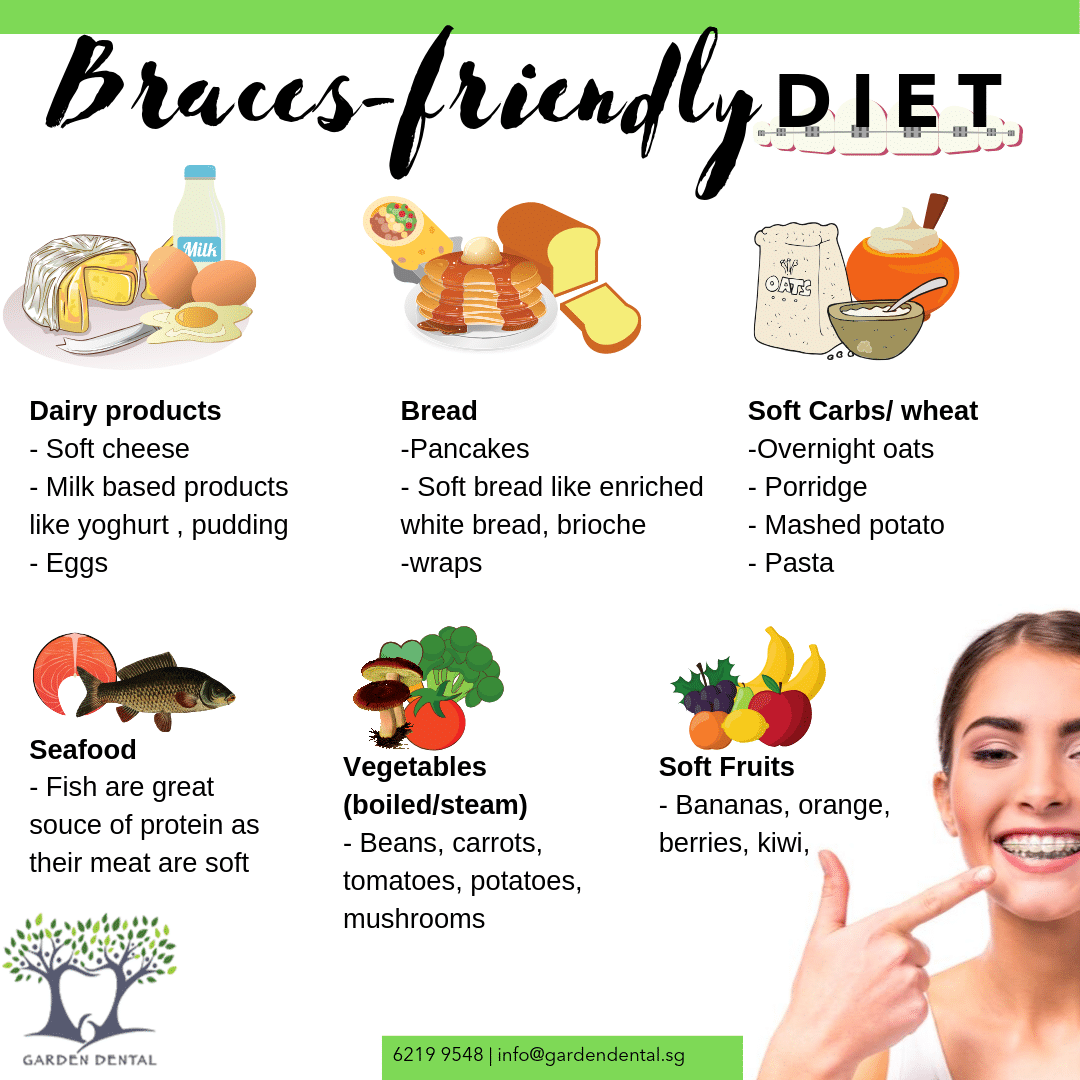
Okay, let’s get into specifics. What can you eat during those crucial first few days? Yogurt is a fantastic option – it’s soft, cool, and provides protein to help with healing. Mashed potatoes (smooth, not chunky!) are another winner, as are smoothies. Just avoid adding seeds or bits of fruit that could get lodged in your braces.
Eggs, scrambled or softly boiled, are a great source of protein and easy to eat. Applesauce is gentle on your gums and provides some sweetness. Oatmeal, cooked until very soft, can be comforting. These foods aren’t just easy to chew; they actively contribute to your recovery. Protein supports tissue repair, and softer textures minimize irritation.
However, even within the "soft foods’ category, there are some things to be mindful of. Highly acidic fruits like oranges or grapefruit can sting sore gums. Even tomato-based soups might cause discomfort. It"s about finding a balance between nourishment and comfort. Listen to your mouth – if something feels irritating, don't force it.
- Plain yogurt or Greek yogurt
- Mashed potatoes (smooth)
- Smoothies (no seeds or chunks)
- Scrambled or softly boiled eggs
- Applesauce
- Soft oatmeal
- Broth-based soups
- Puddings and custards
Safe Food Choices During Your First Month with Braces
| Meal | Food Item | Comfort Level (1-5, 1=Easiest) | Notes |
|---|---|---|---|
| Breakfast | Oatmeal (well-cooked) | 1 | Ensure it's not too hot and avoid adding nuts or seeds. |
| Breakfast | Scrambled Eggs | 2 | Soft texture is key. Avoid crispy bacon or toast alongside. |
| Lunch | Soft Cooked Pasta (small shapes) | 2 | Choose smaller pasta shapes to avoid getting stuck. Avoid tough meatballs. |
| Lunch | Creamy Tomato Soup | 1 | Cool slightly before consuming to avoid burns. |
| Dinner | Mashed Potatoes | 1 | Ensure they are smooth and lump-free. |
| Dinner | Soft Fish (like cod or tilapia) | 3 | Flake the fish into small pieces. Avoid bones. |
| Snacks | Yogurt | 1 | Avoid yogurts with granola or fruit pieces initially. |
| Snacks | Applesauce | 1 | A good source of nutrients and easy to eat. |
Illustrative comparison based on the article research brief. Verify current pricing, limits, and product details in the official docs before relying on it.
Expanding your diet in week one
As the initial soreness begins to subside, you can start to introduce slightly more textured foods, but proceed with caution. Well-cooked pasta – think macaroni and cheese or small shapes – is usually a good starting point. Soft-cooked vegetables like carrots or green beans are also okay, as long as they’re tender enough to chew easily.
Shredded chicken or ground beef, cooked until very tender, can add some much-needed protein to your diet. Avoid anything that requires a lot of forceful chewing. The key here is listening to your body. If something hurts, stop eating it immediately. There's no prize for powering through discomfort.
I see a lot of people tempted to 'test' their braces after the first couple of days. Don’t. Resist the urge to bite into something crunchy just to see what happens. It’s not worth the risk of damaging your brackets or wires. Stick to the softer side of things for as long as possible.
Foods that break brackets
You have to skip the hard and sticky stuff. Hard candy can snap a bracket right off the tooth. Caramels and taffy are worse because they wrap around the wires and pull. I'd also stay away from gum entirely.
Popcorn is a surprisingly common culprit. Those little kernels get stuck everywhere. Nuts and seeds are also best avoided for the same reason. Crunchy vegetables like raw carrots or celery can damage brackets. Even seemingly harmless foods like apples and corn on the cob need to be approached with caution.
The reason for all these restrictions isn’t just about preventing damage. It’s also about keeping your braces clean. Foods that get stuck in the wires create a breeding ground for bacteria, which can lead to cavities and gum disease. Taking the time to avoid these foods now will save you a lot of trouble later.
- Hard candies
- Sticky caramels and taffy
- Gum
- Popcorn
- Nuts and seeds
- Raw carrots and celery
- Apples and other hard fruits
- Corn on the cob
- Ice
Hydration & Drinks: What's Okay to Sip
Staying hydrated is essential, but what can you drink with braces? Water is always the best choice. It helps rinse away food particles and keeps your mouth clean. Clear broths are also a good option, especially if you're feeling sore. Diluted juice is okay in moderation, but be mindful of the sugar content.
Sports drinks should be avoided as much as possible. They're loaded with sugar, which can contribute to tooth decay. Coffee and tea can stain your teeth, so if you do drink them, rinse your mouth with water afterward. Using a straw can help minimize contact between the drink and your brackets.
Acidity is another factor to consider. Acidic drinks like soda and citrus juice can erode tooth enamel. If you do indulge, drink them quickly and rinse your mouth thoroughly with water afterward. Prioritizing water throughout the day is the best way to keep your teeth healthy and your braces functioning properly.
Troubleshooting: What If Food Gets Stuck?
It happens to the best of us – food gets stuck in your braces. Don't panic! The first step is to gently try and remove the food with floss. Use a floss threader to get the floss under the wires. Be careful not to force it, as this could damage your braces.
Interdental brushes (also known as proxy brushes) are also extremely helpful for cleaning between brackets and wires. They come in various sizes, so choose one that fits comfortably. A water flosser can also be a great tool for dislodging food particles.
If you’re unable to remove the food yourself, don’t hesitate to contact your orthodontist. Trying to poke around with sharp objects can cause damage. They can safely remove the food and ensure your braces are still in good condition. Regular cleaning is the best prevention!
- Gently try to remove the food with floss.
- Use a floss threader to get floss under the wires.
- Use an interdental brush to clean between brackets.
- Consider using a water flosser.
- Contact your orthodontist if you can't remove the food.
No comments yet. Be the first to share your thoughts!