
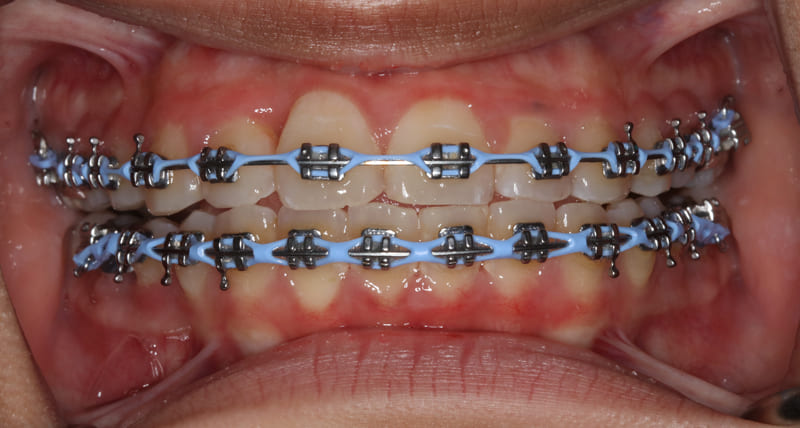

Manage Discomfort in Your First Week
Your teeth will feel tender for the first 48 to 72 hours after your braces are placed. This soreness is a normal reaction to the pressure being applied to your teeth and gums. You can manage this initial adjustment by following a simple routine focused on soft foods, protective wax, and targeted pain relief.
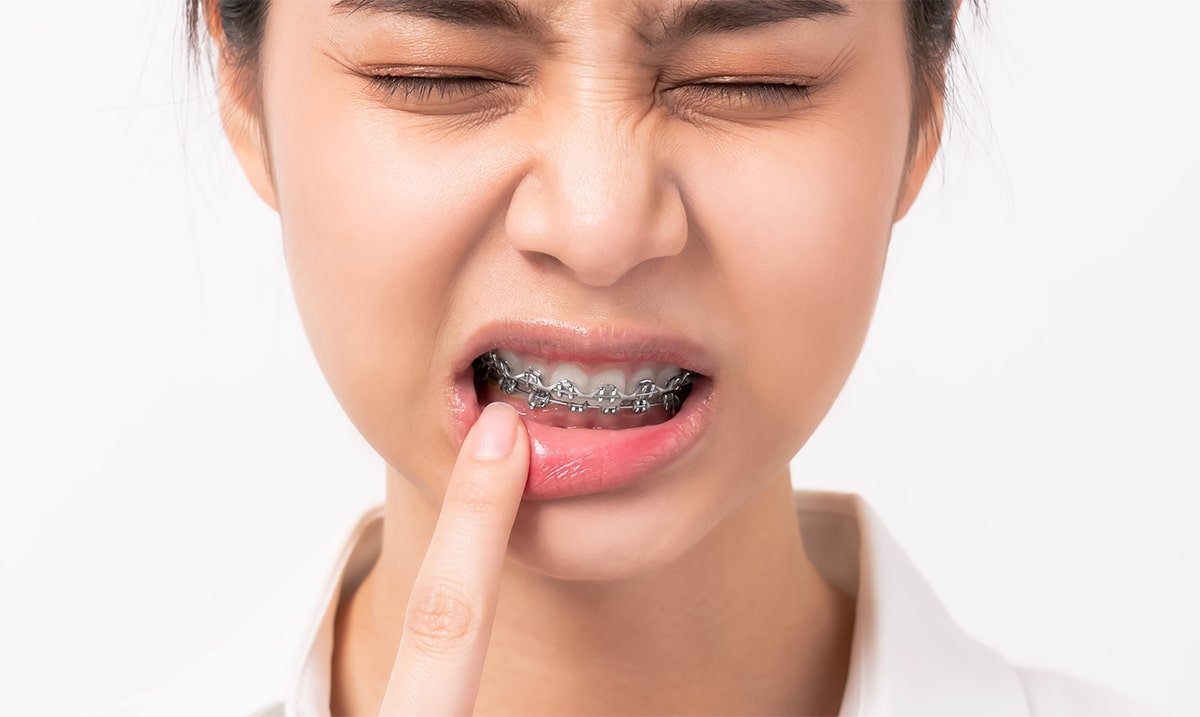
Avoid chewing on hard, crunchy, or sticky foods for the first few days. Choose soft options like mashed potatoes, yogurt, smoothies, applesauce, and lukewarm soup. Cold foods and drinks can also help soothe inflamed gums and reduce sensitivity during this initial period.
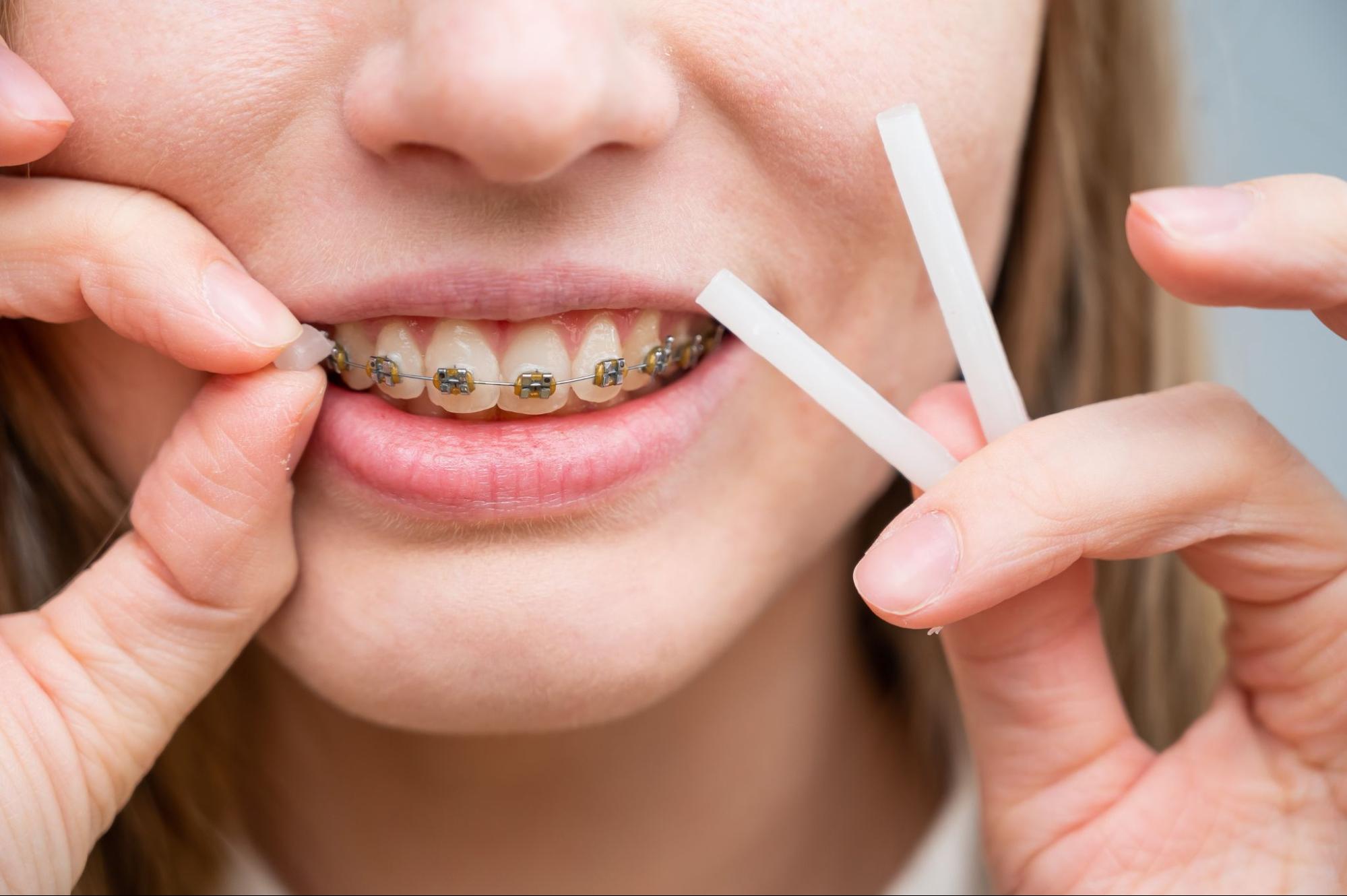
If the brackets or wires begin to rub against your cheeks or lips, dry the area with a tissue and apply a small piece of orthodontic wax over the offending bracket. This creates a smooth barrier that prevents sores and irritation while your mouth adjusts to the new hardware.
To reduce inflammation and numb soreness, wrap an ice pack or a bag of frozen peas in a soft cloth and hold it against your cheeks for 10 to 15 minutes at a time. The cold sensation constricts blood vessels and provides temporary relief from the pressure-induced ache.
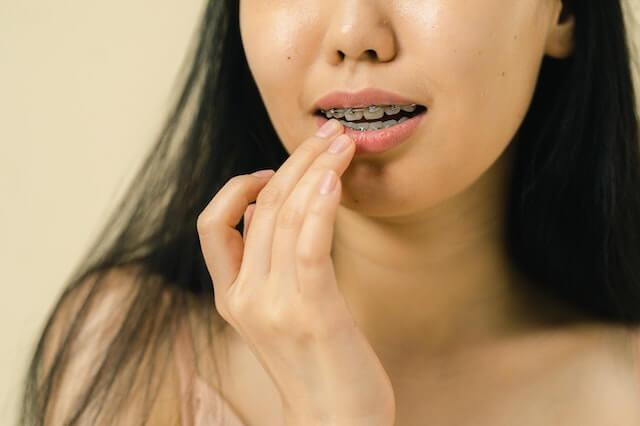
Dissolve half a teaspoon of salt in a cup of warm water and rinse your mouth gently for 30 seconds. This natural antiseptic helps soothe irritated gums and keeps the area clean, especially if any minor sores have formed from the initial adjustment.
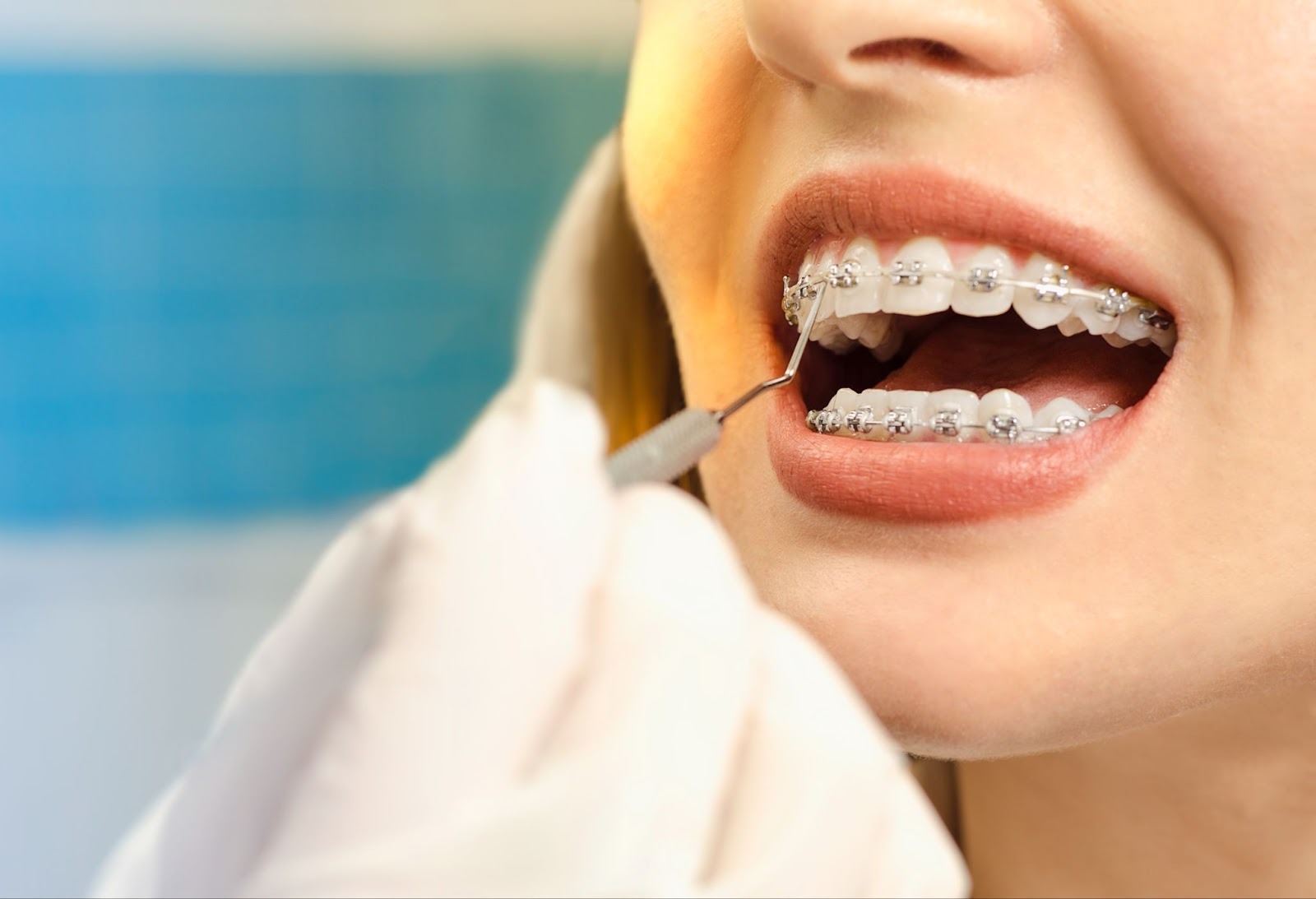
If the discomfort becomes significant, you can take acetaminophen or ibuprofen as directed on the label. These medications help reduce pain and inflammation. Avoid aspirin, which can increase the risk of bleeding in sensitive gums.
Following these steps will make the first week of braces much more manageable. Most people find that the soreness subsides significantly after three days as their mouth adapts to the new alignment.
Master your daily oral hygiene routine
Keeping braces clean is the single most effective way to prevent permanent white spots (decalcification) and gum disease. Plaque builds up rapidly around brackets and wires, turning into a sticky film that standard brushing often misses. Without a disciplined routine, you risk damaging your teeth just as your smile is straightening.
Brush at a 45-degree angle
Position your toothbrush so the bristles touch both the top of the bracket and the gumline simultaneously. This angle allows the bristles to sweep under the archwire and clean the tooth surface where decay starts. Spend at least two minutes, ensuring every tooth receives attention. Use a soft-bristled brush to avoid scratching the brackets or irritating your gums.
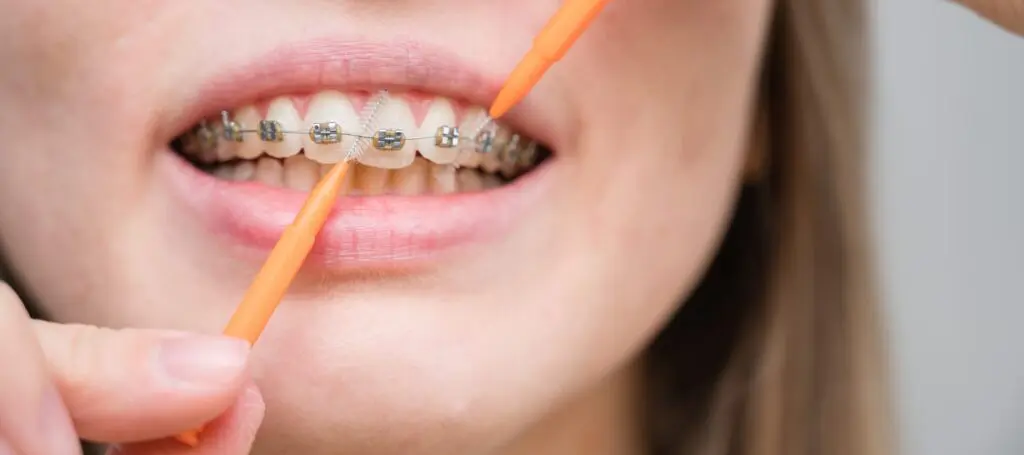
Use an interdental or proxy brush
Standard toothbrushes cannot reach the tight spaces between brackets and wires. An interdental brush acts like a miniature pipe cleaner, sliding into these gaps to dislodge trapped food particles and plaque. Gently insert the brush and rotate it back and forth. This step is critical for preventing gum inflammation, which is common among braces wearers who skip this detail.
Floss with a threader or water flosser
Flossing with braces requires extra tools because you cannot slide floss directly between teeth. Use a floss threader to guide the floss under the main wire, then clean each tooth normally. Alternatively, a water flosser can blast away debris from hard-to-reach areas. Whether you choose threaders or a water jet, daily flossing is non-negotiable for healthy gums.
Rinse with fluoride mouthwash
After brushing and flossing, rinse with an alcohol-free fluoride mouthwash. Fluoride helps remineralize enamel weakened by acid attacks from plaque. Swish for 30-60 seconds, then spit. Do not eat or drink for 30 minutes afterward to let the fluoride work. This final step creates a protective barrier against cavities during your treatment.
Check your work
Run your tongue over your teeth after cleaning. If you feel any roughness or trapped food, your hygiene routine is incomplete. A clean tooth feels smooth, like a polished stone. If you are unsure about your technique, ask your orthodontist for a demonstration during your next adjustment appointment.
Choose braces-friendly foods and drinks
Your diet is the first line of defense against broken brackets and bent wires. What you put in your mouth directly impacts the longevity of your orthodontic treatment. By sticking to soft, non-sticky foods, you keep your braces intact and your comfort levels high.
Safe, soft foods
Start with foods that require minimal chewing. Mashed potatoes, yogurt, and applesauce are gentle on your teeth and gums. Smoothies and soups provide nutrition without the risk of damage. Cold items like ice cream or ice water can also help soothe any tenderness, especially in the first few days after adjustment.
Foods to avoid
Hard, crunchy, and sticky foods are the biggest threats to your braces. Avoid nuts, hard candies, popcorn, and chewy caramel. These items can dislodge brackets or get trapped in wires, leading to painful repairs. Even tough meats or raw vegetables should be cut into small, manageable pieces or cooked until soft.
Drink smart
Sugary drinks and acidic sodas can weaken enamel around brackets, leading to decay. Water is always the best choice. If you do consume something sugary or acidic, rinse your mouth with water afterward to minimize the risk of cavities.
Handle common braces emergencies
A broken bracket or poking wire can turn a routine day into a dental emergency. The goal is to stabilize the issue and protect your soft tissues until your orthodontist can provide professional repair. Most minor repairs can be managed at home using orthodontic wax or tweezers, but severe damage requires immediate contact with your provider.
Poking wires
Wires often shift after eating or brushing, causing sharp ends to poke into your cheeks or gums. This is the most common braces emergency.
- Locate the wire end. Use a clean cotton swab or the eraser end of a pencil to gently push the wire back into place if it has simply slipped out of the tube.
- Apply wax. If the wire cannot be repositioned, dry the area with a tissue and roll a small piece of orthodontic wax into a ball. Press it firmly over the sharp end to create a smooth barrier.
- Trim if necessary. If the wire is excessively long and wax doesn't hold, use clean nail clippers to carefully trim the very end. Be cautious not to swallow or inhale the clipped piece.
Loose brackets
A bracket that is still attached to the wire but loose on the tooth can trap food and slow down treatment. If the bracket has completely fallen off, save it in a small bag and bring it to your next appointment.
- Assess the damage. If the bracket is dangling but still on the wire, try to gently push it back to the center of the tooth using clean tweezers or your fingers.
- Secure with wax. Apply a small amount of orthodontic wax over the loose bracket to keep it in place and prevent it from snagging on food.
- Avoid hard foods. Stick to soft foods and avoid chewing on the side with the loose bracket to prevent it from falling off completely or damaging the wire.
Lost bands
Bands are the metal rings that wrap around your back teeth. If a band pops off, the wire may slide out of place, causing misalignment or poking.
- Retrieve the band. If you can find the band, rinse it and keep it safe. Do not attempt to glue it back on yourself.
- Check the wire. Ensure the wire hasn't slipped out of the adjacent brackets. If it has, gently push it back into the tube using a clean cotton swab.
- Contact your orthodontist. A lost band often means the tube on the tooth is damaged or the bond has failed. Call your orthodontist to schedule a repair, as leaving a band off can delay your treatment timeline.
Track progress with smart monitoring tools
Remote monitoring supplements in-person visits by letting orthodontists check alignment digitally. Instead of waiting for the next scheduled adjustment, your provider can review photos or scans from home. This approach helps catch minor issues early, such as a loose bracket or a wire poking out, before they cause discomfort or delay treatment.
The process is simple: you take clear photos of your teeth using a provided app or camera guide, then upload them securely. Your orthodontist reviews these images during their workflow and flags any concerns. If everything looks on track, you continue your routine. If not, they schedule a quick fix or a brief virtual check-in.
This method reduces the number of physical appointments needed for routine checks. According to industry data, remote monitoring can significantly cut down on total chair time, allowing you to focus on daily life while your teeth shift into place. It turns passive waiting into active progress tracking.
Your braces care checklist
Managing braces discomfort and hygiene requires a consistent routine. Follow this daily sequence to keep your teeth clean and your mouth comfortable.
- Brush after every meal: Use a soft-bristled brush and fluoride toothpaste to remove food trapped around brackets.
- Floss daily: Thread floss under the archwire using a floss threader or water flosser to prevent plaque buildup.
- Apply orthodontic wax: Cover any sharp edges or poking wires with wax to prevent mouth sores.
- Rinse with salt water: Dissolve half a teaspoon of salt in warm water and swish for 30 seconds to soothe gum irritation.
- Take pain relief if needed: Over-the-counter ibuprofen can help manage soreness after adjustments.
-
Brush after every meal
-
Floss daily
-
Apply orthodontic wax
-
Rinse with salt water
-
Take pain relief if needed
Frequently asked questions about braces care
Managing braces involves navigating temporary discomfort, strict hygiene routines, and occasional emergencies. These answers address the most common concerns patients face during treatment.
No comments yet. Be the first to share your thoughts!