

flossing with braces in 2026
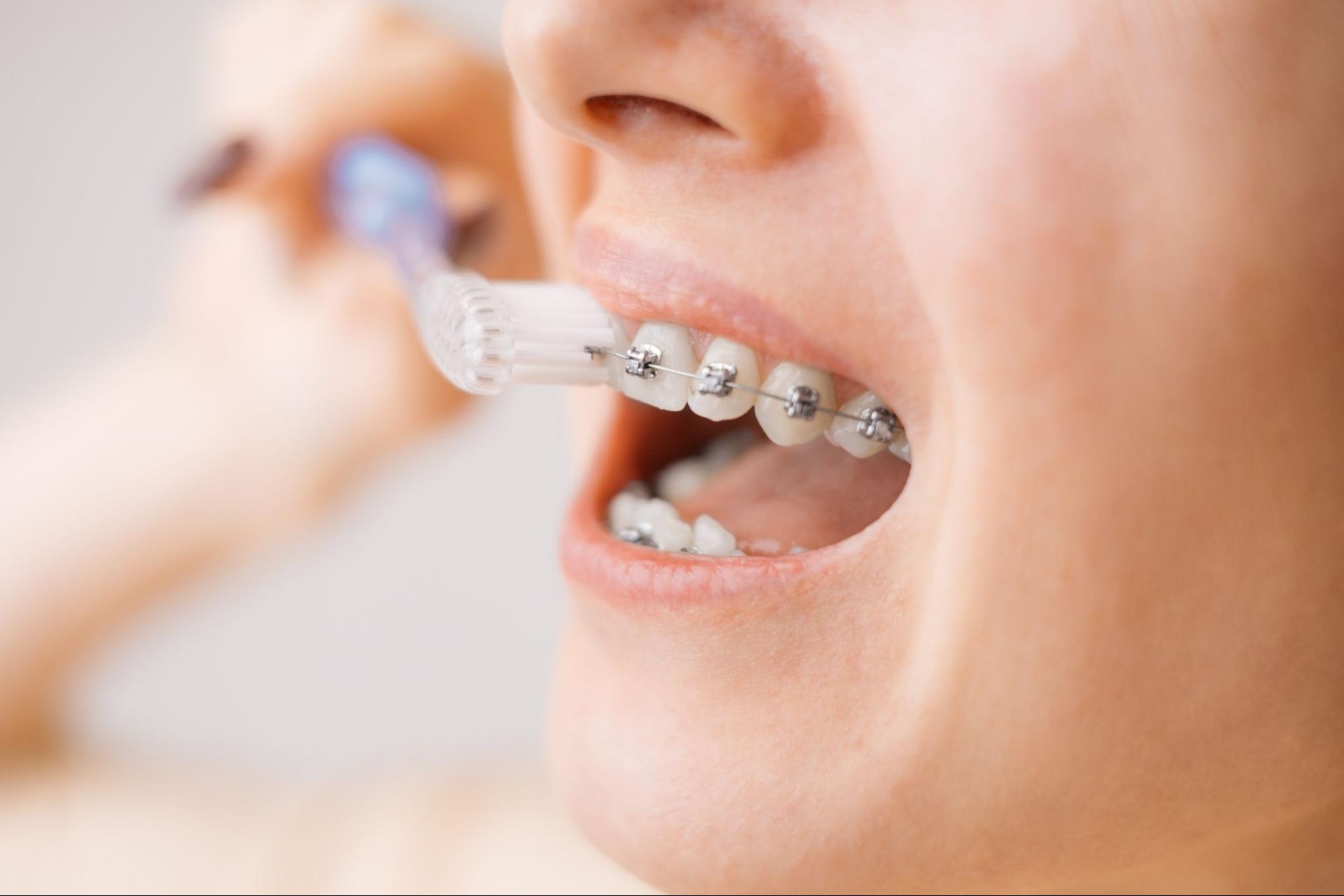
Let’s be honest, flossing with braces feels…impossible sometimes. It’s fiddly, time-consuming, and you’re constantly wondering if you’re actually getting everything clean. But here’s the thing: flossing is even more important when you have braces. Food particles and plaque can easily get trapped around brackets and wires, leading to cavities, gum inflammation, and even delaying your treatment progress.
The tools available now are much better than what existed five years ago. You don't have to struggle with clunky plastic threaders if you don't want to. There are faster ways to get the job done using newer tech and better materials.
This guide will go beyond simply telling you to floss. We’ll cover the best tools, step-by-step techniques, and troubleshooting tips to help you achieve a truly healthy and confident smile throughout your orthodontic journey. Keeping up with the latest developments isn’t just about convenience; it’s about protecting your investment in a beautiful, straight smile.
is traditional floss still worth it?
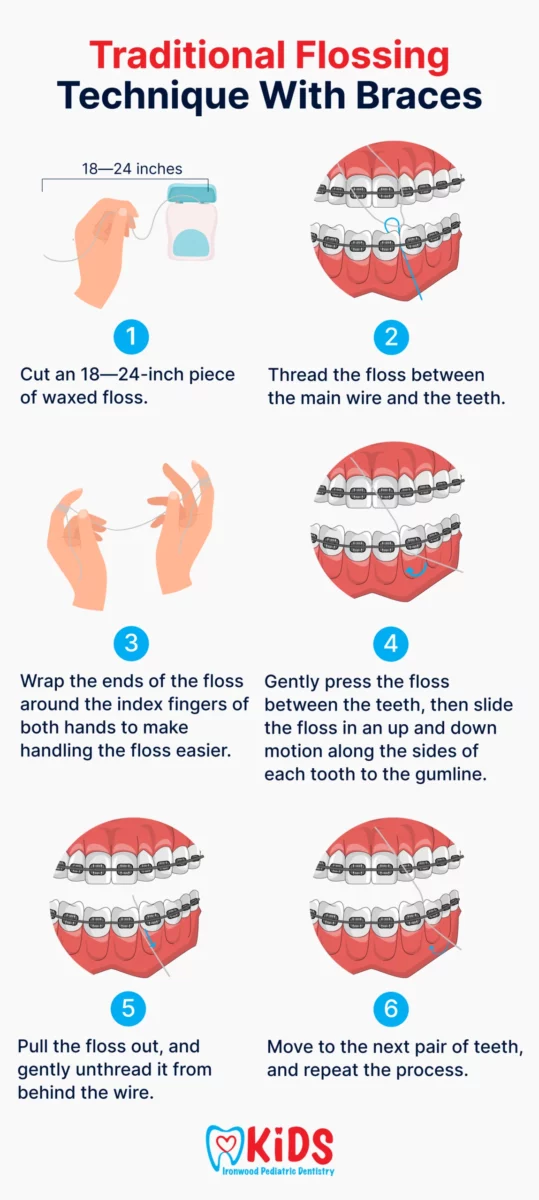
Don't write off traditional floss just yet. Despite the influx of specialized tools, it remains a perfectly viable option for cleaning between your teeth with braces. The key is knowing how to use it effectively. You absolutely need a floss threader, a small plastic tool designed to guide the floss under your archwire.
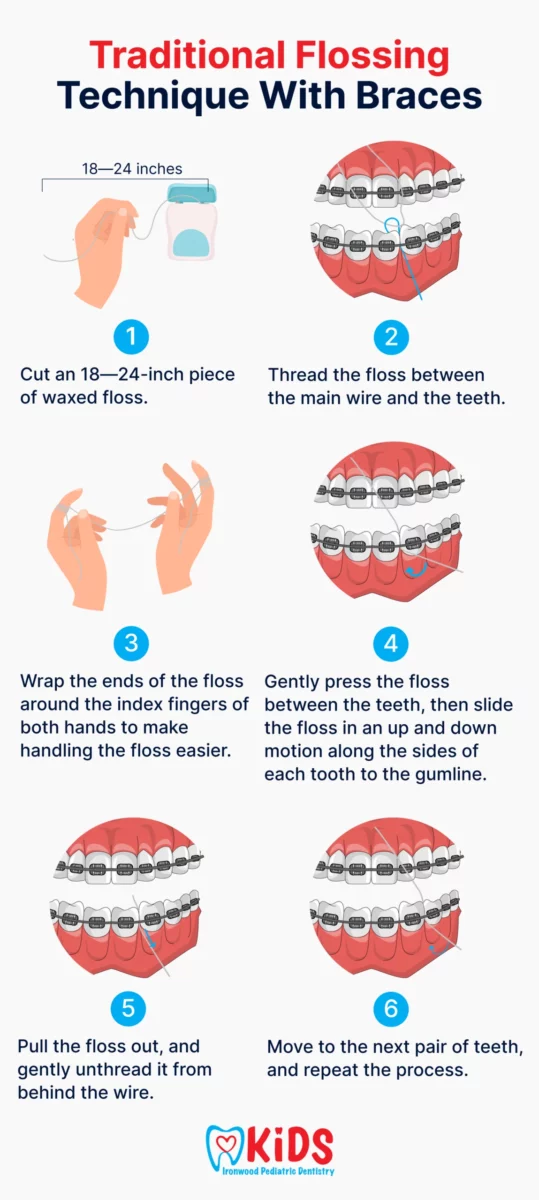
The technique takes practice. Start by threading the floss through the threader. Gently guide the threader and floss under the archwire, between two teeth. Once the floss is through, use a looping motion to clean along the sides of each tooth, and be sure to slide it under the gumline. It’s important to use a fresh section of floss for each tooth.
It's undeniably more time-consuming than using some of the newer tools, and there's a definite learning curve. Many people find it frustrating at first, and it requires good dexterity. However, some people simply prefer the feeling of traditional floss – the control and the sensation of a thoroughly clean tooth. It’s a matter of personal preference, and it’s okay to stick with what works for you.
water flossers and interdental brushes
The market has responded to the challenges of flossing with braces with a wave of specialized tools. Water flossers, like the Waterpik Aquarius, use a pressurized stream of water to remove plaque and debris. Air flossers use a combination of air and micro-droplets of water. Interdental brushes, also known as proxy brushes, are small brushes designed to clean between teeth and around brackets.
Water flossers are popular with people who dislike traditional flossing. They’re easy to use, and the water stream can reach areas that floss can’t. However, they can be messy, and they don’t provide the same tactile feedback as floss. Interdental brushes are excellent for cleaning larger gaps created by your braces, but they may not be suitable for everyone.
It’s important to understand that these tools generally supplement flossing, rather than replace it entirely. While a Waterpik can dislodge food particles, it doesn’t necessarily remove the sticky plaque film that floss does. Think of it as a multi-pronged approach. The best solution often involves combining a traditional method with one of these newer tools to ensure a thorough clean.
recommended tools for 2026
I've narrowed down the current market to a few reliable options based on how well they actually clean and how long they last. Prices are current as of late 2026.
Traditional Floss: Oral-B Glide Pro-Health Deep Clean Floss ($5 for 40 yards) – This floss is known for its strength and ability to slide easily between teeth. Floss Threaders: GUM Easy-Thread Floss Threaders ($7 for 10) – These threaders are durable and easy to use, with a flexible design. Water Flosser: Waterpik Aquarius Water Flosser ($90) – A consistently top-rated water flosser with adjustable pressure settings and multiple tips.
Interdental Brushes: Dr. Plotka’s Interdental Brushes ($10 for 8 brushes) – These brushes come in various sizes to accommodate different gaps between teeth. Pre-Threaded Flossers: Cocofloss Floss Threaders ($12 for 30) – These pre-threaded flossers combine the convenience of a threader with the high quality of Cocofloss floss. Specialty Floss: Superfloss (Oral-B) ($6 for 3 spools) – Designed for cleaning around braces, bridges, and implants.
Check local prices before buying, as these fluctuate. Most people find that a combination of tools—like a water flosser for daily use and traditional floss for deep cleaning—works best.
cleaning back molars and tight spots
Some areas of your mouth are naturally more challenging to floss with braces. Back molars, for example, can be hard to reach, and crowded teeth create tight spaces. Areas with inflammation or gum recession require extra care. Don't shy away from asking your orthodontist or hygienist for personalized guidance.
For back molars, try tilting the floss threader at a slight angle to make it easier to maneuver. When dealing with crowded teeth, use a shorter length of floss to give you more control. If you have inflammation, be extra gentle and avoid applying too much pressure. If you’re consistently missing certain areas, ask your dentist to show you how to reach them effectively.
Remember, consistency is key. Even if it takes longer to floss thoroughly, it’s worth the effort. A good strategy is to break your mouth into quadrants and focus on each one individually. Don’t be afraid to use a mirror to check your work and ensure you’re not missing any spots.
Featured Products

10 pressure settings for customized cleaning · 7 distinct water flosser tips for various needs · ADA Accepted for effective plaque removal
This water flosser offers a powerful and customizable way to clean around braces, reaching areas traditional brushing and flossing might miss.
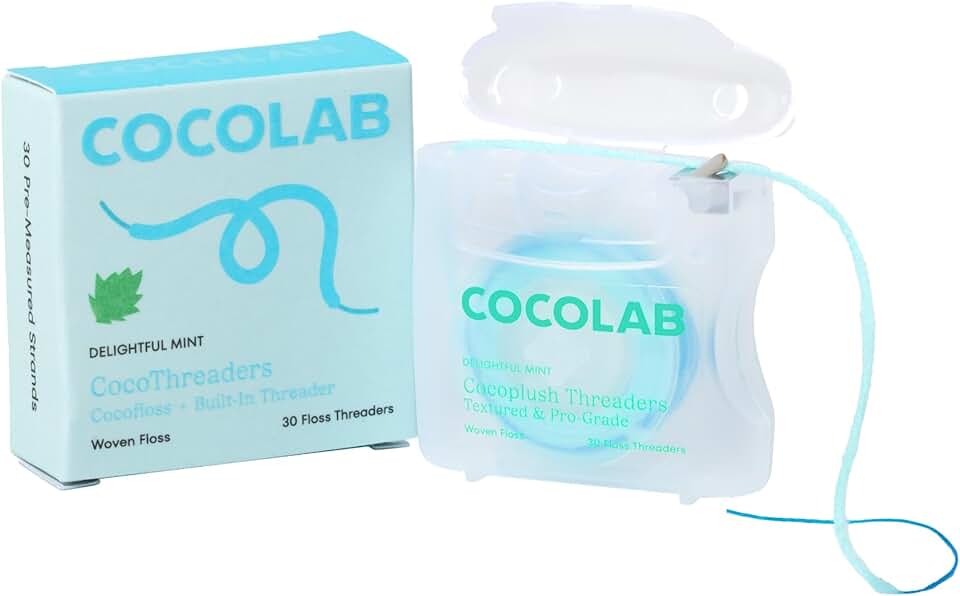
Expanding woven floss designed for braces, implants, and bridges · Infused with coconut oil for a smoother glide · Built-in threader for easy insertion
CocoPlush floss threaders simplify the process of getting floss under and around braces, while the coconut oil infusion adds a comfortable element.

Specially designed floss picks for braces · Features Tuffloss® for durability · Includes FlipPick® for cleaning between brackets
Plackers OrthoPick floss picks provide a convenient and effective solution for cleaning around braces, with features designed to tackle the challenges of orthodontic appliances.
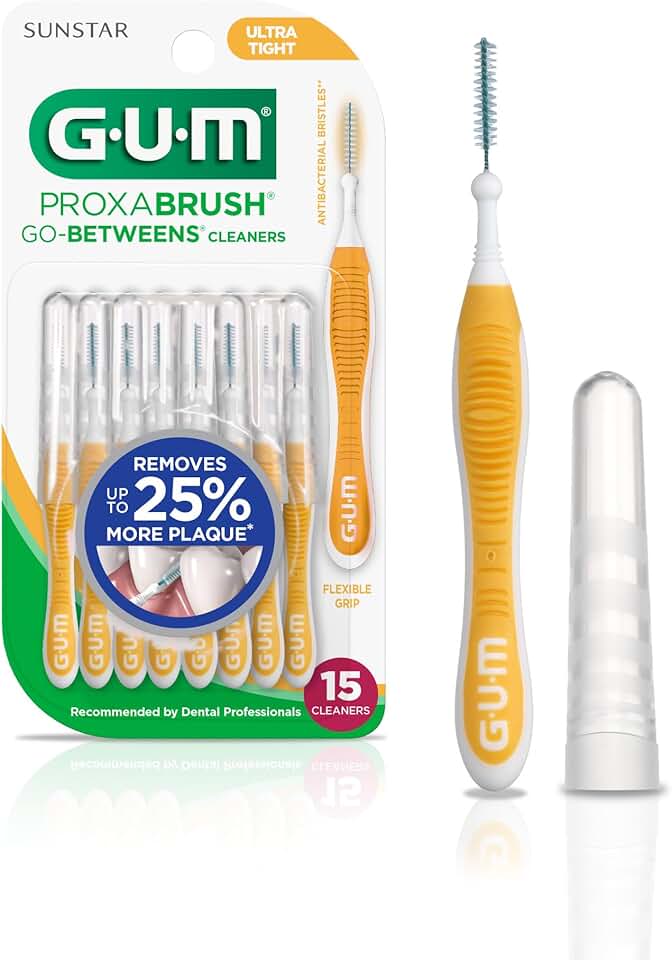
Ultra-tight interdental brushes · Soft bristles for gentle plaque removal · Designed to be safe for braces and dental devices
These interdental brushes are ideal for cleaning tight spaces between braces and teeth, effectively removing plaque where traditional floss may struggle.

Satin-like tape floss for comfortable cleaning · Mint flavor for fresh breath · Designed to slide easily between teeth
Oral-B Satin Tape floss offers a comfortable and effective way to clean between teeth, and its tape design can be easier to maneuver around braces than traditional string floss.
As an Amazon Associate I earn from qualifying purchases. Prices may vary.
Troubleshooting: Pain, Bleeding, and Breakage
It’s common to experience some discomfort or bleeding when you first start flossing with braces. Your gums may be sensitive, and it takes time for them to adjust. However, persistent pain or excessive bleeding is a sign that something isn’t right. If you experience either of these, stop flossing and consult your dentist.
Floss breakage is another common issue. This often happens when floss gets caught on a bracket or wire. If this happens, gently remove the broken piece and try again with a fresh section of floss. Using a stronger floss, like Oral-B Glide, can help prevent breakage. If you're consistently breaking floss, consider using a water flosser or interdental brushes as a supplement.
Remember, healthy gums are essential for successful orthodontic treatment. Gum disease can delay your treatment and even lead to tooth loss. Don’t let fear or discomfort prevent you from flossing. If you’re struggling, reach out to your dentist or hygienist for help. They can provide personalized guidance and ensure you’re using the correct technique.


No comments yet. Be the first to share your thoughts!