

What to expect on placement day
Getting braces placed is a quick, painless procedure, but the real adjustment begins once you leave the orthodontist’s office. The appointment itself is straightforward, but as your teeth begin to shift under the pressure of the new wires, you will likely feel soreness. This discomfort is a normal part of the alignment process, not a sign that something is wrong.
During the first 24 hours, your teeth may feel tender to the touch or when chewing. This sensitivity typically peaks within the first few days before gradually subsiding. Your mouth also needs time to adjust to the new hardware, which can cause minor irritation on the inside of your lips and cheeks. Over time, the soft tissue in your mouth toughens up, and the brackets and wires will stop bothering you.
By day three or four, most people start getting used to their braces. While some discomfort may linger, it should be significantly reduced by day five. Within a week, you should be able to eat normally again without pain. In the meantime, sticking to soft foods and using salt water rinses can help manage irritation as your mouth adapts to the new routine.
Managing soreness and irritation
The initial days with braces are the most challenging part of the adjustment period. Your teeth will feel tender, and the brackets may rub against your cheeks and lips. This discomfort is normal as your mouth begins to toughen up, but it does not mean you have to endure it in silence.
Focus on protecting your mucosa and managing pain through simple, immediate actions. The goal is to get through the peak discomfort window—typically days one through three—so you can settle into a new normal by the end of the week.
Soothe sore gums and teeth
Cold acts as a natural anesthetic for inflamed gums. Eating cold foods like ice cream, smoothies, or applesauce can numb the area and reduce swelling. Cold water is also effective for keeping the mouth cool after brushing. Avoid hot foods during the first 24 hours, as heat can increase inflammation and sensitivity in the newly adjusted teeth.
Callout: Cold foods like ice cream or smoothies can act as natural numbing agents for sore gums.
Protect your mouth from friction
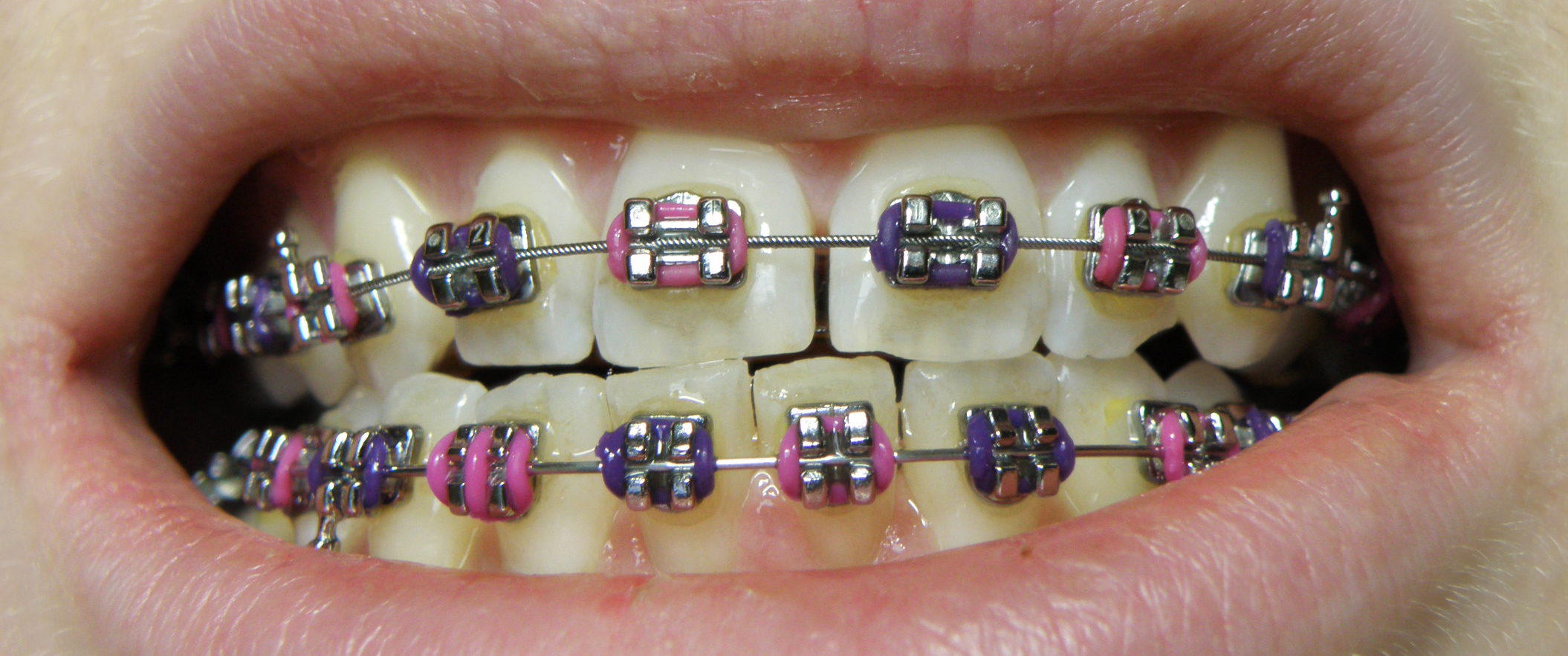
Brackets and wires can create friction points that lead to ulcers. Use orthodontic wax to cover any sharp edges or protruding wires. To apply the wax, dry the bracket with a tissue, roll a small piece of wax into a ball, and press it firmly over the irritating area. This creates a smooth barrier between the metal and your soft tissue.
Saltwater rinses are another essential tool for healing. Mix half a teaspoon of salt in a cup of warm water and swish it around your mouth for 30 seconds before spitting it out. This helps clean any small sores and reduces inflammation in the irritated areas. Repeat this process several times a day, especially after meals.
Use over-the-counter pain relief
If the soreness becomes distracting, over-the-counter pain relievers like ibuprofen or acetaminophen can help. Ibuprofen is particularly effective because it reduces both pain and inflammation. Always follow the dosage instructions on the label and consult your orthodontist if you have any underlying health conditions or allergies.
Remember that this discomfort is temporary. By day three or four, the sharpness of the pain usually subsides into a dull ache. Your mouth will continue to adapt, and the irritation will lessen as your lips and cheeks toughen up. Stick to soft foods and maintain good hygiene to speed up the process.
What to eat when your teeth are tender
The first few days after getting braces are the most uncomfortable. Your teeth feel sore, and the brackets and wires are new, unfamiliar objects in your mouth. During this acclimation period, the goal is to protect your investment by avoiding damage to the brackets while minimizing chewing pain. Think of this week as a brief, necessary adjustment phase; your mouth will toughen up quickly, and the irritation will fade.
Safe foods for the first week
Stick to soft, easy-to-chew foods that require minimal effort. Hard, chewy, crunchy, or sticky foods can loosen, bend, or break your brackets and wires. Avoid foods like hard candy, nuts, popcorn, and chewy breads. Instead, focus on:
- Soft carbohydrates: Mashed potatoes, oatmeal, pasta, and seedless bread are gentle on tender teeth.
- Dairy and alternatives: Yogurt, pudding, and soft cheeses provide nutrition without the need for aggressive chewing.
- Smoothies and soups: Cold drinks and blended foods can soothe sore gums while keeping you hydrated and fed.
Foods to avoid completely
Certain textures are dangerous for new braces. Sticky foods like caramel or taffy can pull brackets off entirely. Crunchy items like chips or raw carrots can bend wires or dislodge attachments. Even seemingly soft foods like crusty baguettes or tough steaks can cause significant pain and damage during this sensitive first week. Wait until your teeth feel normal before reintroducing these textures.
A simple survival checklist
Keep these staples on hand to ensure you have safe options ready at all times. This prevents the temptation to reach for unsafe foods when hunger strikes.
-
Broth and soft soups
-
Applesauce and smoothies
-
Oatmeal and porridge
-
Pasta and mashed potatoes
-
Soft cheeses and yogurt
Keep your braces clean
Your new hardware changes how food and plaque behave in your mouth. Brackets and wires create hidden pockets where debris collects quickly. Without a shift in routine, you risk white spots on your enamel or gum inflammation before your teeth even start moving.
Rinse with salt water to soothe the irritation. Mix half a teaspoon of salt in a cup of warm water and swish for thirty seconds after meals. This simple rinse reduces inflammation and flushes out particles that your toothbrush might miss, especially when your cheeks and lips are still tender.
Brush gently but thoroughly. Use a soft-bristled toothbrush and angle the bristles at forty-five degrees toward the gumline. Spend extra time around each bracket, cleaning above, below, and behind them. If you have an interdental brush, use it to clear the space under the archwire. Avoid aggressive scrubbing, which can irritate already sensitive gums.
Flossing becomes a puzzle you must solve daily. Thread a floss threader under the wire or use a water flosser to blast out trapped food. Consistency matters more than speed. A quick, incomplete clean leaves behind the very plaque that causes decay.
When to call your orthodontist
Most soreness after getting braces fades within three to five days. This discomfort is a normal sign that your teeth are beginning to shift into their new positions. If the pain is manageable with over-the-counter medication and soft foods, you likely do not need to contact your provider.
However, some symptoms indicate a mechanical issue that requires professional attention. A loose bracket or a wire that has slipped out of place can irritate your cheeks and gums, preventing proper alignment. These issues will not resolve on their own and can cause significant discomfort if left unaddressed.
Seek immediate care if you experience persistent bleeding that does not stop after applying gentle pressure, or if you notice signs of infection such as fever or swelling. A broken wire poking into your mouth is another common reason to schedule a visit. Your orthodontist can trim or replace the wire quickly, providing immediate relief and keeping your treatment on track.
No comments yet. Be the first to share your thoughts!