

What to expect day one
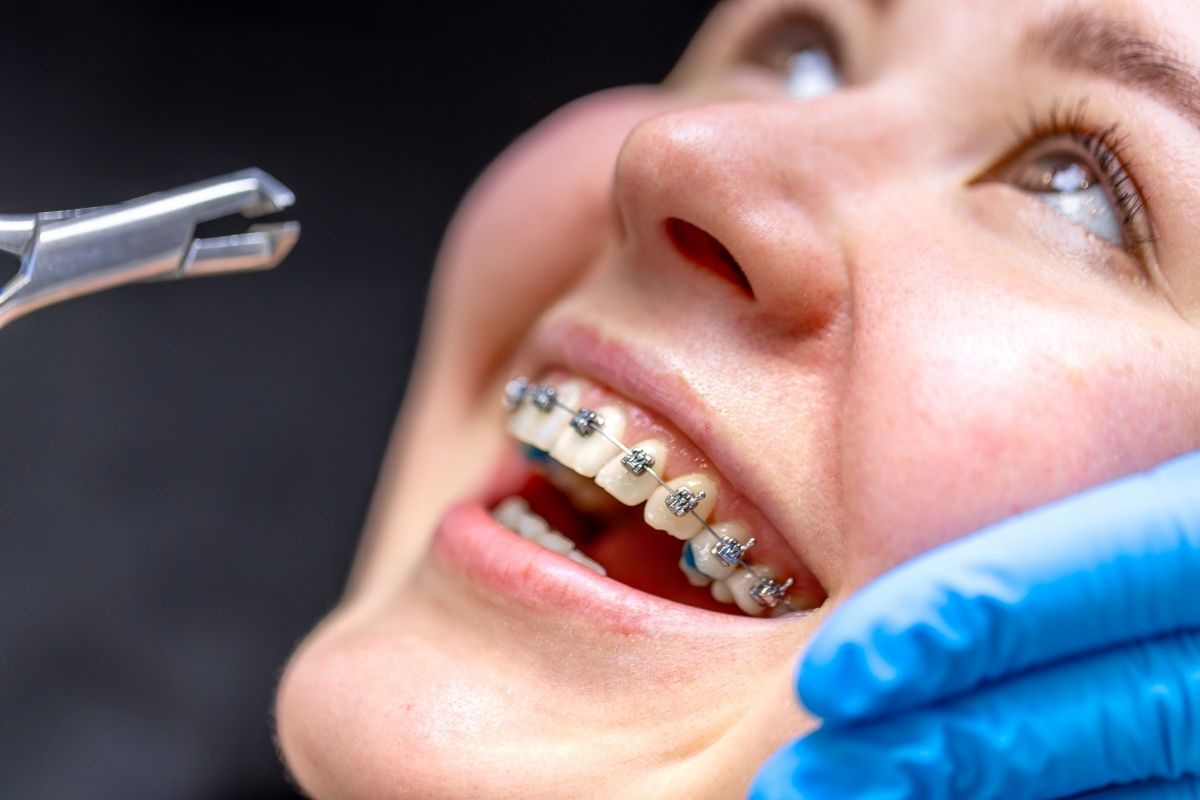
Your orthodontist has just finished bonding the brackets to your teeth. The procedure itself is painless, but the immediate aftermath is where the reality of braces sets in. For the first 24 hours, you are adjusting to the physical presence of hardware in your mouth. This section covers what to expect during that initial bonding period so you can manage discomfort and protect your investment.
The bonding agent and initial sensation
The brackets are attached using a dental adhesive, often called a bonding agent. This resin is hardened with a special curing light, creating a strong mechanical bond between the metal bracket and your enamel. While the glue itself is inert, your teeth and gums will react to the pressure and the new object in your mouth.
You may notice a strange taste or texture from the curing light and the bonding material. This is normal and will fade as you rinse and eat. The primary sensation is not sharp pain, but rather a dull ache and significant pressure. This is because the brackets are now fixed points on your teeth, and your periodontal ligaments are beginning to respond to the orthodontic forces. This ache is the first sign that your teeth are starting to move.
Managing the first 24 hours
The most critical part of day one is managing the transition from straight teeth to braced teeth. Your teeth will feel tender to touch and when chewing. This tenderness is similar to the feeling you get after a deep dental cleaning, but more intense because the force is constant.
- Stick to soft foods: Avoid anything chewy, crunchy, or hard. Yoghurt, smoothies, mashed potatoes, and lukewarm soup are safe bets. Hot foods may increase sensitivity, so let them cool slightly.
- Use orthodontic wax: If the brackets or wires irritate your cheeks or gums, apply orthodontic wax. Dry the bracket with a tissue, roll a small piece of wax into a ball, and press it over the offending area. This creates a smooth barrier.
- Take pain relief: Over-the-counter pain relievers like ibuprofen or acetaminophen can help manage the ache. Follow the dosage instructions on the label.
The first day is mostly about adaptation. Your tongue will try to explore the new landscape, which can make speaking slightly difficult. This slurring or lisping is temporary and will resolve as you get used to the hardware. Focus on hydration and gentle oral hygiene to keep your mouth comfortable.
Manage soreness and pain
Your teeth will feel tender and achy within the first 24 to 48 hours after braces are installed. This soreness is a normal sign that the braces are applying pressure to shift your teeth into alignment. While uncomfortable, this pain is manageable with a few simple strategies.
Take over-the-counter pain relievers
Non-prescription pain medication can help reduce inflammation and discomfort. Acetaminophen or ibuprofen are effective options for most patients. Follow the dosage instructions on the package or those provided by your orthodontist. Avoid aspirin if you are under 18, as it can cause other health issues.
Apply orthodontic wax
Brackets and wires often rub against your inner cheeks and lips, causing irritation and sores. Orthodontic wax acts as a protective barrier. To use it, dry the bracket with a tissue, roll a small piece of wax into a ball, and press it firmly over the irritating area. This creates a smooth surface that prevents friction.
Dry the bracket thoroughly with a tissue or cotton swab. Roll a pea-sized piece of wax into a smooth ball. Press it firmly over the bracket or wire that is causing irritation. Reapply as needed, especially after eating or brushing.
Stick to soft foods
Chewing hard or crunchy foods can increase pain and potentially damage your new braces. For the first week, choose soft options like yogurt, mashed potatoes, smoothies, and soup. These foods require minimal chewing effort, allowing your teeth to rest while they begin to move. Avoid sticky candies and nuts, which can get stuck in the brackets and cause additional soreness.
Use cold compresses
If your lips or cheeks feel swollen or hot, apply a cold compress to the outside of your face for 15 minutes at a time. The cold helps numb the area and reduce swelling. You can also sip on cold water or eat cold treats like ice cream or smoothies, which provide temporary relief from tenderness.
Week One Diet Rules
Your first week with braces is less about what you can eat and more about what you must avoid. The brackets and wires are new to your mouth, and the surrounding tissues are adjusting to constant pressure. Eating the wrong textures can bend wires, pop brackets, or cause unnecessary pain. Think of your first week as a soft-food detox: prioritize items that require minimal chewing to let your gums heal and your teeth settle.
Stick to Soft, Easy-to-Chew Foods
Focus on foods that are naturally soft or can be easily mashed. These reduce the force your back teeth need to exert, which is crucial when they are sore from the initial tightening. Good options include yogurt, mashed potatoes, smoothies (without hard fruit chunks), oatmeal, scrambled eggs, and well-cooked pasta. These foods provide necessary calories without risking damage to your new hardware.
Avoid Hard, Crunchy, and Chewy Textures
Hard foods like nuts, hard candy, and raw carrots can break brackets off your teeth. Crunchy items like chips or popcorn kernels can get lodged under the wires, causing irritation and making cleaning nearly impossible. Chewy foods like bagels, steak, or gummy candies can bend the archwire, disrupting your treatment plan. Stick to tender proteins like ground meat, fish, or tofu until the tenderness subsides.
Watch the Temperature
Extreme temperatures can trigger sensitivity in teeth that are already shifting. Very hot soups or coffee might cause sharp pain, while ice cream or cold drinks can be soothing but should be consumed in moderation if you have lingering sensitivity. Lukewarm or room-temperature meals are often the most comfortable choice during these first few days.
-
Yogurt and pudding
-
Mashed potatoes and sweet potatoes
-
Oatmeal and cream of wheat
-
Scrambled eggs and tofu
-
Well-cooked pasta and rice
-
Smoothies (no seeds or chunks)
-
Applesauce and mashed bananas
Clean around brackets to prevent decay
Proper cleaning is the single most important habit you will develop during your first week of braces. Food particles trap easily against brackets and wires, creating an environment where plaque hardens into tartar within hours. If left unchecked, this leads to decalcification—permanent white spots on your enamel that signal early decay. The American Association of Orthodontists emphasizes that consistent, thorough cleaning prevents these permanent marks and keeps your gums healthy.
You will need an electric toothbrush, a fluoride toothpaste, and an interdental brush or water flosser. Standard brushing techniques leave debris behind brackets, so you must adjust your approach. Treat your braces like a puzzle: you are cleaning around obstacles, not just across a flat surface. Spend at least two minutes, twice a day, ensuring every surface is free of plaque.
Position your toothbrush bristles at a 45-degree angle against the bracket, pointing toward the gumline. This angle allows the bristles to sweep under the wire and around the base of the bracket where plaque accumulates most. Use gentle, circular motions rather than harsh scrubbing, which can damage your gums and loosen brackets.
After addressing the front and back of each tooth, move to the chewing surfaces. Hold the brush perpendicular to your teeth and use a back-and-forth scrubbing motion. These areas trap food particles from your diet, so ensure you reach the deep grooves between the molars. This step is often skipped but is critical for preventing cavities in hard-to-reach areas.
Traditional flossing is difficult with braces, but it is non-negotiable for gum health. Use a floss threader to slide the floss under the wire, or switch to a water flosser for a more effective clean. Aim the water flosser tip at a 90-degree angle to the gumline, pausing between each tooth to flush out debris. This removes particles that brushing alone cannot reach.
Run your tongue over your teeth after brushing. If you feel any roughness or trapped food, repeat the cleaning process on that specific area. Use a mirror to check for white spots or redness around the brackets. If you notice persistent irritation or visible plaque buildup, consult your orthodontist for a demonstration of proper technique.
Troubleshooting loose wires and brackets
The first week of braces often brings unexpected mechanical hiccups. A poking wire or a loose bracket can turn a manageable adjustment period into a source of significant pain. Distinguishing between a minor annoyance and a true emergency is the first step in resolving the issue without panic.
Poking wires
A wire that has shifted can dig into your cheek or gum, causing sharp irritation. This is common as your teeth begin to move and the wire settles into its new position.
Immediate steps:
- Use a clean cotton swab or pencil eraser to gently push the wire back into place.
- If the wire remains stubborn, cover the end with orthodontic wax to create a smooth barrier.
- Do not cut the wire yourself unless directed by your orthodontist, as this can compromise treatment progress.
Loose brackets
If a bracket feels loose but remains attached to the archwire, it may still be functional. However, a completely detached bracket on one side can cause the wire to slide unevenly, creating pressure points.
Immediate steps:
- Check if the bracket is still connected to the wire. If it is, leave it alone and monitor it.
- If the bracket has come off entirely, save it and call your orthodontist.
- Avoid chewing on the affected side to prevent further damage to the remaining appliances.
For most minor adjustments, wax and gentle manipulation are sufficient. However, persistent mechanical issues can delay your treatment timeline. Regular check-ins ensure that small problems don't become major setbacks.
First week braces FAQ
Adjusting to braces is a physical and mental shift. The first seven days are the most critical for establishing new habits around eating and speaking. The following answers address the most common concerns patients face immediately after their braces are bonded.
No comments yet. Be the first to share your thoughts!