

Stock your pantry for the first week
The day you get braces is not the day for cooking. Your teeth will be tender, and your jaw may feel stiff. The American Association of Orthodontists recommends sticking to soft foods immediately after your appointment to avoid unnecessary pain. You can prepare for this by stocking your kitchen with items that require zero chewing or minimal effort.
Start with proteins that are easy to swallow. Yogurt, pudding, and soft cheeses provide essential calcium and protein without irritating your gums. Soft dairy options are particularly gentle on sore teeth after adjustments. You can also keep canned beans or lentils on hand; just rinse them well and mash them slightly for a quick, fiber-rich meal.
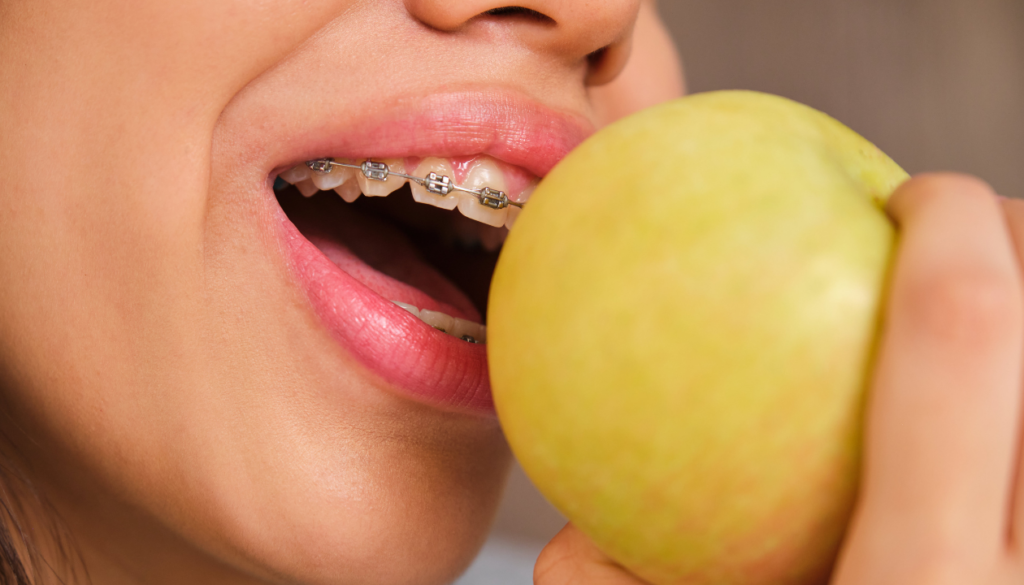
Carbohydrates should be soft and moist. Mashed potatoes, oatmeal, and well-cooked pasta are reliable staples. Avoid anything crunchy or sticky. Bread crusts, raw vegetables, and nuts can damage brackets or get stuck in wires. Keep smoothies, soups, and scrambled eggs in your rotation for the first few days.
Here is a quick checklist of pantry staples to buy before your appointment:
- Yogurt and pudding cups
- Mashed potatoes (instant or fresh)
- Soft cheeses (cream cheese, mozzarella)
- Canned beans and lentils
- Oatmeal and cream of wheat
- Smoothie ingredients (bananas, berries, milk)
- Scrambled eggs and soft tortillas
Eat soft foods to manage soreness
Your teeth will feel tender for the first few days after braces are placed. This soreness is normal and signals that your braces are working to shift your teeth into place. The most effective way to handle this discomfort is to switch to a soft-food diet immediately.
Cold and soft textures are your best allies right now. Cold foods help numb sore gums and reduce inflammation, while soft foods require minimal chewing, preventing pressure on your teeth. Stick to foods that melt or mash easily. Avoid anything crunchy, chewy, or hard that could damage brackets or cause pain.
Focus on these safe, soothing options for the first 3–5 days:
- Dairy: Yogurt, pudding, and soft cheeses provide protein and calcium without requiring chewing. Greek yogurt is particularly filling.
- Smoothies and shakes: Blend fruits with yogurt or milk for a nutrient-dense meal. Skip added crunchy toppings like granola.
- Mashed potatoes: A classic comfort food that is gentle on sensitive teeth. Avoid chunky varieties with skin or large potato pieces.
- Scrambled eggs: Soft, fluffy, and packed with protein. Cook them until just set to keep the texture tender.
- Oatmeal and porridge: Warm, soft grains are easy to swallow. Let them cool slightly to avoid burning sensitive gums.
- Steamed vegetables: Cook carrots, broccoli, and squash until very soft. Avoid raw, crunchy veggies like whole carrots or apples.
- Soft fruits: Melons, bananas, and canned peaches are easy to eat. Avoid hard fruits like raw apples or pears.
These foods keep you nourished while your mouth adjusts. As soreness decreases over the next week, you can gradually reintroduce firmer foods, but continue to avoid hard, sticky, or chewy items that threaten your braces.
Cut hard foods into small pieces
You do not need to give up crunchy fruits and vegetables entirely. The goal is to change how you prepare them so they do not exert enough force to bend wires or pop brackets loose. Whole apples and raw carrots are the most common culprits for breaking braces because they require a forceful bite that your teeth simply cannot handle safely right now.
Follow this three-step process to enjoy firm produce without the risk of an emergency orthodontic visit.
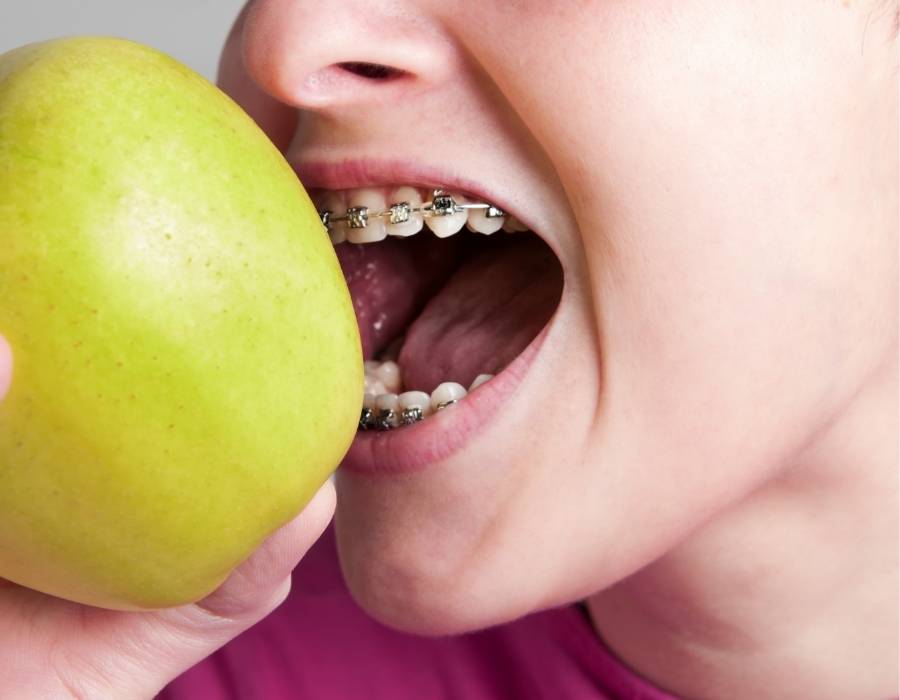
Use a sharp knife to cut apples, pears, and raw carrots into bite-sized cubes or thin slices. Aim for pieces that are no larger than half an inch. This reduces the surface area your teeth must cover, allowing you to chew with your back molars rather than biting down with your front teeth where the brackets are most vulnerable.
When eating these smaller pieces, consciously push the food to the back of your mouth. Your back molars are stronger and further away from the delicate front brackets. Avoid using your front teeth to tear or crush any food, even small pieces, as this is the primary way brackets get dislodged.
If slicing still feels risky, soften the food further by steaming or roasting. Cooked carrots and soft-baked apple slices are much easier to manage. This method preserves the nutrition and flavor of the vegetable while removing the hard, brittle texture that causes damage.
By modifying the preparation method, you keep your braces intact while maintaining a healthy diet. Stick to these small, manageable pieces during your first few weeks until your teeth adjust to the pressure.
Foods to Avoid with Braces
Certain textures can damage your braces or trap food, leading to discomfort and potential repairs. Focus on avoiding sticky, crunchy, and hard items during your first week and beyond.
Sticky and Chewy Foods
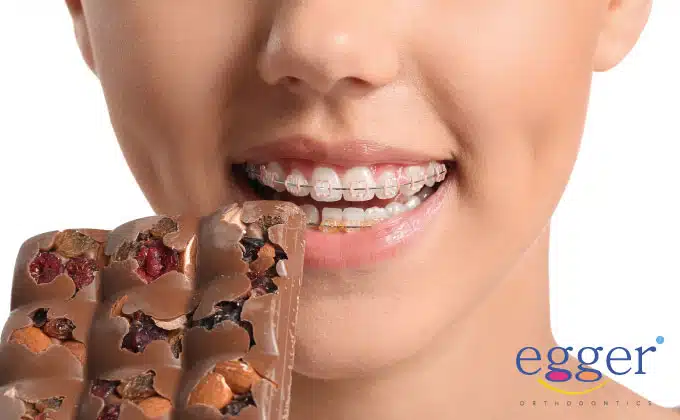
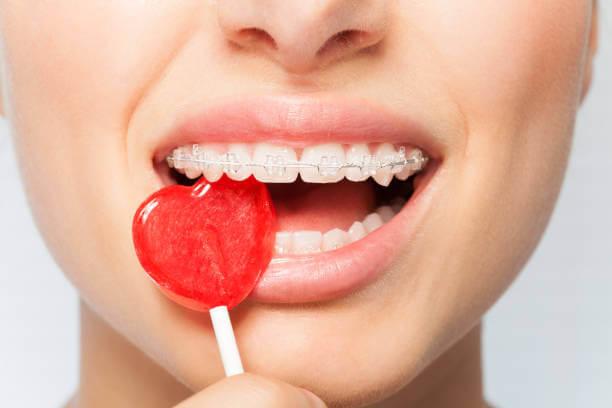
Sticky foods adhere to brackets and wires, making them difficult to clean and increasing the risk of detachment. Avoid caramel, taffy, gum, and chewy candies. These substances pull on your braces when you bite, potentially bending wires or popping brackets loose.
Crunchy and Hard Snacks
Hard foods require significant biting force, which can break brackets or snap wires. Steer clear of hard candies, nuts, popcorn, and raw carrots. Even seemingly soft items like crusty bread or hard tacos can cause damage if bitten directly. Cut harder fruits and vegetables into small, manageable pieces to eat safely.
Comparison of Safe vs. Unsafe Snacks
| Food Type | Unsafe Options | Safe Alternatives |
|---|---|---|
| Candy | Caramel, Taffy, Gummies | Fruit snacks, Soft chocolates |
| Snacks | Popcorn, Chips, Nuts | Yogurt, Applesauce, Hummus |
| Fruits | Whole Apples, Berries with seeds | Mashed bananas, Stewed pears |
| Breads | Bagels, Crusty rolls | Soft tortillas, Pancakes |
Choosing the right snacks protects your investment and keeps your treatment on track. Stick to soft, easy-to-chew foods to minimize risk.
Floss with braces using a threader
Flossing with braces requires a bit more patience than before, but it is the only way to keep your gums healthy. Food gets trapped under the archwire and around the brackets, creating a breeding ground for plaque. If you skip this step, you risk white spots on your teeth and gum inflammation that can prolong your treatment.
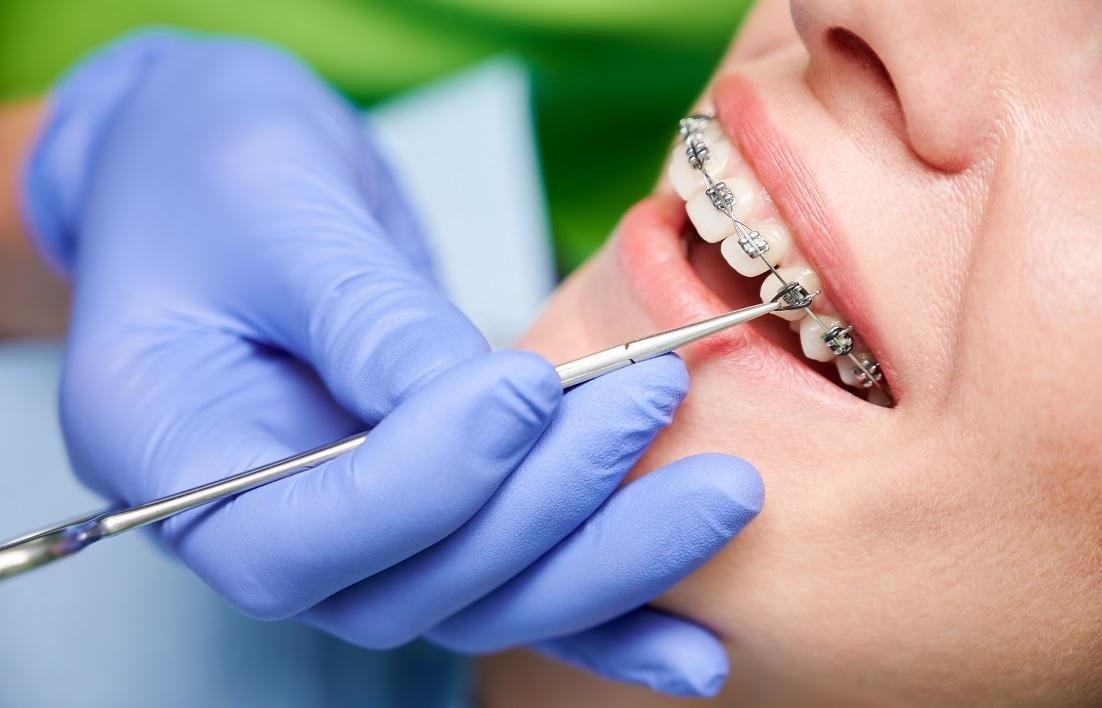
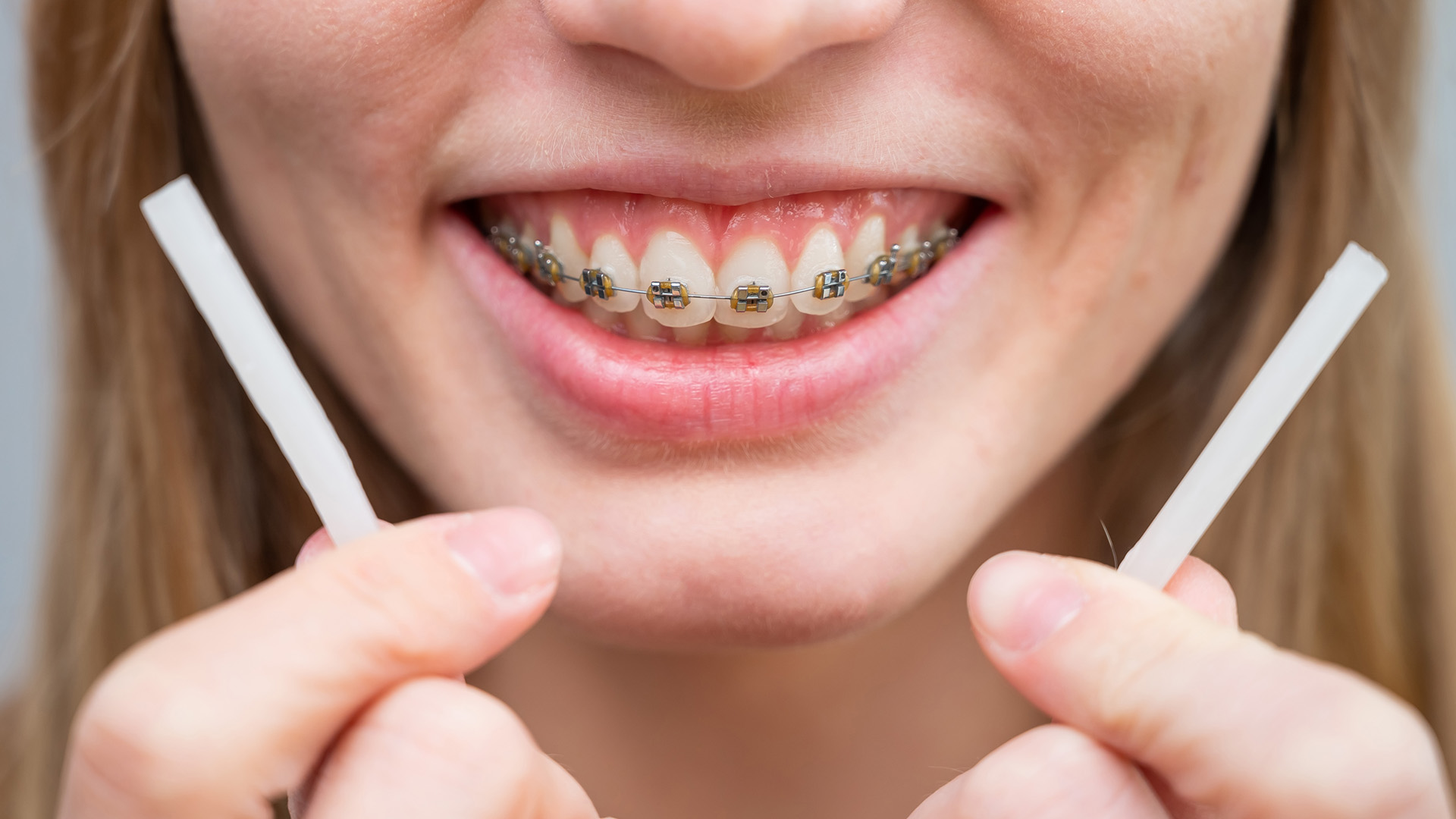
A floss threader is a simple tool that looks like a plastic needle with a loop on one end. It allows you to slide standard floss under the wire so you can clean between your teeth just like you did without braces. Here is how to do it effectively.
Consistency is key here. Aim to floss at least once a day, preferably before bed. This routine removes debris that your toothbrush simply cannot reach. If you find the process tedious, consider using a water flosser as a supplementary tool, but never as a replacement for traditional flossing.
Clean brackets after every meal
Food gets trapped under wires and around brackets almost immediately after you eat. If you leave it there, plaque hardens into tartar within hours, leading to white spots on your enamel that won’t go away once your braces come off. Cleaning isn’t just about rinsing; it’s about mechanical removal of debris.
Follow this sequence after every meal or snack:
- Rinse first. Swish water vigorously to dislodge loose particles. This prevents your brush from pushing large chunks into tight spaces.
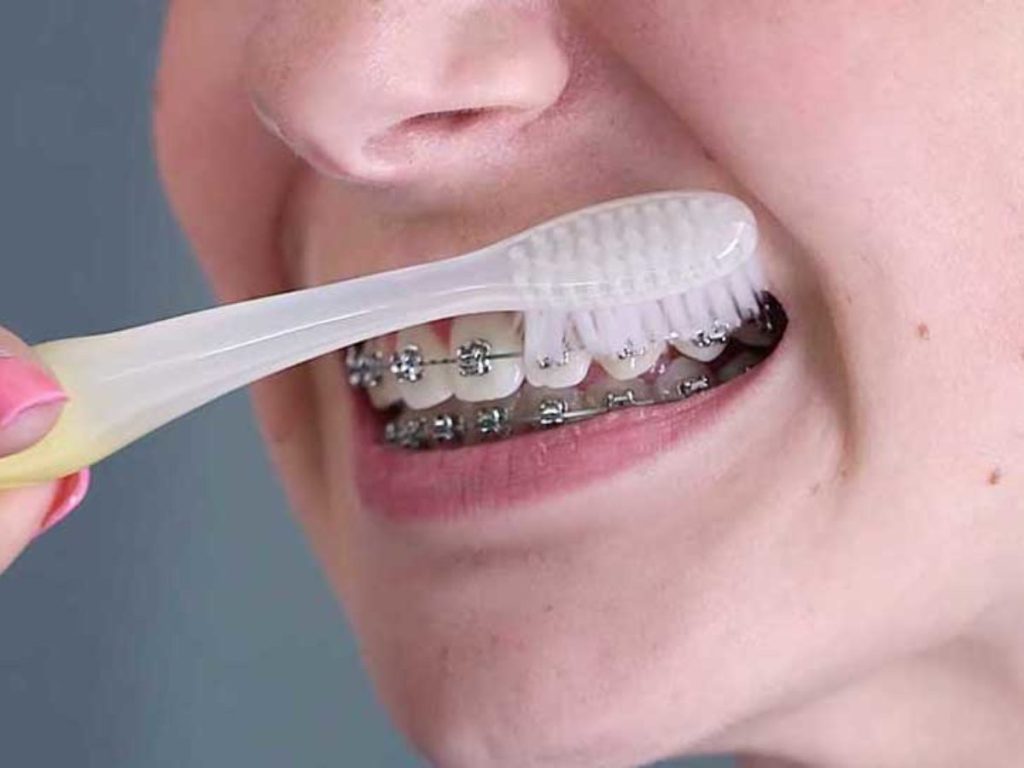
- Brush thoroughly. Use a soft-bristled brush at a 45-degree angle toward the gumline. Spend extra time around the brackets, angling the bristles both above and below the wire. Don’t rush; two minutes is the minimum.
- Floss daily. Brushing misses the sides of teeth where brackets meet the enamel. Use floss threaders or a water flosser to clean under the wire. Plaque buildup here causes gum inflammation, which can delay treatment.
- Rinse again. Swish with water or an alcohol-free mouthwash to wash away dislodged debris and fluoride residue.
If you can’t brush immediately, rinse with water and chew sugar-free xylitol gum. Xylitol helps neutralize acids and stimulates saliva, which naturally cleanses the mouth. However, this is a temporary fix, not a replacement for proper brushing and flossing.
Consistency matters more than perfection. Even if you’re tired after a long day, take the extra three minutes to clean your braces. Your future self will thank you when your teeth are straight and stain-free.
Common questions about eating with braces
Managing what you eat during your first week of braces is mostly about timing and texture. Your teeth will feel tender after adjustments, so sticking to soft foods prevents pain and protects your new hardware.
Is soreness normal after getting braces?
Yes. Mild soreness for a few hours or days is normal and a sign that your braces are working. Start with soft foods like smoothies, pastas, rice, and mashed potatoes to minimize discomfort while your teeth adjust.
What should I eat right after tightening?
Go soft immediately after tightening. Opt for easy-to-chew options like yogurts, smoothies, and oatmeal. These foods require less pressure, allowing your teeth to rest while the wires begin their work.
Can braces break if I eat hard food?
Hard foods can break brackets or bend wires, leading to costly repairs. Avoid nuts, hard candies, and raw carrots. Chew carefully and cut food into small pieces to keep your braces intact.
No comments yet. Be the first to share your thoughts!