

What to expect during your first week
The first week with braces is less about the initial placement and more about the days that follow. While having the brackets and wires attached is generally painless, the real adjustment begins as your teeth start to move under constant pressure. Most patients report that soreness peaks between days two and three before gradually subsiding. Understanding this timeline helps reduce anxiety and allows you to plan for a smoother recovery.
Days 1-2: Initial Pressure
On the first day, your mouth may feel strange as it adjusts to the new hardware. The braces themselves do not cause pain, but the teeth will begin to shift immediately. You might notice a dull ache or sensitivity when biting down. This is normal. Stick to soft foods like yogurt, mashed potatoes, and smoothies to avoid aggravating your teeth. The discomfort is manageable and serves as a sign that your orthodontic treatment is working.
Days 3-4: Peak Soreness
Days two and three are typically the most tender. Many patients find that even gentle pressure from a toothbrush or eating soft foods feels uncomfortable. This is the peak of the adjustment period. Over-the-counter pain relievers can help, and cold foods like ice cream may provide temporary relief. Don't be alarmed if you feel more soreness than expected; this is the most common phase of the first week.
Days 5-7: Gradual Improvement
By day five, most people feel significantly better. The initial sharp soreness fades into a dull pressure, and your mouth starts to get used to the braces. Eating becomes easier, though you should still avoid hard, sticky, or chewy foods that could damage the brackets. By the end of the week, you should feel relatively normal, and the acute discomfort will likely be gone. This marks the end of the hardest part of the adjustment process.
Managing soreness and discomfort
The first few days with braces are the hardest. Your teeth will feel tender, and your mouth may be sore from the pressure. This discomfort is normal and temporary. Most people find that days two and three are the most tender, with relief starting by day four or five.
Here is how to get through the initial phase with minimal pain.

Wait until the local anesthesia from your appointment starts to fade, then take an over-the-counter pain reliever like ibuprofen or acetaminophen. Catching the soreness early prevents it from becoming overwhelming. Continue taking these medications as needed for the first 48 hours.
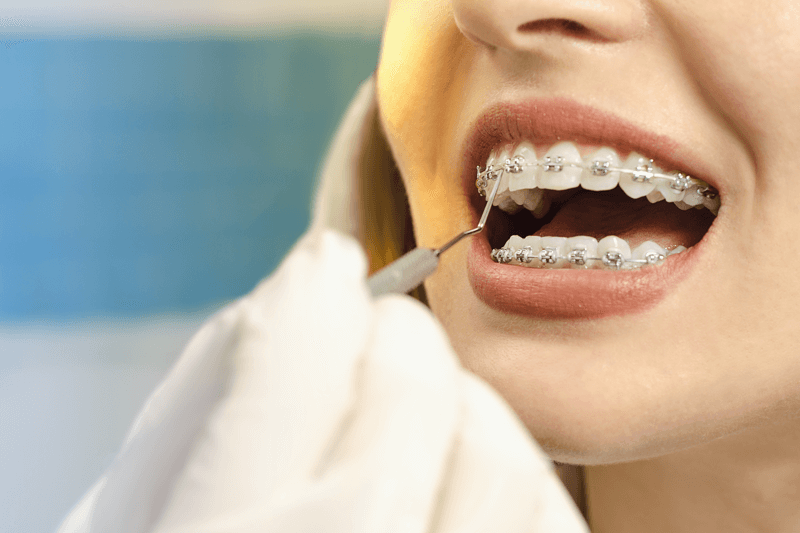
Apply an ice pack to the outside of your cheeks for 15 minutes at a time. Cold also helps with internal swelling. Drinking ice water or eating cold, soft foods like yogurt, pudding, or smoothies provides internal relief. The cold numbs the gums and reduces the throbbing sensation.

Mix one teaspoon of salt in a glass of warm water and rinse your mouth for 30 seconds. This soothes irritated gums and keeps the area clean. Do this two to three times a day, especially after eating. It helps reduce inflammation and speeds up healing of any minor sores caused by the brackets.
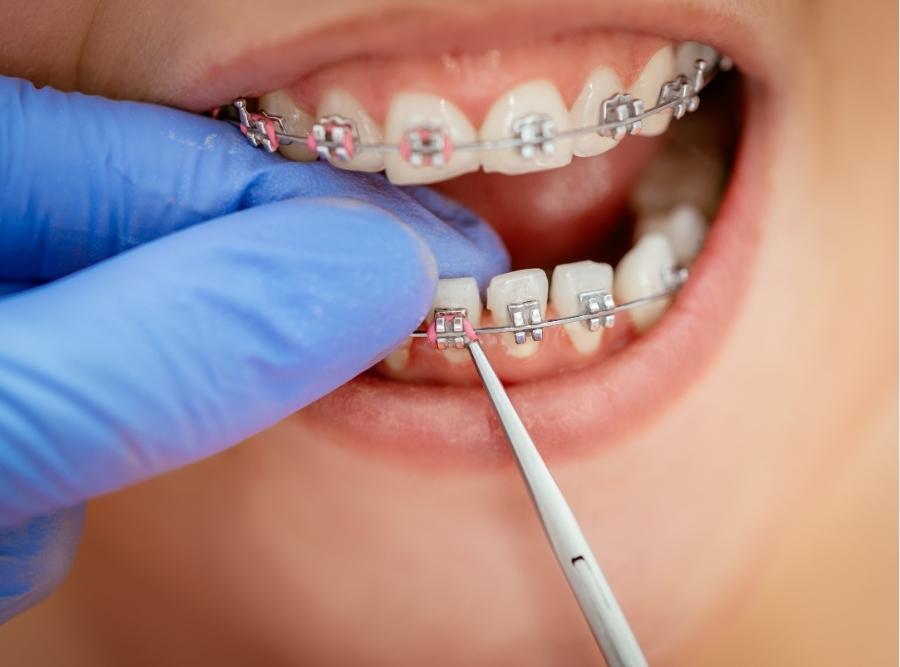
Avoid hard, crunchy, or chewy foods that put pressure on your teeth. Stick to mashed potatoes, applesauce, scrambled eggs, and soups. Chewing harder foods can aggravate the soreness and potentially damage the new braces. Let your teeth rest while they adjust to the wires.
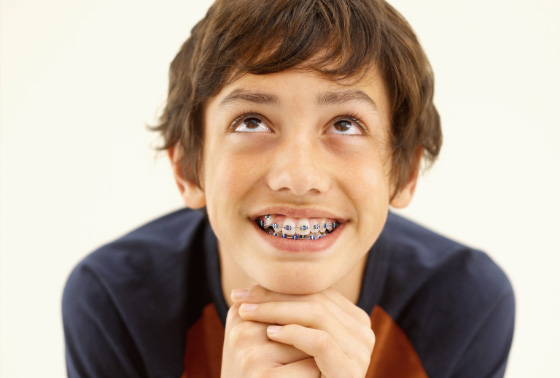
If the brackets or wires are rubbing against your cheeks or lips, dry the area with a tissue and apply a small piece of orthodontic wax. This creates a smooth barrier that prevents painful sores. Reapply wax after eating or brushing. Most braces kits include wax, or you can buy it at any pharmacy.
Remember that this phase is temporary. As your mouth gets used to the braces, the discomfort after adjustments becomes less severe and shorter. By the end of the first week, you should feel significantly better and ready to tackle the next stage of your orthodontic journey.
Safe foods and drinks to eat
Your teeth and gums will feel tender for the first few days, making chewing uncomfortable. The goal is to protect your new brackets and wires from damage while keeping your energy levels up. Think of this week as a reset button for your diet; stick to soft, cool items that require minimal effort to eat.
Cold foods and drinks can help numb the soreness. Icy water, smoothies, and frozen yogurt provide relief alongside nutrition. Avoid anything sticky, chewy, or hard, as these can pop brackets off or bend wires. If it requires significant chewing force, wait until your mouth heals.
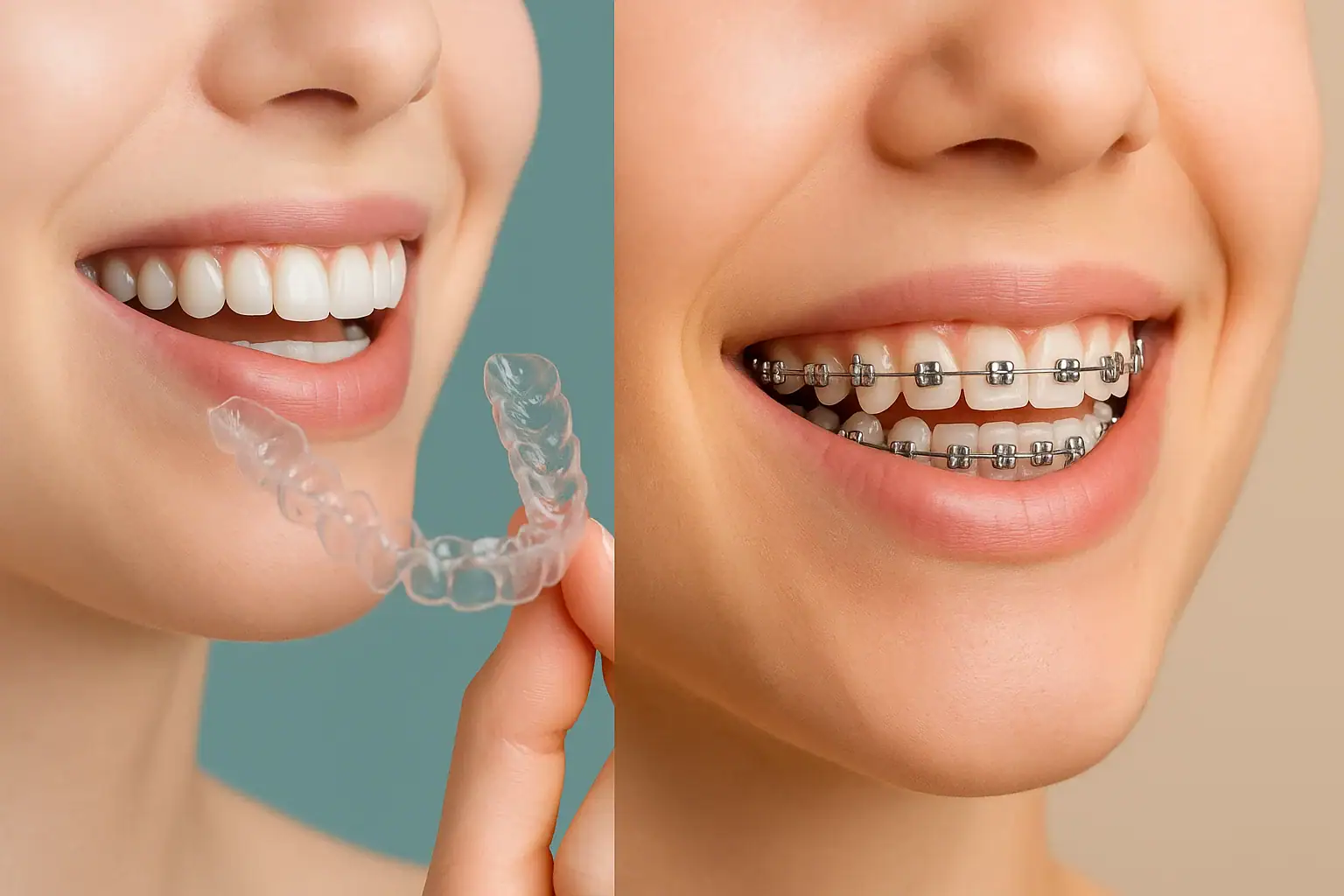
Soft food recommendations
-
Mashed potatoes
A filling staple that requires no chewing and provides energy. -
Yogurt and pudding
Cool, smooth textures soothe sensitive gums. -
Scrambled eggs
Soft protein source that is easy to swallow. -
Oatmeal and porridge
Warm, gentle grains that won’t irritate your mouth.
Foods to avoid completely
The first few days after getting braces are often the most uncomfortable. Your teeth are adjusting to the new pressure, and the soft tissues in your mouth are sensitive. What feels like a minor bite down now can turn into sharp pain or, worse, break a bracket off your tooth. Avoiding certain foods isn't just about comfort; it is a practical strategy to prevent costly repairs and extend your treatment time.
Think of your braces as a delicate instrument, not a tool for cracking nuts. When you bite into something hard, you are testing the bond strength of the brackets against your enamel. If that bond fails, you will need an emergency visit to get it reattached, delaying your progress. The goal for the first week is to let your teeth settle without unnecessary trauma.
Hard and Crunchy Foods
Foods like hard candy, ice, popcorn kernels, and nuts are immediate threats. They can shatter brackets or bend wires. Even crunchy snacks like raw carrots or apples should be avoided until your mouth heals. If you must eat an apple, cut it into small, soft pieces and chew with your back teeth, but for the first week, it is safer to skip it entirely.
Sticky and Chewy Foods
Sticky foods act like glue, pulling on your brackets from multiple angles. Caramel, taffy, gum, and chewy breads can dislodge brackets or bend wires out of alignment. These foods are particularly dangerous because the damage might not be immediately obvious. You might not feel a bracket loosen until you take another bite, making the repair more complex.
Sugary and Acidic Drinks
Sugary sodas and acidic juices don't just risk cavities; they can weaken the adhesive holding your brackets in place. The acid softens the enamel around the bracket base, making it easier for the bracket to pop off. Stick to water during meals to keep your mouth clean and your braces secure. This simple habit protects both your teeth and your orthodontic appliances.
Oral hygiene routines for braces
Keeping your teeth clean during the first week is tricky. The brackets and wires trap food that a normal brush can't reach. At the same time, your gums and teeth are sore from the new pressure. You need to be gentle but thorough. Skipping cleaning now leads to permanent white spots on your enamel.
Think of your mouth like a complex gear system. Every bracket is a tiny pocket. If you ignore these pockets, plaque builds up and turns into acid. This acid eats away at the tooth surface right under the brackets. You cannot scrub hard. You must sweep carefully around each piece of hardware.
Brush after every meal
Use a soft-bristled toothbrush. Angle the bristles at 45 degrees toward the gumline. Brush above and below each bracket. Spend at least two minutes. If you eat lunch at school or work, rinse with water immediately if you can't brush. Water helps wash away loose debris that causes irritation.
Floss once a day
Flossing is harder with braces but non-negotiable. Use a floss threader or orthodontic flossers. Slide the threader under the main wire. Pull the floss down between the teeth. Curve the floss into a "C" shape against one tooth and gently slide it up and down. Repeat for the other tooth. Do this once a day, preferably before bed.
Rinse with saltwater
Your gums are likely swollen and tender. Saltwater is a natural disinfectant that soothes inflammation. Mix half a teaspoon of salt in a cup of warm water. Swish it around your mouth for 30 seconds. Spit it out. Do this after brushing or whenever your mouth feels raw. It helps heal minor cuts from the wires.
Use wax for sore spots
If a wire pokes your cheek or a bracket rubs your gum, use orthodontic wax. Dry the bracket with a tissue. Roll a small piece of wax and press it over the sharp area. This creates a smooth barrier. It gives your mouth time to toughen up. Replace the wax after brushing.
Common questions about braces
The first week with braces is a learning curve. Your mouth adjusts to the new hardware, and small questions often cause big worries. Here are the answers to the most frequent searches.
No comments yet. Be the first to share your thoughts!