

Braces Today: A 2026 Snapshot
Orthodontic treatment today blends time-tested techniques with cutting-edge technology. While traditional metal braces remain highly effective, clear aligners like Invisalign have surged in popularity. Braces haven't become obsolete; advancements in materials and bonding have made them more comfortable and aesthetically pleasing.
More people of all ages are seeking orthodontic treatment. Adults now represent a substantial portion of patients, driving demand for discreet options like clear aligners. Orthodontists see a wider range of cases, from simple spacing issues to complex bite corrections. The goal remains the same: a healthy, functional, and beautiful smile.
Both braces and aligners have improved considerably. Braces now offer self-ligating brackets that can reduce treatment time and the need for frequent adjustments. Aligners benefit from precise scanning technology and materials offering better fit and durability. Choosing the right treatment path is nuanced, and a thorough evaluation with an orthodontist is essential.
Ultimately, the 'best' option depends heavily on individual needs, lifestyle, and budget. Patients can work with their orthodontist to find a solution that fits seamlessly into their life.
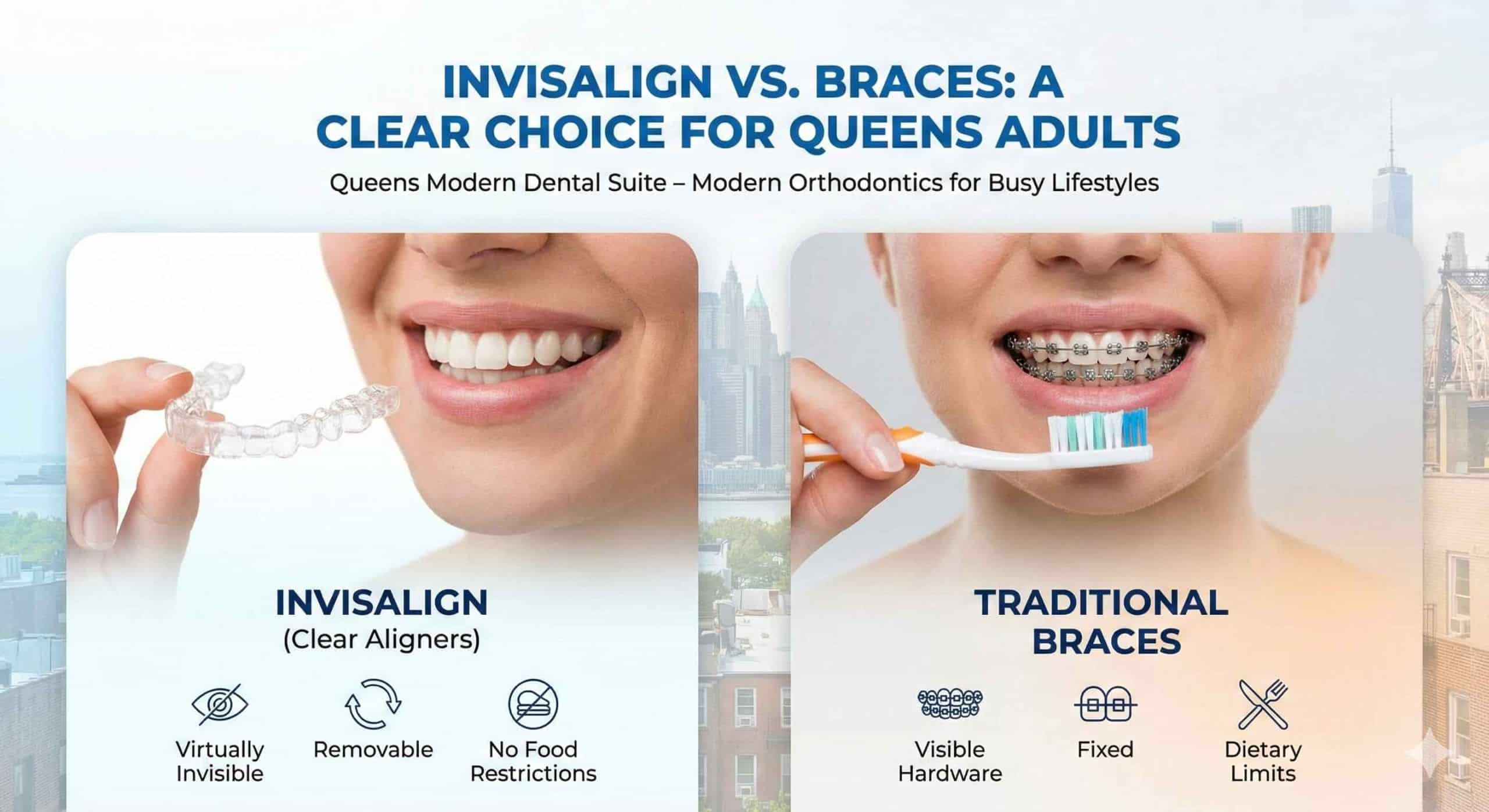
Traditional Braces: Still a Strong Contender
Traditional braces remain a remarkably reliable method for correcting a wide variety of orthodontic issues. They consist of brackets bonded to your teeth, connected by a wire that applies gentle, consistent pressure to move your teeth into the desired position. Several types are available, each with its own advantages.
Metal braces are the most common and generally the most affordable option. Ceramic braces, while more expensive, offer a tooth-colored aesthetic that blends in better with your natural teeth. Self-ligating braces use a built-in mechanism to hold the wire in place, potentially reducing friction and treatment time, though the evidence for this is still debated. The most appropriate type depends on your specific needs and budget.
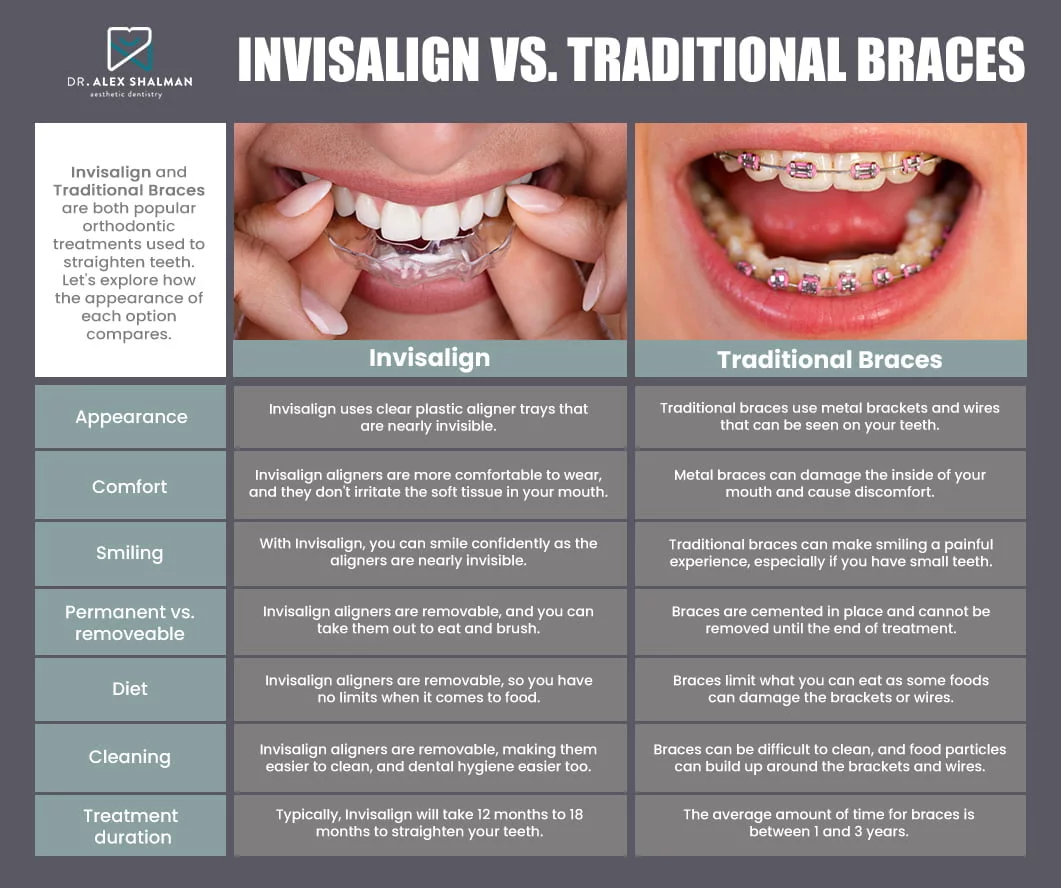
Treatment duration with braces typically ranges from 18 months to three years, varying based on case severity. Regular adjustments are needed every 6-8 weeks to tighten wires and monitor progress. Braces require lifestyle adjustments, including avoiding sticky, hard, and chewy foods that could damage the brackets or wires.
Discomfort, especially after adjustments, is a potential drawback. The aesthetic concern is also undeniable for some patients. Many adapt quickly, finding the results worth the temporary inconvenience. They are a proven technology that continues to be refined and improved, particularly effective for complex cases that clear aligners might struggle with.
Braces are incredibly effective for correcting significant malocclusions – severe overbites, underbites, and crossbites – where precise control over tooth movement is essential. They provide a level of force and stability that aligners sometimes can’t match. While the initial appearance might be a concern for some, the long-term benefits often outweigh those concerns.
Clear Aligners: The Rise of Invisible Orthodontics
Clear aligners, like Invisalign, offer a discreet alternative to traditional braces, appealing to adults and teens concerned about appearance. The process begins with a comprehensive scan of your teeth, creating a digital model to plan your treatment.
Based on this model, a series of custom-made, clear plastic aligners are created. Each aligner is worn for one to two weeks, gradually shifting your teeth into position. You switch to the next aligner in the series until treatment is complete. The aligners are removable, a major benefit for eating, brushing, and flossing.
Beyond Invisalign, companies like Byte and SmileDirectClub offer clear aligners. Research these options carefully, as material quality, orthodontist supervision, and cost vary significantly. Look for aligners prescribed and monitored by a qualified orthodontist.
Treatment with clear aligners typically takes 12 to 18 months, varying by case complexity. They are best suited for mild to moderate malocclusions, such as crowding, spacing, and some overbites. They offer comfort many patients prefer over traditional braces, as there are no brackets or wires to irritate the mouth.
Clear aligners are removable, allowing you to eat and drink without restrictions. However, you must wear them for at least 20-22 hours a day for optimal results. Consistent wear is critical for success, requiring self-discipline.
Cost Breakdown: Braces vs. Aligners in 2026
The cost of orthodontic treatment varies widely by treatment type, case complexity, and location. Traditional metal braces typically range from $3,000 to $7,000. Ceramic braces generally cost between $4,000 and $8,000, reflecting the more expensive materials.
Clear aligners, like Invisalign, typically cost $4,000 to $7,500, higher for more complex cases or premium providers. Direct-to-consumer aligner companies like Byte or SmileDirectClub may offer lower upfront costs, often $1,800 to $3,000, but typically involve less orthodontist supervision.
These figures usually include the initial consultation, the braces or aligners, and regular adjustment appointments. They don’t always cover retainers, essential for maintaining results after treatment. Retainers can range from $150 to $500, depending on the type.
Insurance coverage for orthodontic treatment varies significantly. Some plans offer partial coverage, others none. Many orthodontists offer financing options to spread the cost over several months. Check with your insurance provider and discuss payment options with your orthodontist.
Clear Aligners vs. Traditional Braces: A Comparative Overview (2026)
| Cost Factor | Clear Aligners | Traditional Braces |
|---|---|---|
| Initial Investment | Generally Higher | Generally Lower |
| Ongoing Monthly Payments | Typically Required | Often a One-Time Payment Plan Available |
| Potential for Additional Costs | Refinement trays & lost aligners can add up | Repairs for broken brackets can occur |
| Insurance Coverage | Coverage varies; increasing acceptance | Generally well-covered by insurance |
| Retainer Costs | Retainer cost is similar for both | Retainer cost is similar for both |
| Treatment Complexity Suitability | Better for mild to moderate alignment issues | Effective for a wider range of orthodontic problems, including severe cases |
| Dietary Restrictions | None; aligners are removable | Restrictions on sticky/hard foods to prevent damage |
| Oral Hygiene | Easier to maintain with removable aligners | Requires diligent cleaning around brackets and wires |
Qualitative comparison based on the article research brief. Confirm current product details in the official docs before making implementation choices.
Who's a Good Candidate? Matching Treatment to Your Needs
The right treatment option hinges on a thorough orthodontic evaluation. Braces are often preferred for complex cases involving significant malocclusions, such as severe overbites, underbites, open bites, and crossbites, providing the necessary force and control for substantial corrections.
Clear aligners are generally best suited for mild to moderate cases, including crowding, spacing, and minor alignment issues. They may not be effective for correcting severe bite problems or significantly rotating teeth. Patients with large gaps or significant crowding might not be ideal candidates for aligners.
Age is also a factor. While both braces and aligners can be effective at any age, clear aligners appeal to adults wanting a more discreet option. Younger patients who are still growing may benefit more from braces, as they can influence jaw growth. Discuss your specific situation with an orthodontist.
Patients with certain dental conditions, such as severe gum disease or missing teeth, may not be suitable candidates for either braces or aligners. A comprehensive oral health assessment is essential before starting any orthodontic treatment. A well-rounded evaluation will help determine the best course of action.
Are Clear Aligners Right For You? A Quick Self-Assessment
Considering clear aligners to straighten your teeth? This short quiz will help you think through some key factors. It's not a diagnosis, but it can give you a better idea of whether you might be a good candidate. Remember, a consultation with an orthodontist is crucial for a personalized assessment!
Maintenance & Lifestyle: Aligners vs. Braces
Daily maintenance differs significantly between braces and clear aligners. With braces, meticulous oral hygiene is paramount. You'll need to brush after every meal to prevent plaque buildup around the brackets. Flossing with braces requires using floss threaders or interdental brushes to clean between the wires and teeth. It takes dedication, but is absolutely necessary.
Clear aligners require regular cleaning with a soft-bristled toothbrush and mild soap. You should also rinse them thoroughly after each use. Unlike braces, you can remove aligners to eat and drink, which simplifies mealtime. However, it also means you need to be diligent about wearing them for at least 20-22 hours a day.
Dietary restrictions are more significant with braces. You'll need to avoid sticky, hard, and chewy foods that could damage the brackets or wires. This includes things like caramel, gum, nuts, and popcorn. With aligners, you can eat whatever you want, as long as you remove them first.
Some patients experience temporary speech impediments with either braces or aligners. This is usually mild and resolves on its own as you get used to the appliance. Minor irritation to the cheeks or gums is also common, especially in the initial stages of treatment. Orthodontic wax can help alleviate discomfort from braces brackets.
Amazon Essentials for Braces Care
Maintaining good oral hygiene with braces requires some specialized tools. Amazon offers a wide selection of products to make the process easier. A good starting point is a pack of floss threaders, which help you thread floss under the archwire. Interdental brushes, also known as proxy brushes, are excellent for cleaning between teeth and around brackets.
Orthodontic wax is a must-have for relieving irritation from braces brackets. It creates a protective barrier between the brackets and your cheeks or gums. A travel-sized toothbrush and toothpaste are handy for brushing after meals when you're on the go. Water flossers, like those from Waterpik, can also be a valuable addition to your oral hygiene routine.
Here are a few specific products consistently well-rated:
* Oral-B Super Floss: Specifically designed for cleaning around braces.
* GUM Interdental Brushes: Available in various sizes for different spaces.
* OrthoDots Orthodontic Wax: Provides long-lasting relief from bracket irritation.
* Waterpik Aquarius Water Flosser: Effectively removes plaque and debris.
- Oral-B Super Floss: Specifically designed for cleaning around braces.
- GUM Interdental Brushes: Available in various sizes for different spaces.
- OrthoDots Orthodontic Wax: Provides long-lasting relief from bracket irritation.
- Waterpik Aquarius Water Flosser: Effectively removes plaque and debris.
Essential Care Products for Your Braces Journey

Features 10 pressure settings for a customized clean · Includes 7 tips for various oral care needs, including orthodontic use · ADA Accepted for effective plaque removal and gum health improvement
The Waterpik Aquarius Water Flosser is recommended for its ability to effectively clean around braces and improve gum health with its customizable settings and multiple tips.

Designed with flexible bristles to clean between teeth and along the gumline · Comes with a convenient travel case for on-the-go hygiene · Dentist recommended for daily interdental cleaning
GUM Soft-Picks Advanced are recommended for their ease of use in cleaning between teeth and along the gumline, making them a convenient option for maintaining oral hygiene.

Specially designed to fit under the arch wire of braces · Features a sturdy pick for cleaning around brackets and wires · Encourages consistent flossing habits for better oral health
Platypus Orthodontic Flossers are recommended for their specialized design that makes flossing under braces wires simple and effective for both adults and children.

Includes a stiffened end to easily thread under dental work · Features spongy floss for cleaning around braces and implants · Mint flavor provides a refreshing clean
Oral-B Super Floss is recommended for its pre-cut strands with a stiffened end, making it easy to thread and clean effectively around braces.

Provides a protective barrier against irritation from braces · Infused with Vitamin E and Aloe Vera for soothing relief · Clear and unflavored for discreet and comfortable wear
GUM Orthodontic Wax is recommended for its ability to provide immediate relief from irritation caused by braces, offering a soothing and comfortable experience.
As an Amazon Associate I earn from qualifying purchases. Prices may vary.
Looking Ahead: Innovations in Orthodontics
The field of orthodontics is constantly evolving. Robotic braces, while still in the early stages of development, promise even more precise and efficient tooth movement. AI-powered aligner planning is also gaining traction, allowing orthodontists to create more customized and effective treatment plans.
Researchers are exploring new materials that offer faster-acting forces and improved biocompatibility. Self-healing aligners, which can repair minor cracks and damage, are also on the horizon. These innovations have the potential to make orthodontic treatment even more comfortable, predictable, and convenient.
Ultimately, the goal is to provide patients with the best possible care and help them achieve a healthy, beautiful smile. With ongoing advancements in technology and techniques, the future of orthodontics looks incredibly promising. The increased availability of options means there's a solution for nearly everyone seeking to improve their smile.

No comments yet. Be the first to share your thoughts!