
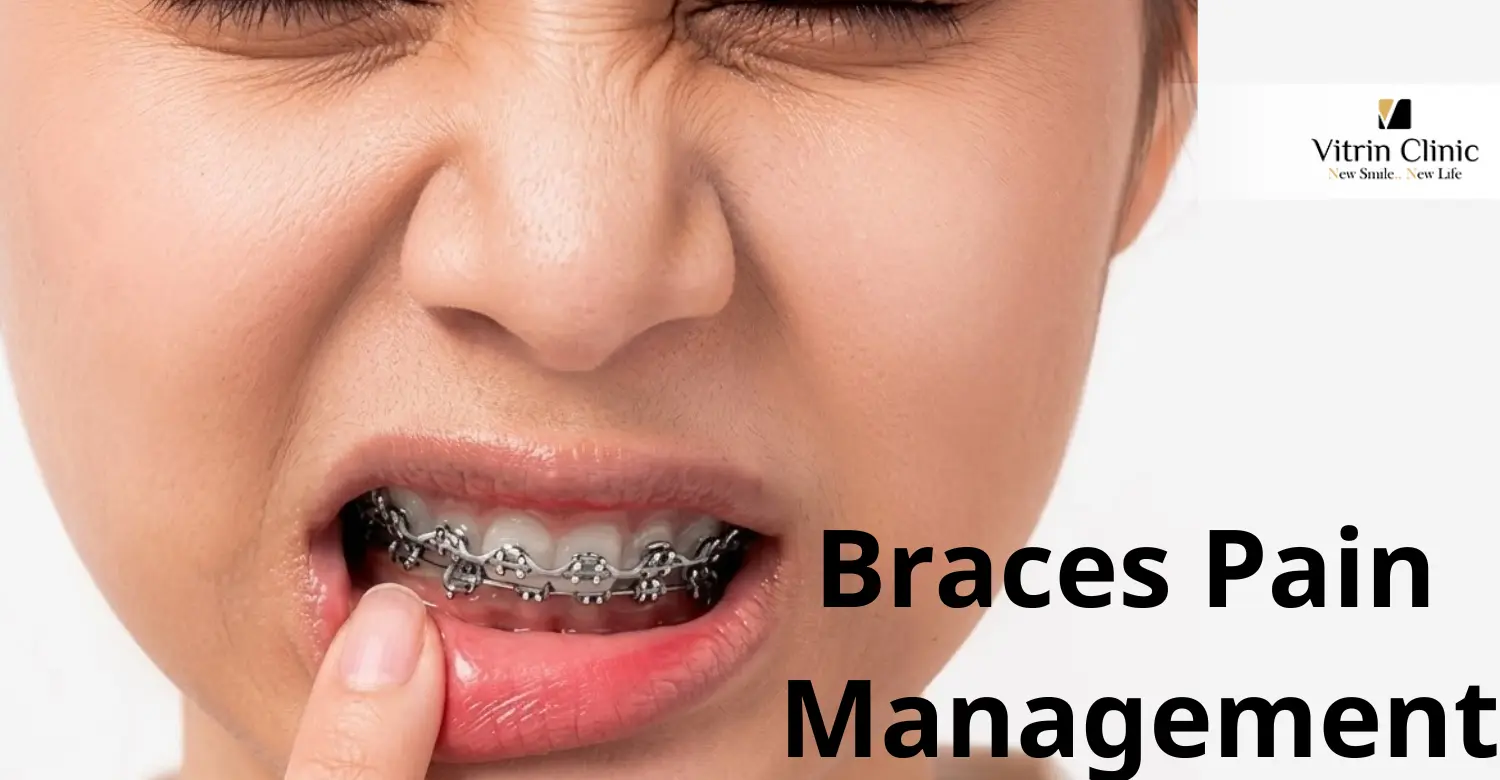

7 Proven Methods That Actually Work in 2026
Adjusting to braces often means navigating soreness and irritation, but you don’t have to rely solely on medication. These seven practical methods target the root causes of discomfort, offering immediate relief and long-term comfort strategies that fit into your daily routine. While orthodontic pain is a normal part of the process, it doesn’t have to derail your day. By combining mechanical protection, dietary adjustments, and targeted care, you can significantly reduce the friction between your hardware and your soft tissue.
1. Apply Orthodontic Wax Immediately
The most common source of pain is the bracket or wire rubbing against the inside of your cheeks or lips. Orthodontic wax is your first line of defense. To use it effectively, dry the bracket with a tissue or cotton swab so the wax adheres properly. Roll a small piece into a ball, flatten it, and press it firmly over the offending bracket. This creates a smooth barrier that prevents irritation. Reapply after eating or brushing. This method is immediate, inexpensive, and highly effective for acute sore spots.
2. Rinse with Warm Salt Water
Salt water rinses are a time-tested remedy for reducing inflammation and promoting healing in irritated oral tissues. Mix half a teaspoon of salt into a cup of warm water. Swish the solution around your mouth for 30–60 seconds, focusing on areas that feel tender, then spit it out. Do this two to three times a day, especially after meals. The saline solution helps cleanse the area, reduces swelling, and soothes minor abrasions caused by wire adjustments. It is a gentle, chemical-free way to manage soft tissue trauma.
3. Use Over-the-Counter Pain Relievers
For days when soreness is more than just a nuisance, non-prescription pain relievers can provide significant relief. Ibuprofen or acetaminophen can help manage the inflammation and ache associated with recent adjustments. Follow the dosage instructions on the label and consult your orthodontist if you have any medical conditions that prevent you from taking these medications. While medication masks the pain, it allows you to function normally while your teeth begin to move. Use this as a short-term aid, not a long-term crutch.
4. Switch to a Soft-Bristled Toothbrush
Your teeth and gums may be more sensitive than usual. Switching to a soft-bristled toothbrush reduces the pressure applied to your gums and brackets during cleaning. Hard bristles can aggravate already tender gums and potentially damage the orthodontic appliances. Brush gently in circular motions, ensuring you clean around each bracket and under the wires. Consider using a toothbrush with a rubber tip for massaging gums and cleaning hard-to-reach areas without causing pain. This simple change in tooling can make oral hygiene less painful and more thorough.
5. Avoid Hard, Sticky, and Chewy Foods
Diet plays a crucial role in managing braces pain. Hard foods like nuts, hard candy, and raw carrots can bend wires or break brackets, leading to sharp edges that cut your mouth. Sticky foods like caramel, gum, and taffy can pull on your braces, causing discomfort and potential damage. Chewy foods require excessive force that can strain your teeth and gums. Opt for softer foods like yogurt, mashed potatoes, smoothies, cooked vegetables, and tender meats. Cutting food into small pieces reduces the chewing effort required, minimizing pain and protecting your appliances.
6. Apply Cold Compresses to the Outside of Your Mouth
If your jaw or gums feel swollen or achy, a cold compress can help numb the area and reduce inflammation. Wrap an ice pack or a bag of frozen peas in a thin towel and apply it to the outside of your cheek for 15–20 minutes. The cold constricts blood vessels, reducing swelling and numbing nerve endings. This is particularly useful after a heavy adjustment appointment. Do not apply ice directly to the skin to avoid ice burns. This method provides temporary but effective relief for deep, aching pain.
7. Stay Hydrated and Maintain Oral Hygiene
Dehydration can worsen mouth soreness and dry out tissues, making them more susceptible to irritation. Drink plenty of water throughout the day to keep your mouth moist and help flush away food particles. Good oral hygiene is essential to prevent gum inflammation, which can compound braces pain. Floss daily using a floss threader or water flosser to clean between teeth and under wires where plaque can accumulate. Keeping your mouth clean reduces the risk of infection and keeps your gums healthy, which in turn reduces overall discomfort.
How to choose
Managing Braces Pain Naturally works best as a sequence, not a pile of settings. Do the minimum first: confirm compatibility, connect the primary device, update only when needed, and test the result before adding optional features. That order keeps the task understandable and makes failures easier to isolate.
After each step, pause long enough for the device or app to finish syncing. Many setup problems are timing problems disguised as configuration problems. If the same step fails twice, record the exact error, restart the smallest affected piece, and retry before moving deeper.
No comments yet. Be the first to share your thoughts!