

First Week Realities: What to Expect
Getting braces is a big step, and it’s perfectly normal to feel a little anxious about the first week. I want to be upfront: there will be some discomfort. It’s not usually "pain" in the traditional sense, but more of a soreness and pressure as your teeth start to adjust to the new hardware. Think of it like starting a new exercise routine – your muscles are going to ache a bit afterward.
That initial pressure is your teeth responding to the gentle force of the braces. This force is what’s gradually moving them into their correct positions. You might also experience some tenderness in your gums and cheeks. It's easy to get caught up in worst-case scenarios you read online, but truly unbearable pain is rare. Most people describe it as a dull ache, not a sharp, stabbing pain.
There’s a lot of misinformation out there about braces pain. Some people worry they won’t be able to eat for days, or that the pain will be constant and debilitating. That’s simply not true for most patients. The intensity of discomfort varies greatly from person to person, and it generally subsides within a few days as you adjust. It’s a temporary inconvenience for a long-term benefit.
Expect some difficulty eating, especially during the first few days. Your teeth will feel sensitive, and chewing might be uncomfortable. Avoiding hard or crunchy foods is essential, and we’ll get into specific food recommendations later. Remember, this discomfort is a sign that your treatment is working. It's a signal your teeth are responding, and that's a good thing.
Over-the-Counter Relief: Your First Line
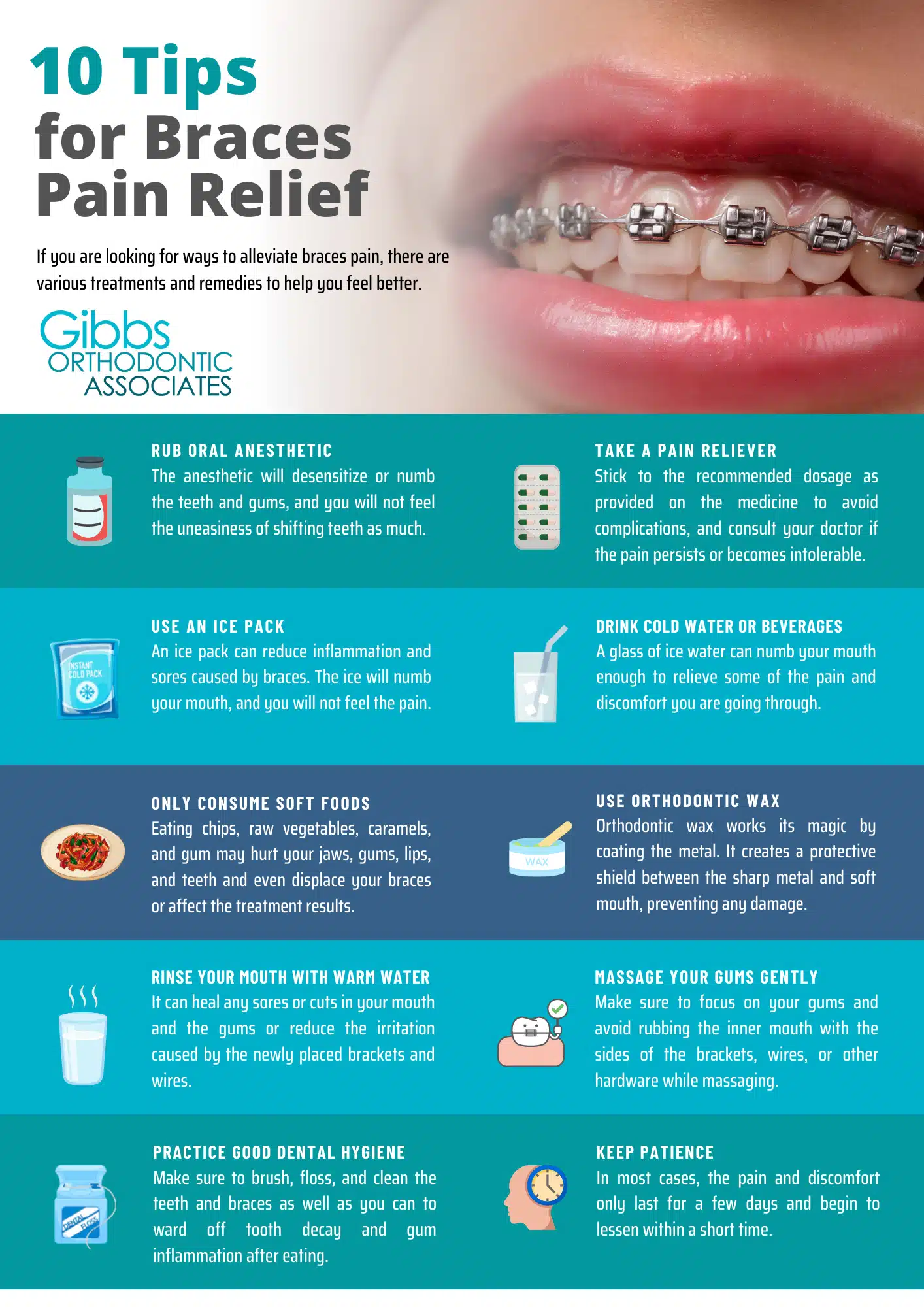
When discomfort strikes, over-the-counter pain relievers can be incredibly helpful. Ibuprofen (Advil, Motrin) is generally considered the most effective for braces pain, as it reduces inflammation in addition to alleviating pain. Follow the dosage instructions on the package carefully, and don’t exceed the recommended daily amount. Acetaminophen (Tylenol) is also an option, but it doesn't have the same anti-inflammatory properties.
Oral numbing gels like Orajel can provide temporary relief for localized irritation from brackets or wires. Apply a small amount directly to the affected area, but remember that the effects are short-lived. These gels aren't a long-term solution, and overuse isn't recommended. A voluntary recall of Orajel™ Baby Teething Swabs was issued in 2023 due to benzene contamination, so always check for current safety alerts before using any Orajel product.
Choosing the right mouthwash can also make a difference. Avoid mouthwashes containing alcohol, as they can be drying and irritating to sensitive gums. A saltwater rinse (discussed in detail later) is often the best option, but if you prefer a commercial mouthwash, look for one specifically designed for sensitive mouths. Consider Biotene or Sensodyne mouthwash for a gentle, alcohol-free option.
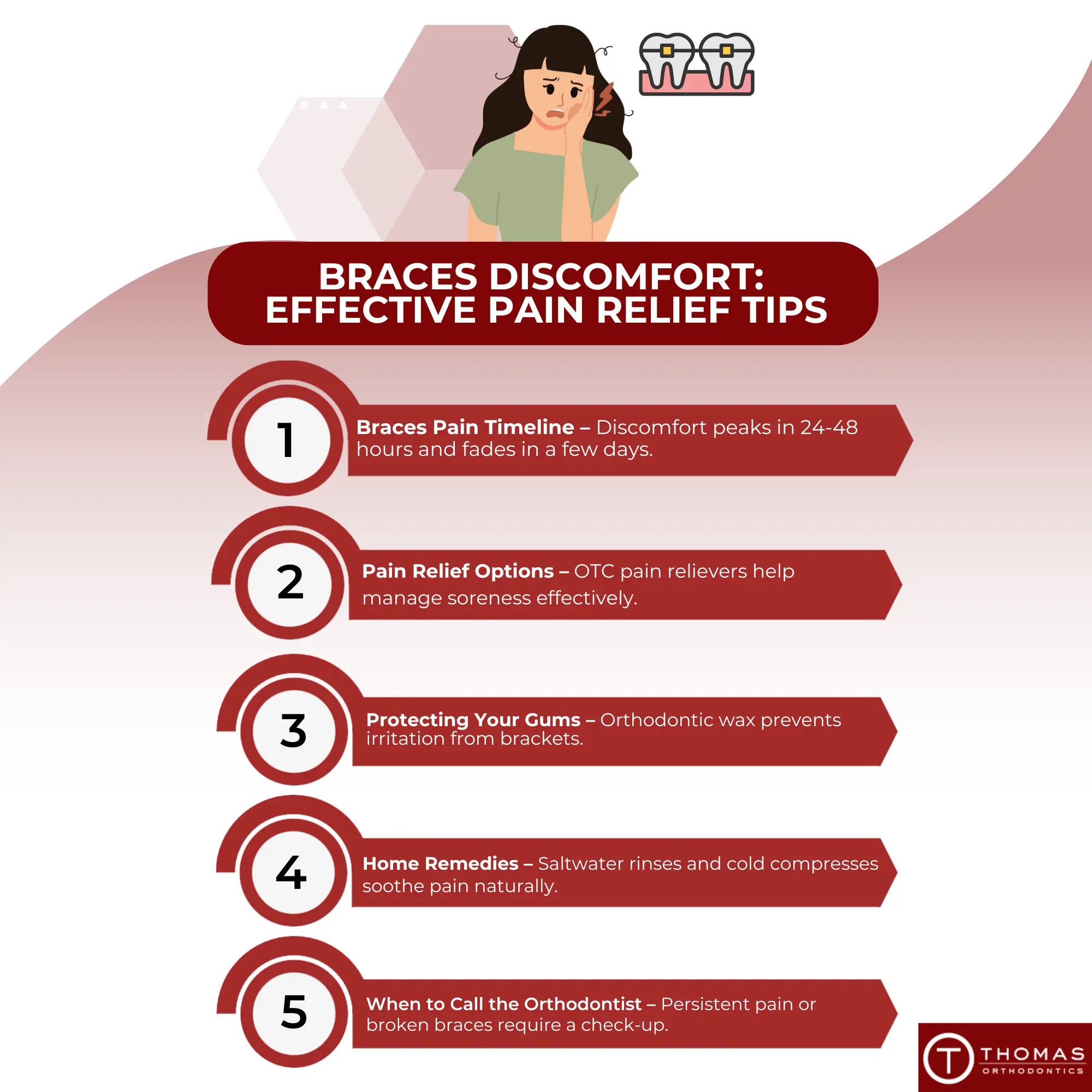
It’s important to know when to call your orthodontist instead of relying solely on over-the-counter remedies. If your pain is severe and doesn't respond to medication, or if you notice any signs of infection (fever, swelling, pus), contact your orthodontist immediately. Don't hesitate to reach out if you're concerned.
Over-the-Counter Pain Relief Options for Braces Discomfort
| Medication | Typical Dosage (Adult) | Typical Dosage (Teen - with parental guidance) | Best For | Potential Side Effects | Interactions to Watch For |
|---|---|---|---|---|---|
| Ibuprofen | 200-400mg every 4-6 hours as needed | 100-200mg every 6-8 hours as needed (based on weight - consult a doctor or pharmacist) | Inflammation and moderate to severe pain | Stomach upset, heartburn, nausea, increased risk of bleeding | Blood thinners, aspirin, other NSAIDs |
| Acetaminophen | 325-650mg every 4-6 hours as needed (maximum 3000mg per day) | 160-325mg every 4-6 hours as needed (based on weight - consult a doctor or pharmacist) | Mild to moderate pain, fever | Rarely, liver damage with high doses or prolonged use | Alcohol, certain medications metabolized by the liver |
| Oral Numbing Gel (Benzocaine) | Apply a small amount directly to the irritated area as needed | Apply a small amount directly to the irritated area as needed (use sparingly in younger teens) | Localized soreness, mouth sores caused by braces | Allergic reactions (rare), temporary loss of taste | Avoid use if allergic to local anesthetics |
| Ibuprofen (extended-release) | Available in various strengths; follow package directions | Not generally recommended for teens without specific doctor guidance | Longer-lasting pain relief for inflammation | Similar to standard ibuprofen, potentially increased gastrointestinal issues | Same as standard ibuprofen |
| Acetaminophen (liquid) | Follow package directions based on weight | Follow package directions based on weight | Easier to administer for those who have difficulty swallowing pills | Similar to standard acetaminophen, ensure accurate dosing | Same as standard acetaminophen |
| Oral Numbing Gel (containing lidocaine) | Apply a small amount directly to the irritated area as needed | Apply a small amount directly to the irritated area as needed (use sparingly in younger teens) | Localized soreness, mouth sores caused by braces | Similar to benzocaine gels, potential for allergic reactions | Avoid use if allergic to local anesthetics |
Illustrative comparison based on the article research brief. Verify current pricing, limits, and product details in the official docs before relying on it.
Soft Foods: Your New Best Friends
The first few days with braces are the perfect excuse to indulge in some comfort food – the soft kind! Your jaw will thank you. Think about foods that require minimal chewing and won't put pressure on your brackets. Soups are an excellent choice, especially creamy varieties like tomato or potato. Yogurt is another great option, providing protein and calcium without the effort of chewing.
Mashed potatoes are a classic for a reason. Go for a smooth consistency, and add a little butter or gravy for extra flavor. Smoothies are also fantastic – blend fruits, yogurt, and a little juice for a nutritious and easy-to-consume meal. Scrambled eggs are gentle on your teeth and provide a good source of protein. Well-cooked pasta, like macaroni and cheese, is another safe bet.
Now, let’s talk about what to avoid. Crunchy foods like chips, pretzels, and raw vegetables are off-limits. Chewy foods, such as steak, gummy candies, and bagels, can get stuck in your braces and cause discomfort. Sticky foods, like caramel or taffy, are a definite no-no – they can bend wires or even pull brackets off. Avoid acidic foods and drinks, which can irritate sensitive gums.
To make things even easier, consider blending or pureeing your meals. A simple tomato soup can be elevated with a swirl of cream and a sprinkle of herbs. A smoothie can become a complete meal with the addition of protein powder or nut butter. Don’t be afraid to get creative in the kitchen – there are plenty of delicious and nutritious soft foods to choose from.
- Soups: Creamy tomato, potato, or chicken noodle
- Yogurt: Plain or flavored (avoid varieties with granola or fruit pieces)
- Mashed Potatoes: Smooth and creamy
- Smoothies: Blend fruits, yogurt, and juice
- Scrambled Eggs: Soft and easy to eat
- Well-Cooked Pasta: Macaroni and cheese or other soft pasta dishes
Relief Strategies
- Over-the-Counter Pain Relievers - Medications like ibuprofen (Advil, Motrin) or acetaminophen (Tylenol) can effectively manage mild to moderate pain. Always follow dosage instructions on the label.
- Oral Anesthetic Gels - Products containing benzocaine, such as Orajel, can provide temporary, localized relief for sore spots caused by bracket irritation.
- Saltwater Rinses - Gently rinsing your mouth with warm salt water (1/2 teaspoon salt in 8 ounces of water) several times a day can reduce inflammation and promote healing.
- Soft Food Diet - Consuming soft foods, as tracked in our Braces-Friendly Foods checklist, minimizes pressure and discomfort on your teeth and gums.
- Cold Compresses - Applying a cold compress or ice pack to the outside of your cheek can help numb the area and reduce swelling.
- Orthodontic Wax - This wax, available at most pharmacies, can be applied to sharp brackets or wires to create a smooth surface and prevent irritation.
- Good Oral Hygiene - Maintaining meticulous oral hygiene with a soft-bristled toothbrush and floss (or floss threaders) as recommended by your orthodontist prevents inflammation and infection, contributing to overall comfort.
Saltwater Rinses: A Simple Solution
Saltwater rinses are a surprisingly effective way to manage braces discomfort. The warm salt water helps reduce inflammation in your gums and cleans the area around the brackets, removing food particles and bacteria. It's a simple, inexpensive, and natural remedy that can provide significant relief.
To make a saltwater rinse, dissolve about half a teaspoon of salt in a cup of warm water. Swish the solution gently around in your mouth for 30-60 seconds, focusing on the areas around your braces. Spit out the solution – don't swallow it. Repeat this process 2-3 times a day, especially after meals. It’s not a magical cure, but consistent use can make a noticeable difference.
Wax and Silicone: Protecting Your Mouth
Brackets and wires can sometimes rub against your cheeks, lips, or tongue, causing irritation. That’s where orthodontic wax and silicone putty come in. These materials create a protective barrier between the braces and your soft tissues, preventing further discomfort. Wax is typically a harder substance, while silicone is more pliable.
To apply the wax, roll a small piece between your fingers to soften it. Then, carefully press it over the offending bracket or wire. Make sure the wax adheres firmly to the braces. Silicone putty is applied in a similar way, but it’s often preferred for longer-lasting protection. You’ll need to replace the wax or silicone every few hours, or whenever it comes loose.
There are different types of wax available, some flavored. Experiment to find one you prefer. If a wire is poking out and causing irritation, gently push it back into place with a clean cotton swab or the blunt end of a toothbrush. If you can’t reposition the wire, contact your orthodontist. Don’t try to cut the wire yourself – you could end up causing more damage.
Beyond the Basics: Emerging Relief Methods (2026)
While traditional methods remain effective, research into new braces pain management techniques is ongoing. Low-level laser therapy (LLLT) is showing promise in reducing inflammation and pain. A 2024 study published in the Journal of Orthodontics indicated that LLLT sessions, administered by an orthodontist, reduced pain scores by an average of 30% in the first week after braces adjustment. However, it's not yet widely available and can be costly.
Vibration devices, like those using micro-vibrations, are also gaining attention. The idea is that these vibrations can help reduce discomfort by stimulating nerve endings and reducing the sensation of pain. Several companies, including DenGenix, are developing these devices, but more research is needed to confirm their effectiveness and long-term benefits. Some patients are finding relief using handheld massagers on their jaw muscles.
Specific mouthguards designed to reduce discomfort during orthodontic treatment are also being explored. These mouthguards are typically made of a soft, flexible material and are worn at night to help relax the jaw muscles and reduce pressure on the teeth. The effectiveness of these mouthguards varies depending on the individual and the specific design of the mouthguard. Newer bracket materials, like self-ligating brackets, are also designed to apply gentler forces, potentially reducing discomfort.
Finally, advancements in wire technology are contributing to more comfortable treatment experiences. Nickel-titanium wires, for example, are more flexible and resilient than traditional stainless steel wires, which can translate to less pressure on the teeth. While these emerging methods are promising, it’s important to remember that they’re not a replacement for traditional pain management techniques. They’re best used as complementary therapies.
When to Call Your Orthodontist
While most braces discomfort can be managed at home, there are certain situations that require a call to your orthodontist. Don’t hesitate to reach out if you experience any of the following: broken brackets, loose wires, or a wire poking into your cheek or tongue. These issues can cause significant discomfort and may require professional attention.
Severe pain that doesn’t respond to over-the-counter medication is another reason to call. Also, contact your orthodontist if you notice any signs of infection, such as fever, swelling, redness, or pus around your brackets. It’s always better to be safe than sorry when it comes to your oral health. When you call, be prepared to describe your symptoms in detail.
Community Insights: What Others Have Found Helpful
What do people actually do to cope with braces pain? Online braces communities are full of helpful tips and tricks. Many patients swear by using a water flosser to remove food particles and keep their braces clean, reducing irritation. Others recommend using a lip balm to prevent chapped lips from the braces rubbing.
A consistent theme across many forums is the importance of being prepared. Having a supply of soft foods on hand, wax, and pain relievers can make a huge difference. Several users also recommend using a straw to drink liquids, which can help minimize contact with sensitive teeth and gums. These are just a few of the many helpful insights shared by the braces community.


No comments yet. Be the first to share your thoughts!