

Why your teeth ache
It’s completely normal to experience some discomfort with braces, but it’s rarely just about that initial tightening feeling. Braces pain manifests in different ways for everyone. You might feel a general soreness in your teeth after an adjustment, irritation from the brackets rubbing against your cheeks or lips, or even localized pain if a wire is poking. Some people experience pain primarily during or immediately after appointments, while others have a more consistent, low-level ache.
Severe, debilitating pain isn’t typical. If you can't eat or sleep, call your orthodontist. The standard ache comes from teeth shifting and bone remodeling. This process causes inflammation, which is necessary for the move but causes the soreness. Everyone handles this differently; what feels like a dull throb to one person might feel sharper to another.
Don’t fall into the trap of comparing your experience to others. A lot of the initial discomfort subsides within a few days. However, understanding the types of pain you might encounter – initial soreness, bracket irritation, post-adjustment pain, and potential for ulcers – can help you prepare and manage it effectively. Being aware that it’s a normal, albeit unpleasant, part of the process is a good first step.
Immediate relief strategies
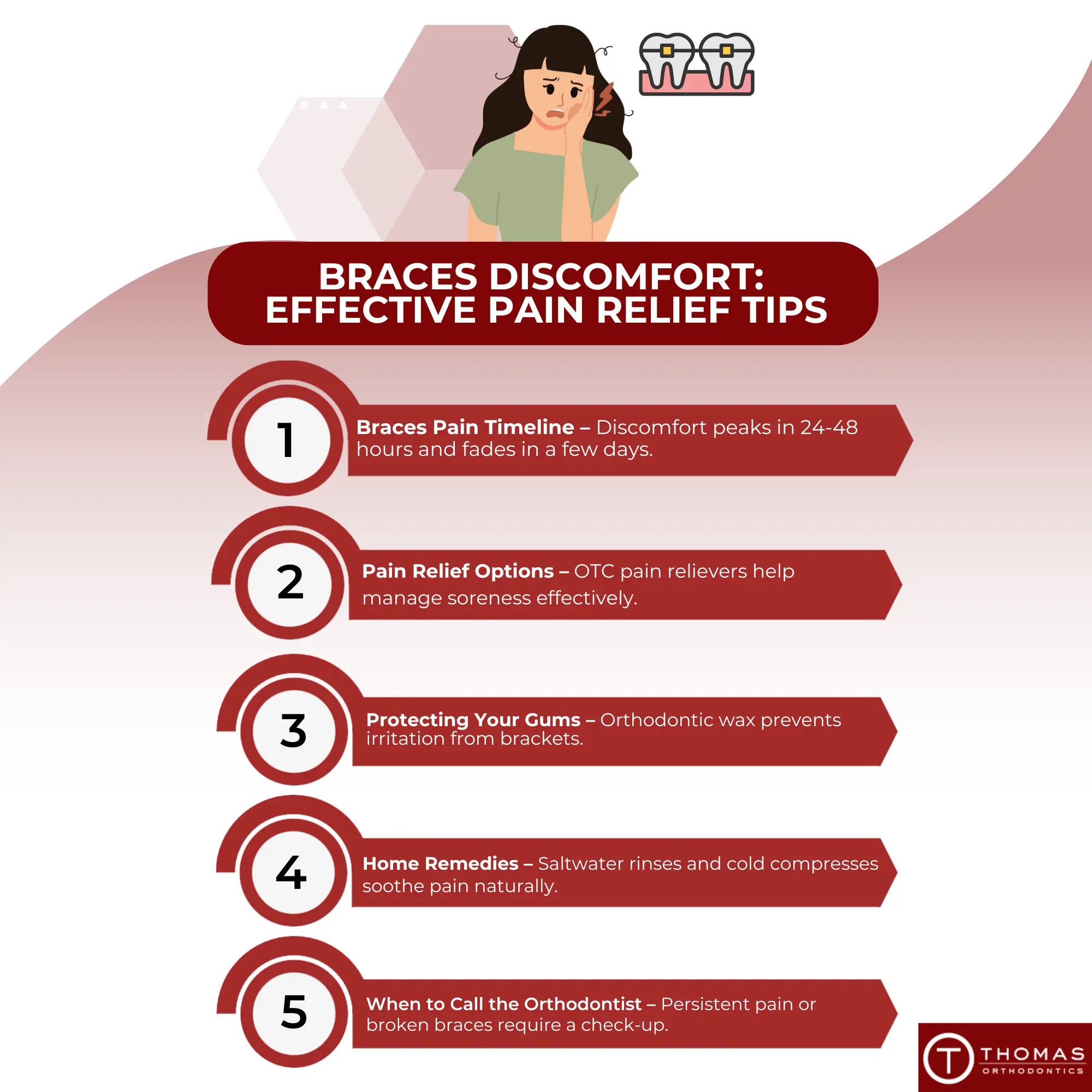
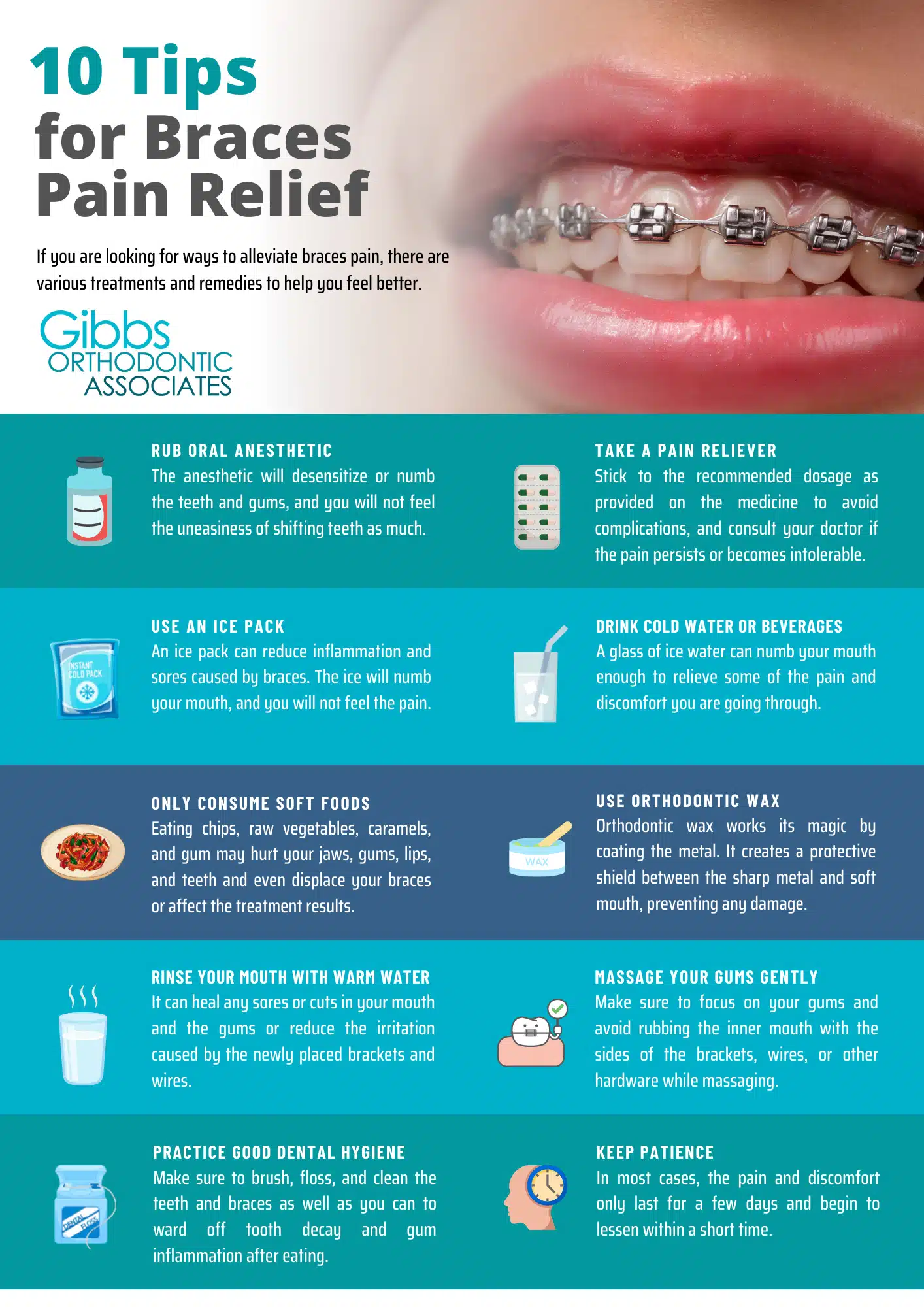
When braces pain strikes, you want relief, and you want it fast. Over-the-counter pain relievers are a good place to start. Ibuprofen (like Advil or Motrin) and acetaminophen (like Tylenol) can both effectively reduce pain and inflammation. Follow the dosage instructions on the packaging carefully, and never exceed the recommended daily amount. Alternating between ibuprofen and acetaminophen can sometimes provide more consistent relief, but always consult with a doctor or pharmacist before combining medications.
Cold compresses are also incredibly helpful. Applying an ice pack or cold compress to your cheeks for 15-20 minutes at a time, several times a day, can numb the area and reduce inflammation. Soft foods are your friend during this time. Think soups, yogurt, mashed potatoes, smoothies, and scrambled eggs. Avoiding hard, crunchy, or chewy foods will prevent further irritation and allow your teeth to recover.
Don't let pain disrupt your oral hygiene routine. Maintaining good oral hygiene is especially important when you're experiencing discomfort. Gently brush and floss as usual, and rinse your mouth with warm salt water (1/2 teaspoon of salt in 8 ounces of water) several times a day. This helps keep the area clean and reduces inflammation.
- Take over-the-counter pain relievers as directed.
- Apply cold compresses to your cheeks.
- Stick to soft foods like yogurt and mashed potatoes for the first 48 hours.
- Maintain good oral hygiene with gentle brushing, flossing, and salt water rinses.
Natural remedies that actually help
Many people turn to natural remedies for pain relief, and some can offer mild benefits. Clove oil, for example, has been traditionally used for toothaches. Its eugenol content has anesthetic and anti-inflammatory properties. However, use it sparingly – a tiny drop on a cotton swab applied directly to the affected area – as overuse can irritate your gums. Chamomile tea, with its soothing properties, can be a comforting addition to your routine, though its pain-relieving effects are likely minimal.
Turmeric contains curcumin, which is a known anti-inflammatory. Some studies suggest it helps with general body inflammation, but I'm not sure it does much for the specific pressure of a wire adjustment. You would have to eat a lot of it to see a difference. It's a fine addition to a meal, but don't expect it to replace an Advil.
There's a strong myth that you just need to "tough it out" when dealing with braces pain. I strongly disagree. While some discomfort is normal, ignoring significant pain can lead to complications and prolong your treatment. Active management, using a combination of strategies, is the best approach.
- Clove oil: Use sparingly for localized pain.
- Chamomile tea: Soothing, but limited pain relief.
- Turmeric: May reduce inflammation, but requires significant consumption.
Ortho-Approved Solutions: What Your Orthodontist Offers
Your orthodontist has several tools at their disposal to help manage your pain. If over-the-counter pain relievers aren't enough, they may prescribe a stronger pain medication. They can also make adjustments to your wires, bending them to relieve pressure points or using lighter-gauge wires temporarily. Don’t hesitate to ask about these options if your pain is interfering with your daily life.
Orthodontic wax is a lifesaver for preventing bracket irritation. Your orthodontist should provide you with wax, and you can apply it to any brackets that are rubbing against your cheeks or lips. Communicating with your orthodontist about your pain level is crucial. They need to know what you're experiencing to adjust your treatment accordingly.
In severe cases, like a poking wire causing a significant ulcer, or if pain is simply unmanageable, your orthodontist can schedule an emergency appointment to address the issue. They may even temporarily replace your current wire with a softer one to give your mouth a break. Remember, they are there to help you through this process.
Diet & Pain: Foods to Embrace and Avoid
Diet plays a huge role in managing braces pain. It’s not just about avoiding hard foods that could damage your brackets. Chewy foods like caramel, gummy candies, and even tough-to-bite steak can pull on your teeth and exacerbate discomfort. Acidic foods and drinks, like citrus fruits, tomatoes, and soda, can irritate mouth sores and increase sensitivity.
Instead, focus on braces-friendly options. Soft fruits like bananas and berries, yogurt, soups, mashed potatoes, scrambled eggs, and well-cooked pasta are all good choices. Smoothies are an excellent way to get nutrients without putting stress on your teeth. Staying hydrated is also important, as it keeps your mouth moist and helps with healing.
Consider how you prepare your food. Cut foods into small pieces, cook vegetables until tender, and avoid anything that requires a lot of chewing. If you're craving something crunchy, try a soft granola or cooked applesauce. Small changes in your food preparation can make a big difference in your comfort level.
- Embrace: Soft fruits, yogurt, soups, mashed potatoes, scrambled eggs.
- Avoid crusty bread, sticky candy, and highly acidic sodas.
- Prepare: Cut foods into small pieces, cook until tender.
Braces-Friendly Meal Ideas
- Breakfast - Oatmeal. Soft, easy to chew, and can be customized with fruit like bananas. Consider using a smaller spoon to avoid putting too much pressure on your brackets.
- Lunch - Soup. Broth-based soups, like chicken noodle or tomato soup, are gentle on braces and provide hydration. Avoid soups with large chunks of hard vegetables.
- Dinner - Soft Scrambled Eggs. A great source of protein and very easy to eat. Avoid adding crunchy ingredients like bacon bits.
- Snack - Yogurt. Smooth yogurt is a calcium-rich snack that doesn’t require chewing. Avoid yogurts with granola or hard candy pieces.
- Breakfast - Smoothies. Blend fruits, yogurt, and milk for a nutritious and easy-to-consume breakfast. Ensure no seeds are present that might get lodged in your braces.
- Lunch - Mashed Potatoes. Soft and comforting, mashed potatoes are easy on sore mouths. Avoid adding large pieces of unmashed vegetables.
- Dinner - Pasta. Cooked until soft, pasta is a good option. Choose smaller pasta shapes and avoid tough, chewy sauces.
- Snack - Applesauce. A naturally sweet and soft snack that's easy to eat with braces. Choose unsweetened varieties when possible.
Ulcers & Irritation: Prevention and Treatment
Mouth ulcers and bracket irritation are common culprits behind braces pain. Prevention is key. Maintaining excellent oral hygiene – brushing and flossing diligently – is the first line of defense. Regularly check your mouth for any areas of irritation and apply orthodontic wax immediately if you feel a bracket rubbing. A consistent routine is critical.
If an ulcer does develop, rinse your mouth with warm salt water several times a day. Over-the-counter ulcer medications, like Orabase, can provide temporary relief. It’s important to distinguish between a minor irritation and something more serious. A small, localized sore that responds to wax and salt water rinses is likely just a minor irritation.
However, if the ulcer is large, very painful, doesn’t heal within a week or two, or is accompanied by a fever, you should see your orthodontist or a doctor. Proper application of orthodontic wax is also important – make sure the bracket is completely covered to prevent further rubbing.
Long-Term Pain Management: Building Resilience
Braces treatment can be a marathon, not a sprint. Developing strategies for long-term pain management is essential. Stress can significantly worsen pain perception, so incorporating stress-reducing activities into your routine – like yoga, meditation, or spending time in nature – can be beneficial. Prioritizing sleep is also crucial, as your body needs rest to heal and recover.
Gentle exercise can also help. Physical activity releases endorphins, which have natural pain-relieving effects. Remember that braces pain is temporary. Focusing on the end goal – a beautiful, healthy smile – can help you stay motivated and cope with discomfort. It's a reminder that the short-term pain is a pathway to a long-term benefit.
Above all, stick to your orthodontist’s instructions. Attend all your appointments, wear your elastics as prescribed, and follow their dietary recommendations. Consistency is key to a successful and less painful treatment experience.


No comments yet. Be the first to share your thoughts!