


The Basics: Tools and Setup
Before you start, gather your supplies. Standard waxed floss works, but super floss or floss threaders make the job significantly easier. If you use a water flosser, fill the reservoir with warm water and select a low-pressure setting to avoid irritating your gums.
Check your orthodontic kit for any missing pieces. A broken bracket or loose wire can make flossing painful and ineffective. If you notice any damage, call your orthodontist before attempting to clean around the affected area.
Position yourself in front of a mirror with good lighting. You need to see exactly where the floss goes under the wire and between the teeth. Poor visibility leads to missed spots and lingering plaque.
Follow the process
Flossing with braces requires a specific sequence to clear plaque from under the wires and around the brackets. Standard flossing often leaves debris trapped against the gumline, which can lead to inflammation or permanent white spots on the enamel. By following these steps, you can ensure a thorough clean without damaging your orthodontic appliances.

If you are using traditional string floss, thread it through a flosser or threader. This rigid plastic tool acts like a needle, allowing you to slide the floss easily under the main archwire of your braces. Once the floss is through, remove the threader, leaving the floss hanging ready for use.
Wrap the ends of the floss around your index fingers to control tension. Gently slide the floss down between the teeth until it reaches the gumline. Curve the floss into a "C" shape against the side of one tooth. This shape allows you to reach slightly below the gumline where bacteria tend to accumulate.
With the floss curved against the tooth, move it up and down several times. Apply gentle pressure to clean the side of the tooth and the area just under the gum. Avoid snapping the floss, which can cut the gums, especially when brackets are present. Repeat this motion on the adjacent tooth before moving to the next space.

After using string floss or floss picks, rinse with a water flosser to dislodge any remaining debris. Aim the tip at a 90-degree angle to the gumline. The pressurized water stream can reach behind the wires and under the gums more effectively than string alone, flushing out food particles that floss might miss.
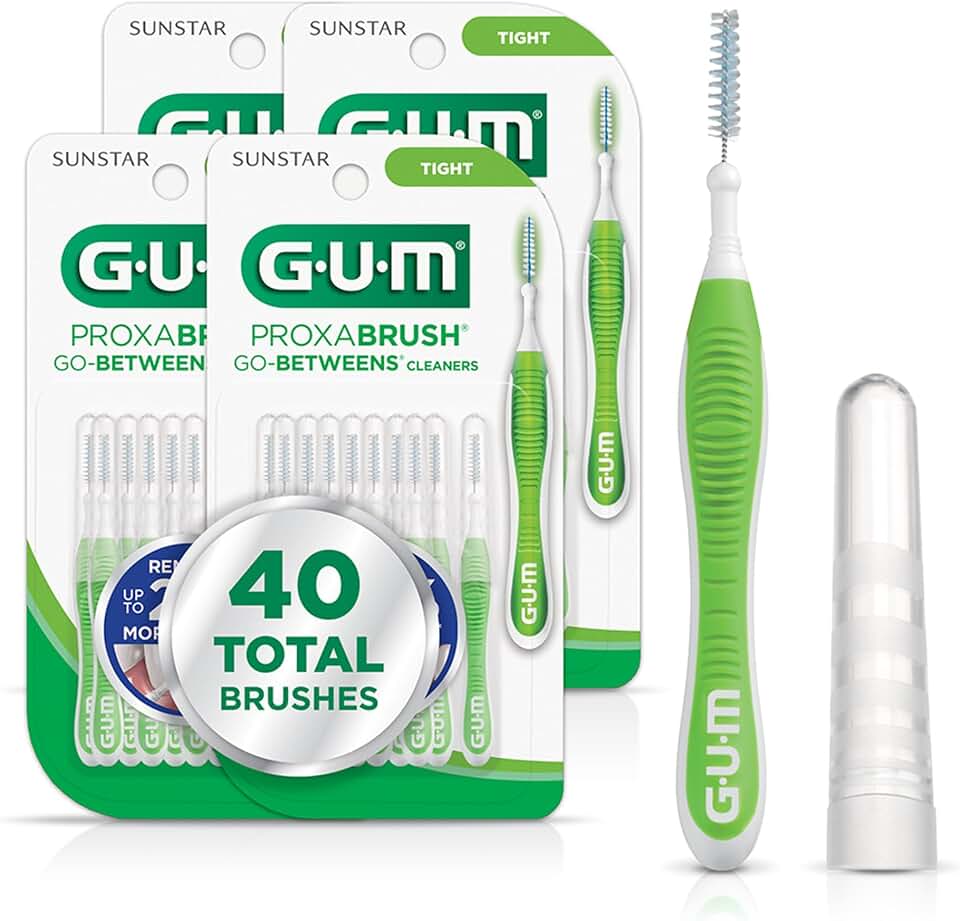
Run your tongue over your teeth and brackets to check for any leftover food particles. If you feel something stuck, use an interdental brush or your water flosser to clear it. Regular visual checks help ensure you are maintaining good oral hygiene throughout the orthodontic treatment.

As an Amazon Associate, we may earn from qualifying purchases.
Consistency is more important than speed. Taking an extra minute to floss properly each night prevents the buildup of plaque that can cause decay around your brackets. Stick to this routine until your braces are removed, and your teeth will be ready for the next phase of your smile transformation.
Avoid these mistakes
Even with the right tools, technique errors can undo your effort. The most common mistake is using standard flossing motions that ignore the brackets. You cannot simply slide floss between teeth as you would without braces. The wire and brackets create physical barriers that require a modified approach. Trying to force regular floss down can snap the thread or damage the orthodontic hardware.
Another frequent error is skipping the C-shape. When using traditional floss or threaders, the floss must wrap around the side of each tooth in a C-shape. This allows you to clean the surface area just below the gumline. If you only pull the floss up and down in a straight line, you miss the plaque hiding against the tooth wall. This is where gum inflammation and decay often start.
Water flossers introduce a different set of pitfalls. Many users set the pressure too high, which can irritate sensitive gums or push debris deeper into the pockets rather than flushing it out. Others rely solely on the water flosser and skip the mechanical removal of plaque. While water flossers are excellent for clearing out food trapped under wires, they are not a complete replacement for the scraping action of floss or interdental brushes.
Finally, rushing the process is a major oversight. Flossing with braces takes more time than without them. Trying to speed through the routine often results in missed spots around the bracket edges. Treat each tooth individually, ensuring you clean under the archwire and around every bracket base. Consistency and patience are more effective than speed.
No comments yet. Be the first to share your thoughts!