

How Braces Move Teeth
Understanding the mechanics behind your braces helps explain the pressure you feel during your first week. The process is not about forcing teeth into place but rather guiding your body’s natural bone remodeling system. According to the American Association of Orthodontists, braces work by applying continuous, gentle pressure to the teeth, which triggers biological changes in the surrounding bone and periodontal ligaments AAO.
Think of the space between your tooth and the jawbone as a small, flexible cushion called the periodontal ligament. When the archwire applies pressure to one side of the tooth, it compresses this ligament. This compression signals your body to break down bone in that direction. Simultaneously, on the opposite side, new bone is formed to fill the gap left behind. This coordinated process allows the tooth to shift gradually into its new position.
The Role of the Archwire and Brackets
The archwire is the primary engine of movement. It acts like a track, holding all the teeth in a specific alignment. The brackets, bonded to each tooth, serve as handles that transfer the wire’s force to the teeth. As the wire tries to return to its original shape, it pulls the teeth along with it. This constant, low-level force is what creates the sensation of tightness or soreness, particularly after adjustments or in the first few days of wear.
Why Your Teeth Feel Sore
That initial soreness is a sign that the process is working. The pressure causes mild inflammation in the periodontal ligament, which your nerves interpret as tenderness. This discomfort is temporary and typically peaks within 24 to 72 hours before subsiding. Cleveland Clinic notes that this soreness is a normal part of the treatment and can be managed with over-the-counter pain relievers and soft foods Cleveland Clinic. It does not indicate damage; it indicates that your bone is actively remodeling to accommodate the new tooth positions.
Applying Your Braces
The bonding appointment is the moment your treatment plan becomes physical. While the idea of having brackets glued to your teeth can feel intimidating, the procedure itself is painless and typically takes between 60 to 90 minutes. Understanding the sequence of events helps reduce anxiety by replacing the unknown with a clear, manageable process.
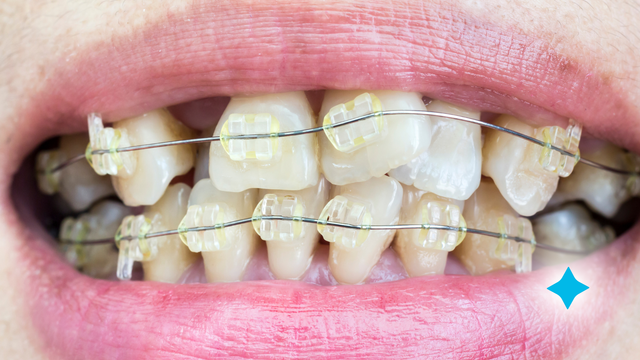
Before any hardware is attached, your orthodontist thoroughly cleans your teeth. This step removes plaque and debris to ensure the bonding material adheres securely. They may also apply a mild etching solution to the enamel, which creates a microscopic texture for the adhesive to grip. This process is quick and does not cause discomfort.
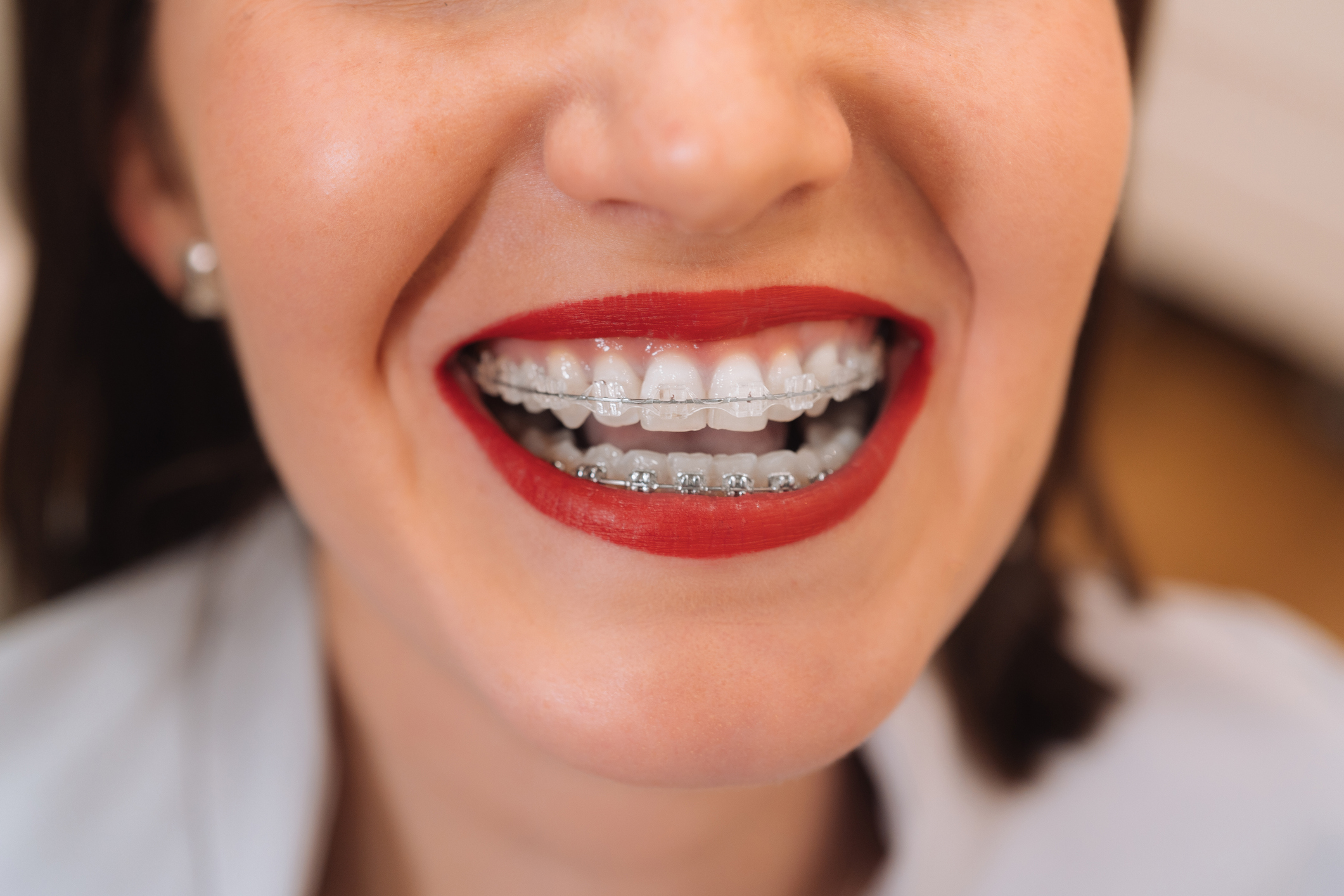
Once the teeth are prepped, a liquid bonding agent is painted onto each tooth. This acts as the glue that holds the brackets in place. You might notice a slight change in taste or texture, but the material sets rapidly under the orthodontist’s curing light, hardening the surface within seconds.
The orthodontist positions each bracket precisely on your teeth. This is the most technical part of the appointment, requiring careful alignment to ensure your teeth move correctly over time. Once positioned, the bracket is cured with a bright light to lock it firmly onto the tooth surface.
With all brackets secured, the orthodontist threads the archwire through the bracket slots. This wire is the engine of your treatment, applying gentle pressure to begin shifting your teeth into their new positions. You may feel the wire being guided into place, but it should not hurt.
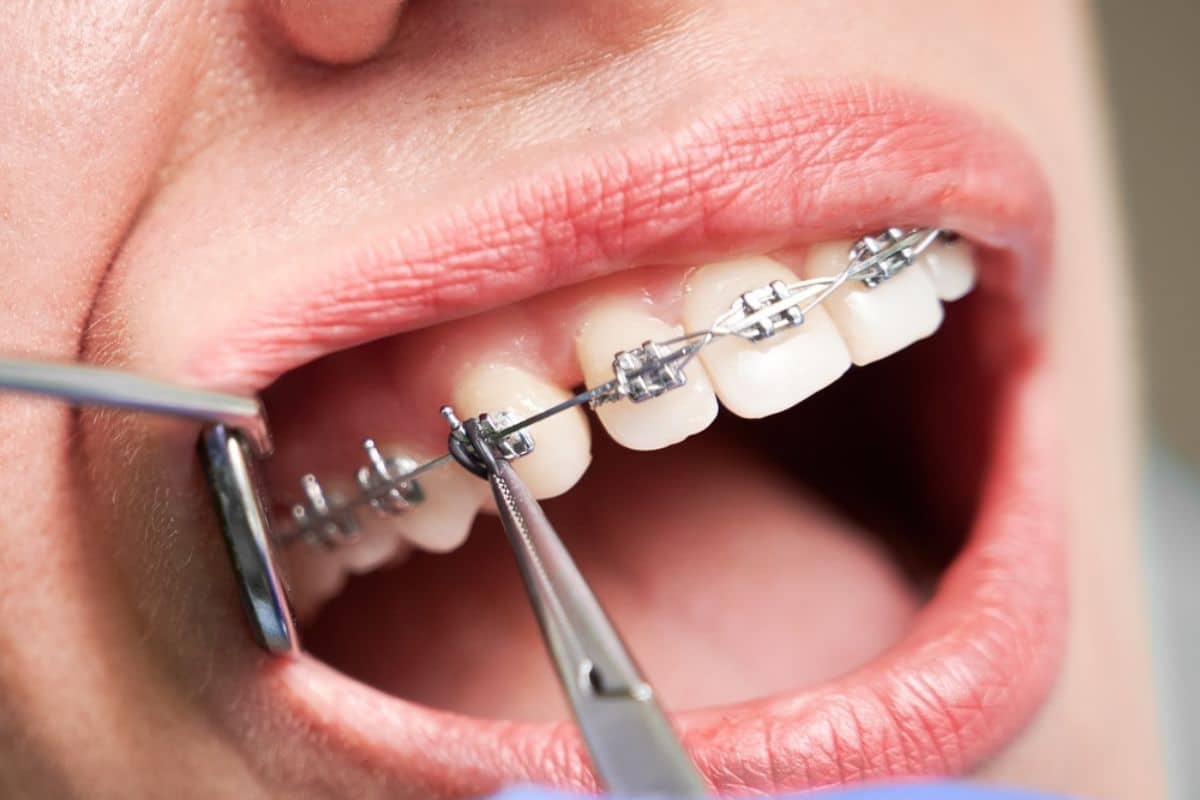
Finally, the archwire is secured using small elastic bands (o-rings) or metal ties. These keep the wire in place and maintain the necessary tension. Your orthodontist will check your bite and make any final adjustments to ensure everything is comfortable and secure before you leave.
The entire process is non-invasive. You will leave the office with a new smile in progress, ready to begin your journey toward straighter teeth. If you have specific concerns about the procedure, your orthodontist is the best resource for personalized guidance.
Managing First Week Discomfort
The first week with braces is often the most physically challenging part of the treatment. As the American Association of Orthodontists notes, braces work by applying constant, gentle pressure to shift teeth into alignment. This pressure triggers an inflammatory response in the periodontal ligaments, which is the biological mechanism behind the soreness you will feel. While this discomfort is a sign that the treatment is working, it can be difficult to manage while eating or speaking.
Your teeth will likely feel tender to the touch and pressure within 24 hours of the appointment. Over-the-counter pain relievers like ibuprofen or acetaminophen can help manage this initial soreness. Soft foods are essential during this period; stick to yogurt, mashed potatoes, smoothies, and lukewarm soups. Avoid anything that requires significant chewing or biting, as this will aggravate the inflamed ligaments.
Wires and brackets can also irritate the soft tissues inside your mouth, leading to small ulcers or sores on your cheeks and lips. This is a common mechanical irritation rather than a medical complication. To prevent this, apply orthodontic wax to any protruding wires or brackets before you sleep. The wax creates a smooth barrier between the metal and your gums, allowing the sores to heal while you rest.
Maintaining oral hygiene becomes slightly more complex but remains critical. Use a soft-bristled toothbrush and fluoride toothpaste to clean around the brackets without further irritating sensitive gums. If you experience persistent ulcers that do not heal after a few days, or if a wire breaks and causes significant pain, contact your orthodontist for an adjustment.
Safe Foods and Diet Rules
What you eat directly impacts your treatment timeline. Hard, sticky, or chewy foods can bend wires or pop brackets off your teeth, leading to emergency visits and extended wear. The goal is to protect the hardware while maintaining a nutritious diet.
Think of your braces as a delicate mechanism. Just as you wouldn't force a key into a broken lock, you shouldn't force your teeth against resistant foods. Most orthodontists, including those at the Cleveland Clinic, advise sticking to softer textures during the first week and avoiding specific triggers throughout treatment.
Foods to Avoid
Certain textures pose the highest risk for damage. Avoid hard items like nuts, hard candies, and ice, which can crack brackets. Sticky foods such as caramel, taffy, and gum can pull wires out of alignment. Chewy breads like bagels or tough steaks require excessive force that braces are not designed to withstand.
Safe Alternatives
Opt for soft, easy-to-chew foods. Good choices include yogurt, mashed potatoes, cooked vegetables, pasta, and smoothies. These foods provide necessary nutrition without stressing the brackets. Cutting food into small pieces, like apples or carrots, reduces the biting force required and minimizes the risk of accidental damage.
Daily cleaning routine
Your braces are now part of your mouth, and they trap food and plaque more easily than natural teeth. Without a strict cleaning protocol, plaque can harden into tartar within days, leading to permanent white spots (decalcification) or gum inflammation. The American Association of Orthodontists emphasizes that consistent hygiene is the only way to protect your enamel while your teeth move. Think of your cleaning routine as a non-negotiable maintenance check for your new smile.
Brush after every meal
Brush at least three times a day, ideally after every meal. Use a soft-bristled toothbrush and fluoride toothpaste. Angle the bristles at 45 degrees toward the gumline and gently scrub around each bracket and wire. If you cannot brush immediately, rinse thoroughly with water to dislodge loose particles. This simple habit prevents food from sitting against your teeth long enough to cause decay.
Floss daily with a threader
Flossing with braces requires extra patience, but it is essential. Use a floss threader or orthodontic flossers to slide the floss under the main archwire. Gently curve the floss into a "C" shape against the side of each tooth and move it up and down. The American Dental Association notes that flossing removes plaque from between teeth where a toothbrush cannot reach. Do this at least once a day, preferably before bed.
Rinse with fluoride mouthwash
Finish your routine with an alcohol-free fluoride mouthwash. Swish for one minute to coat your teeth and brackets, helping to strengthen enamel and prevent cavities. This step is especially important if you have sensitive teeth or a high risk of decay. It also helps freshen your breath, ensuring you feel confident throughout the day.
Use an interdental brush
An interdental brush (or proxy brush) is a small, cone-shaped brush that fits between brackets and wires. Use it to clean around the base of each bracket and under the wire where plaque tends to accumulate. This tool is highly effective at removing debris that brushing and flossing might miss. Keep one in your bag for quick clean-ups after lunch.
Check your work
Before you leave the bathroom, run your tongue over your teeth. If they feel rough or sticky, plaque is still there. Check for visible food particles in the mirror. A clean, smooth feeling indicates you have done a thorough job. Consistent checks help you catch missed spots early, preventing issues before they start.
Common Questions About Braces
Managing the logistics of orthodontic treatment helps reduce anxiety during your first week. Understanding the financial structure and care requirements allows you to focus on your progress rather than unexpected hurdles.
How much do braces cost per month?
Monthly payments vary based on treatment complexity and insurance coverage. According to general industry data, average monthly payments typically range from $100 to $250, with teenagers often falling into the $100–$250 bracket and children around $80–$200. Many orthodontists offer payment plans to spread this cost over the treatment duration, making it more manageable for families. Always confirm your specific estimate with your provider.
No comments yet. Be the first to share your thoughts!