

The Evolving Braces Landscape
For many, the image of braces involves a mouth full of metal and frequent, sometimes uncomfortable, trips to the orthodontist. That perception is rapidly changing. Orthodontics has undergone a significant transformation in the last decade, driven by advancements in digital technology and a growing demand for more efficient and aesthetically pleasing treatments. We’ve moved beyond simply straightening teeth; it’s about achieving optimal oral health and a confident smile with minimal disruption to daily life.
Traditional braces, while still effective, had limitations. Treatment times could stretch for years, requiring diligent patient compliance and numerous adjustments. The discomfort associated with tightening appointments was a common complaint. And let’s be honest, metal braces weren’t exactly a fashion statement. But the demand for orthodontic care is increasing. According to a report by Grand View Research, the global orthodontics market was valued at USD 3.5 billion in 2022 and is projected to reach USD 5.8 billion by 2030.
This surge in demand, coupled with technological breakthroughs, has fueled a wave of innovation. Patients today have more options than ever before, from clear aligners like Invisalign to self-ligating braces and, most excitingly, the emergence of AI-powered orthodontic solutions. The goal? To reduce treatment times, minimize discomfort, and provide a more predictable and personalized experience. It’s a shift from reactive orthodontics – addressing problems as they arise – to proactive, preventative care.
The current landscape is marked by a desire for discretion and efficiency. People want results, and they want them without enduring years of visible hardware and painful adjustments. This is where smart braces technology comes in, promising a revolution in how we approach orthodontic treatment. This isn’t just about making braces "prettier’—it"s about making them fundamentally better.
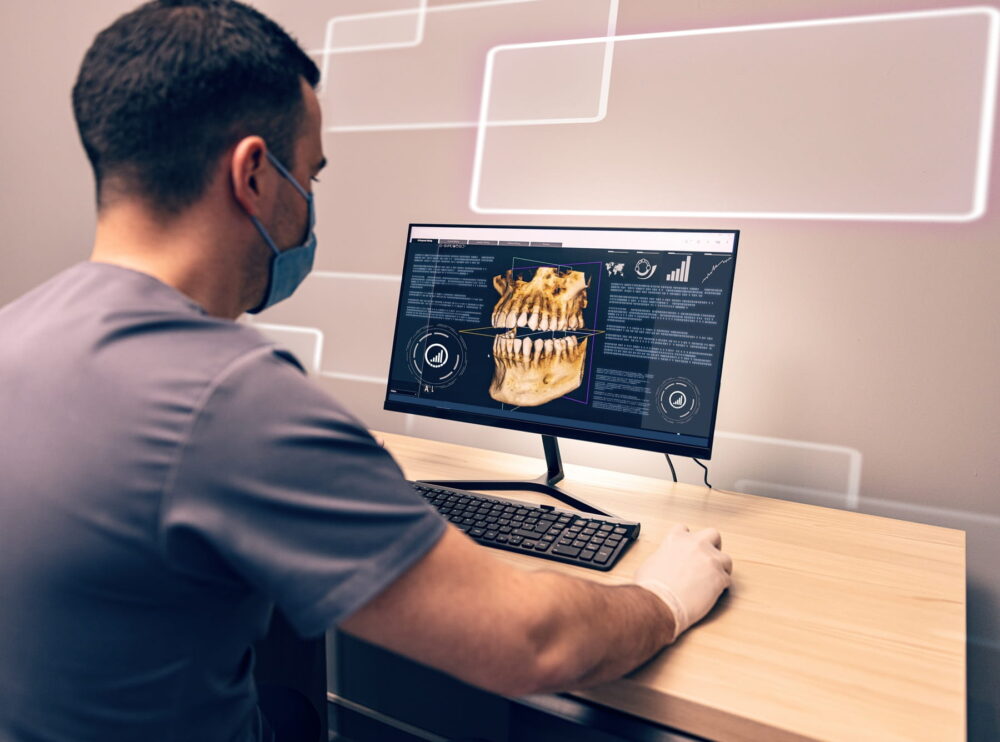
AI-Powered Diagnosis & Treatment Planning
One of the most impactful applications of artificial intelligence in orthodontics is in the initial stages of diagnosis and treatment planning. Gone are the days of solely relying on physical models and two-dimensional X-rays. AI algorithms are now capable of analyzing patient scans – including CBCT (cone-beam computed tomography) scans and intraoral scans – with incredible precision. These scans provide a detailed, three-dimensional view of the patient’s teeth, jaw, and surrounding structures.
The power of AI lies in its ability to predict tooth movement. By inputting a patient’s scan into an AI-powered platform, orthodontists can simulate various treatment plans and visualize the expected outcome. This allows for a more accurate prediction of how teeth will respond to forces, identifying potential problem areas before treatment even begins. This predictive capability is a game-changer, minimizing the risk of unforeseen complications and reducing the overall treatment time. It's a significant improvement over relying solely on clinical experience.
Several software solutions are leading the way in this area. While specific names and capabilities evolve rapidly, platforms like Ortho Insights (as of late 2023) are gaining traction for their ability to automate bracket placement and predict treatment duration. These tools don't replace the orthodontist, but they augment their expertise, providing valuable insights and streamlining the planning process. The software analyzes the scans and proposes a customized treatment plan, highlighting potential challenges and suggesting optimal bracket positioning.
Machine learning plays a crucial role in continuously refining these predictions. As more data is fed into the AI algorithms – from successful and unsuccessful treatment cases – the models become more accurate and reliable. This iterative process ensures that the AI is constantly learning and improving its ability to predict tooth movement. The benefit to the patient? A more personalized and effective treatment plan tailored to their unique anatomy and needs. This also means a reduction in the need for mid-course corrections, saving both time and money.
The use of AI in diagnosis isn't without its considerations. Data privacy and the potential for algorithmic bias are important issues that need to be addressed. However, the potential benefits – more accurate diagnoses, reduced treatment times, and improved outcomes – are undeniable.
- Patient scan (X-ray, intraoral scan)
- AI algorithm analyzes the scan
- Personalized treatment plan is created
- Treatment progress is monitored and adjusted as needed
Self-Adjusting Braces: A New Level of Precision
"Smart" braces represent a significant leap forward in orthodontic technology. Unlike traditional braces that require manual adjustments by the orthodontist, self-adjusting braces actively respond to the forces acting on your teeth. This is achieved through the use of innovative materials and technologies, such as shape memory alloys (SMAs) and, in some cases, even micro-robotics.
Shape memory alloys, like nickel-titanium, have the remarkable ability to "remember" their original shape. When deformed, they exert a constant force to return to that shape. In the context of braces, this means the archwire continuously applies gentle, consistent pressure to move teeth, reducing the need for frequent tightening appointments. This constant force is generally more comfortable for the patient than the intermittent bursts of pressure from traditional adjustments.
More advanced concepts involve integrating micro-robotic technology directly into the braces. While still largely in the research and development phase, these systems would allow for even more precise and dynamic control over tooth movement. Imagine braces that can adjust their force levels in real-time, based on the individual needs of each tooth. SMILE-FX’s AI Braces™ are an example, utilizing a proprietary algorithm and 3D-printed precision to streamline the process (reddit.com).
The potential benefits are substantial: less discomfort, shorter treatment times, and improved accuracy. Patients report a more comfortable experience with less pain and fewer emergency visits. However, the manufacturing of these braces is complex and currently more expensive than traditional methods. The cost is a barrier to entry for some, though prices are expected to come down as the technology becomes more widespread.
Patient experience with self-adjusting braces is largely positive, based on early reports. Individuals often describe a more consistent level of pressure and less noticeable discomfort compared to traditional braces. However, more long-term studies are needed to fully assess the efficacy and durability of these systems.
Remote Monitoring and Virtual Appointments
The rise of teledentistry has dramatically changed how orthodontic care is delivered. Remote monitoring and virtual appointments are becoming increasingly common, offering patients greater convenience and flexibility. This is particularly beneficial for those who live far from their orthodontist, have busy schedules, or prefer to minimize in-person visits.
Patients can now use smartphone apps and at-home scanning devices to track their progress and communicate with their orthodontist remotely. These apps often allow patients to upload photos or videos of their teeth, which the orthodontist can review to assess treatment progress. At-home scanners, like those offered by some aligner companies, create digital impressions of the teeth, eliminating the need for messy physical molds.
The benefits are clear: reduced travel time, increased convenience, and early detection of potential problems. If an issue arises between scheduled appointments, patients can quickly and easily connect with their orthodontist for guidance. This proactive approach can prevent minor problems from escalating into more serious complications.
However, concerns about the quality of care delivered remotely are valid. It’s crucial to ensure that remote monitoring is conducted under the supervision of a qualified orthodontist and that patients have access to in-person appointments when needed. The FDA has approved certain teledentistry platforms, providing a level of assurance regarding their safety and effectiveness. It’s important to verify that your orthodontist is using an approved platform.
The future of remote monitoring likely involves even more sophisticated technologies, such as AI-powered image analysis that can automatically detect subtle changes in tooth position. This would further streamline the monitoring process and allow orthodontists to provide even more personalized care.
Emerging Tech in Orthodontics
- AI-Driven Treatment Planning - Utilizing artificial intelligence to analyze scans and predict tooth movement with greater accuracy, potentially shortening treatment times.
- Remote Monitoring with Teledentistry - Orthodontic practices increasingly use apps allowing patients to submit photos and videos for review, reducing the need for frequent in-office visits. Common features include progress tracking, virtual check-ins, and direct messaging.
- Automated Bracket Placement Systems - Robotic systems and computer-aided design/manufacturing (CAD/CAM) are being explored to enhance the precision of bracket placement, contributing to more efficient tooth movement.
- Smart Wires & Archwires - Nickel-titanium alloys with shape memory properties are continually refined, and research explores new materials designed to deliver more consistent forces for faster, more predictable results.
- Predictive Analytics for Relapse - AI algorithms analyzing patient data to identify individuals at higher risk of post-treatment relapse, allowing for personalized retention plans.
- Digital Impression Technology - Intraoral scanners, like those from 3M and Planmeca, create detailed 3D models of the teeth, eliminating the need for traditional, messy impressions.
- AI-Enhanced Imaging Analysis - Software utilizing machine learning to automatically identify anatomical landmarks on X-rays and CBCT scans, aiding in diagnosis and treatment planning.
Materials Science: Beyond Metal and Ceramic
The materials used in braces are constantly evolving, driven by the desire for improved aesthetics, durability, and biocompatibility. While metal and ceramic braces remain popular choices, significant advancements are being made in both areas. Newer ceramic materials are more transparent than traditional options, making them less noticeable. They’re also more resistant to staining and chipping.
Beyond ceramics, researchers are exploring the use of bio-compatible alloys that are less likely to cause allergic reactions. Titanium alloys, for example, are lightweight, strong, and highly resistant to corrosion. These materials are particularly beneficial for patients with metal sensitivities. The development of these alloys has been driven by advancements in metallurgy and materials science.
The focus isn't just on aesthetics and biocompatibility; sustainability is also becoming a key consideration. Manufacturers are increasingly looking for materials that are environmentally friendly and can be recycled or disposed of responsibly. This includes exploring the use of bio-based polymers and reducing the amount of waste generated during the manufacturing process.
Material science is contributing to both the functionality and the patient experience. More durable materials mean fewer broken brackets and less disruption to treatment. More transparent materials mean a more confident smile during treatment. It’s a continuous cycle of innovation, driven by the desire to provide patients with the best possible orthodontic care.
AI in Predicting and Preventing Complications
One of the most promising applications of AI in orthodontics is its ability to predict and prevent complications. Root resorption (the shortening of tooth roots) and white spot lesions (areas of enamel demineralization) are common concerns during orthodontic treatment. AI algorithms can analyze patient data – including medical history, radiographic images, and treatment plans – to identify individuals at risk of developing these complications.
By identifying risk factors early on, orthodontists can take preventative measures to minimize the likelihood of complications. This might involve adjusting the treatment plan, providing more detailed oral hygiene instructions, or recommending fluoride treatments. The goal is to proactively address potential problems before they arise, ensuring a smoother and more successful treatment outcome.
Several studies have demonstrated the effectiveness of AI in predicting root resorption. For example, researchers at the University of California, San Francisco, developed an AI algorithm that could accurately predict root resorption with an accuracy of over 80% (source unavailable, preliminary research). This algorithm analyzed CBCT scans to identify anatomical features associated with an increased risk of root resorption.
However, it’s important to acknowledge the ethical considerations of using AI to predict health outcomes. There’s a risk of creating self-fulfilling prophecies or unfairly stigmatizing patients based on their predicted risk. It’s crucial to use AI as a tool to inform clinical decision-making, not to replace the judgment of a qualified orthodontist. Transparency and patient consent are also essential.
The use of AI in complication prevention is still in its early stages, but the potential benefits are significant. By leveraging the power of machine learning, we can move towards a more personalized and preventative approach to orthodontic care.
Orthodontic Complications & AI-Powered Preventative Measures (Projected 2026)
| Orthodontic Complication | Typical Risk Factors | AI-Powered Preventative Strategies | Potential for Risk Reduction |
|---|---|---|---|
| Root Resorption | Prolonged force application, pre-existing anatomical vulnerabilities, age (more common in younger patients) | AI-driven force monitoring and adjustment within smart braces; Predictive modeling to identify patients at higher risk based on CBCT scans. | Moderate to Significant - Personalized treatment plans could minimize excessive force. |
| White Spot Lesions (WSL) | Poor oral hygiene, frequent sugar consumption, inadequate fluoride exposure, bracket placement | AI-powered reminders for oral hygiene practices via connected apps; Real-time monitoring of plaque levels using sensors; Personalized dietary recommendations. | Moderate - Improved compliance and targeted hygiene interventions. |
| Gingival Recession | Inflammation, aggressive brushing, thin biotype gingiva, bracket placement | AI-analysis of brushing technique via smart toothbrush integration; Early detection of gingival inflammation through sensor data; Optimized bracket placement to minimize irritation. | Moderate - Proactive identification and correction of harmful habits. |
| Treatment Duration & Complexity | Severity of malocclusion, patient compliance, biological response to forces | AI-optimized treatment planning for faster and more predictable tooth movement; Automated adjustments based on real-time progress monitoring. | Significant - Streamlined treatment and reduced overall time in braces. |
| Pain & Discomfort | Initial bracket placement, archwire changes, force application | AI-driven adjustments to minimize force levels; Predictive modeling to anticipate discomfort and proactively adjust treatment. | Moderate - More comfortable and patient-friendly experience. |
| Debonding Challenges | Brackets becoming detached prematurely; Adhesive residue | AI-assisted bracket bonding techniques for stronger adhesion; Predictive maintenance alerts to identify potentially failing brackets. | Low to Moderate - Reduced risk of unexpected debonding and easier removal process. |
Illustrative comparison based on the article research brief. Verify current pricing, limits, and product details in the official docs before relying on it.
The Future of Smart Braces: What to Expect by 2026
Looking ahead to 2026 and beyond, the future of smart braces technology is incredibly exciting. We can expect to see continued advancements in AI-powered diagnosis and treatment planning, as well as the development of even more sophisticated self-adjusting braces. One potential advancement is the development of fully autonomous braces that require no manual adjustments whatsoever.
Imagine braces that can continuously monitor tooth movement and automatically adjust their force levels in real-time, based on the individual needs of each tooth. This would eliminate the need for regular orthodontist visits and provide a truly personalized treatment experience. Another possibility is the development of braces that can deliver medication directly to the teeth, promoting faster healing and reducing the risk of complications.
I’m not sure about the timeline for these more futuristic concepts, but it's worth exploring the potential. Emerging technologies, such as nanotechnology and bio-printing, could also play a role in the future of orthodontics. Nanomaterials could be used to create braces that are even stronger, more durable, and more biocompatible. Bio-printing could be used to create custom-designed braces that perfectly fit the patient’s teeth.
The orthodontic industry is poised for continued disruption in the coming years. New players are entering the market, and established companies are investing heavily in research and development. This competition will drive innovation and ultimately benefit patients. The potential of these technologies to improve the lives of millions of people is immense.
By 2026, we’ll likely see a wider adoption of remote monitoring and virtual appointments, making orthodontic care more accessible and convenient. The integration of AI and machine learning will become even more seamless, allowing orthodontists to provide more accurate diagnoses, personalized treatment plans, and preventative care. The future of orthodontics is bright, and I’m excited to see what the next few years hold.

No comments yet. Be the first to share your thoughts!