

The Filtered Smile: Social Media & Braces in 2026
There’s a shift happening in how teenagers feel about braces, and it’s a concerning one. We’re seeing demonstrably lower confidence levels in teens undergoing orthodontic treatment in 2026 compared to just a decade ago. It’s not that braces are less accepted – in many ways, they’re more normalized – but that acceptance doesn’t automatically translate to feeling good about them, especially when filtered through the lens of social media. Ten years ago, braces were simply a part of the teenage experience; now, they’re often a source of anxiety and self-consciousness.
The rise of platforms like TikTok, Instagram, and Snapchat has created a culture obsessed with curated images and 'perfect' presentations. Teens are constantly bombarded with idealized versions of themselves and others, leading to unrealistic expectations and heightened self-scrutiny. This constant comparison can be particularly damaging during a time when self-esteem is already vulnerable. It’s a tricky situation because orthodontics is about improving smiles, but the context in which those smiles are viewed has fundamentally changed.
The problem isn’t just about aesthetics, either. Social media amplifies everything, and that includes insecurities. What might have been a fleeting thought about how braces look in a school photo can now become a source of relentless worry, fueled by likes, comments, and the pressure to maintain a flawless online persona. We’re seeing a generation grappling with a new set of challenges related to self-image and orthodontic treatment, and it’s something parents and orthodontists need to be aware of.
The anxiety is real: what the numbers say
The decline in teen confidence surrounding braces isn't just anecdotal. There’s a growing body of evidence linking social media use to increased anxiety and depression, particularly related to body image. While establishing direct causation is complex – many factors contribute to mental health – the correlation is undeniable. A 2025 study by the American Psychological Association found that teens who spend more than three hours a day on social media are twice as likely to report feelings of sadness or hopelessness.
Specifically, a survey conducted by the National Youth Mental Health Foundation in early 2026 revealed that 42% of teens undergoing orthodontic treatment reported feeling self-conscious about their appearance, compared to 28% in a similar survey conducted in 2016. This increase is particularly pronounced among girls, with 51% reporting negative feelings about their braces. These numbers aren't just statistics; they represent real struggles for young people.
Dr. Emily Carter, a clinical psychologist specializing in adolescent mental health, notes that the pressure to present a "perfect’ self online often leads teens with braces to feel like they’re failing to meet unrealistic standards. “They’re constantly comparing themselves to others, and braces can become a focal point for negative self-perception,” she explains. “The length of treatment also plays a role – knowing they"ll have braces for months or even years can exacerbate anxiety and feelings of helplessness.” The pressure isn't merely about having braces, but the duration and the perceived impact on their social lives.
Teen Anxiety & Braces: A Trend Over Time (2016-2026)
Data: AI-generated estimate for illustration
The Rise of 'Brace-Shaming' & Online Bullying
Unfortunately, the negative impact of social media extends beyond simple self-consciousness. We’re seeing a disturbing trend of "brace-shaming’ – the direct or indirect criticism of someone"s braces online. This can take many forms, from overtly mean comments to subtle digs and exclusion from online groups or trends. While outright bullying is always unacceptable, brace-shaming often operates in a gray area, making it difficult to address.
Examples include comments on TikTok videos like, “Braces face,” or Instagram posts with captions implying braces are unattractive. There’s been a rise in “braces transformation” videos that, while ostensibly showing progress, often focus heavily on the "before" picture, highlighting the perceived imperfections. Anonymous accounts are frequently used to deliver these criticisms, adding another layer of difficulty for victims. I've seen instances of teens being excluded from group photos or videos specifically because of their braces.
The use of filters that can digitally remove braces is especially troubling. These filters send a clear message: braces are something to be hidden and corrected. They reinforce the idea that a "perfect’ smile is one without any visible orthodontic appliances. The accessibility of these filters normalizes the desire to alter one"s appearance to fit unrealistic standards. It's a subtle but powerful form of social pressure that can have a significant impact on a teen’s self-esteem.
Why some teens are choosing metal again
Interestingly, despite the pressure to achieve a "flawless’ online appearance, we’re seeing a surprising resurgence in the popularity of traditional metal braces. According to Dr. Matt Gibson of Gibson Ortho, “We’re seeing more patients in 2026 actively choosing metal braces.” This isn"t necessarily a rejection of clear aligners – those remain popular – but a shift in perspective.
One possible explanation is a reaction against the perceived inauthenticity of clear aligners. Teens may view metal braces as a more honest and upfront acknowledgment of the orthodontic process. There’s a sense that they’re "embracing" the journey rather than trying to hide it. Cost is also a factor; metal braces are generally more affordable than clear aligners, making them accessible to a wider range of families.
However, the metal braces of today aren’t the same as those of previous generations. Aesthetic options like colored bands and custom brackets allow teens to express their personality and make a statement. Metal braces are becoming less about something to conceal and more about a form of self-expression. This trend suggests that some teens are reclaiming ownership of their orthodontic experience and challenging conventional notions of beauty.
What Parents Need to Know: Supporting Your Teen
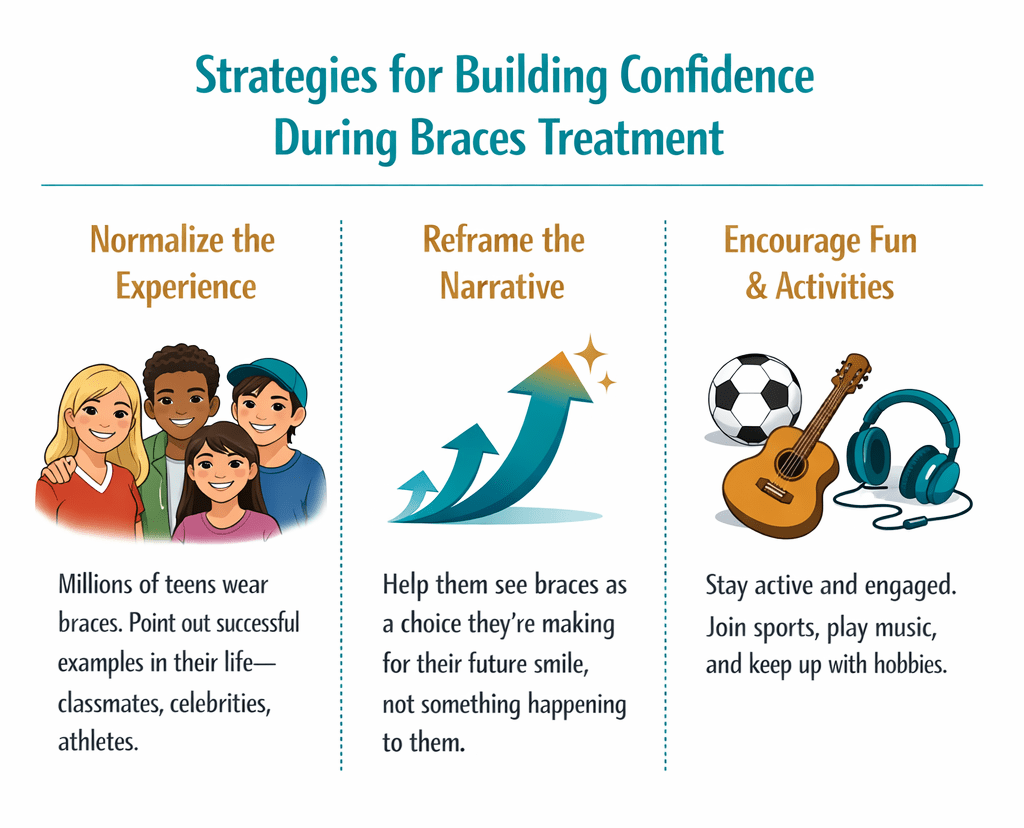
As a parent, navigating your teen’s orthodontic journey in the age of social media can be challenging. Open communication is key. Create a safe space where your teen feels comfortable expressing their feelings and concerns without judgment. Ask them about their experiences online and listen actively to their responses. Don’t dismiss their anxieties or tell them to simply "ignore" the negativity.
Talk to your kids about how fake social media is. Most of what they see is edited or filtered to death. I find it helps to point out these edits specifically so they stop comparing their real face to a digital lie. Hansen Orthodontics suggests focusing on who the kid is, not just how their teeth look this month.
Address any instances of brace-related bullying immediately. Work with your teen to document the harassment and report it to the social media platform. If the bullying is severe or persistent, consider involving the school or law enforcement. Remind your teen that they are not alone and that you are there to support them. It’s about fostering resilience and helping them develop a strong sense of self-worth.
- Talk often so they have a safe place to vent.
- Show them how filters and editing apps work so they see the strings.
- Address bullying: Take any instances of harassment seriously.
How orthodontists are changing their approach
Orthodontists are beginning to recognize the impact of social media on their patients' mental health and are adapting their approaches to care accordingly. Some practices are incorporating mental health support into their treatment plans, offering counseling or referrals to therapists specializing in body image issues. Others are focusing on patient education, helping teens understand the realities of social media and the importance of self-acceptance.
We’re also seeing a greater emphasis on aesthetic options, such as clear brackets and lingual braces, which are less visible than traditional metal braces. Virtual consultations are becoming increasingly common, allowing patients to discuss their concerns and explore treatment options from the comfort of their own homes. Online support groups are also emerging, providing a platform for teens to connect with others who are going through similar experiences.
The role of the orthodontist is evolving beyond simply straightening teeth. It’s about providing holistic care that addresses both the physical and emotional needs of the patient. While not all orthodontists are equipped to provide extensive mental health support, they can play a vital role in creating a positive and supportive treatment environment.



No comments yet. Be the first to share your thoughts!