

The Smile Preview: AI Filters and the New Era of Braces Visualization
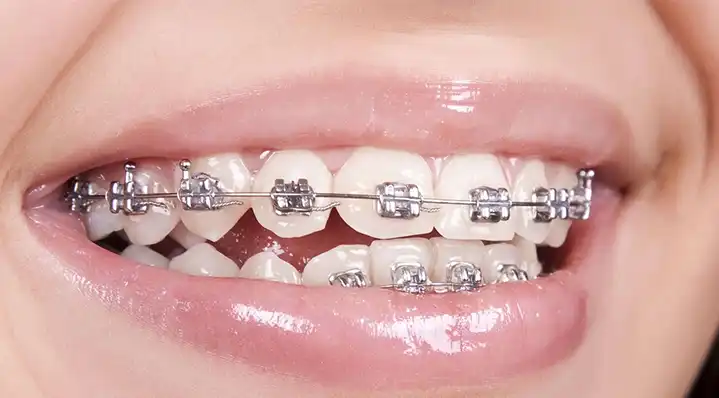
For many, the thought of braces brings a mix of anticipation and anxiety. What will they look like? How will they change my smile? AI offers a glimpse into the future. AI-powered filters are emerging that allow you to visualize how braces might look on your own face, before even scheduling a consultation with an orthodontist.
Tools like those offered by Pixelbin and OpenArt are remarkably accessible. They require no logins, no sign-ups, and operate directly in your web browser. You simply upload a photo, and the AI adds a realistic-looking set of braces. This isn’t about complex diagnostics, it’s about providing a visual preview, a way to reduce the initial uncertainty surrounding orthodontic treatment.
The impact on patient anxiety could be substantial. Seeing a potential outcome, even a simulated one, can empower patients to make more informed decisions. It allows for a more comfortable first conversation with an orthodontist, moving beyond vague descriptions to a concrete visual starting point. This also improves informed consent; patients have a better understanding of what they're signing up for.
It’s important to remember these filters are just that – filters. They aren’t precise predictions of your final result. Factors like tooth movement, bone structure, and the specific type of braces used all play a role. However, as a preliminary tool for visualization and easing anxieties, these AI filters represent a significant step forward. They’re a fun way to explore the possibility of a straighter smile, and a surprisingly helpful tool for initial consideration.

Beyond the Filter: AI-Driven Diagnostic Tools for Orthodontists
Consumer-facing filters grab headlines, but the real revolution is happening behind the scenes, in the hands of orthodontists. AI is not just about showing what braces might look like; it is about planning the most effective treatment with unprecedented accuracy. AI-powered tools are fundamentally changing the diagnostic process.
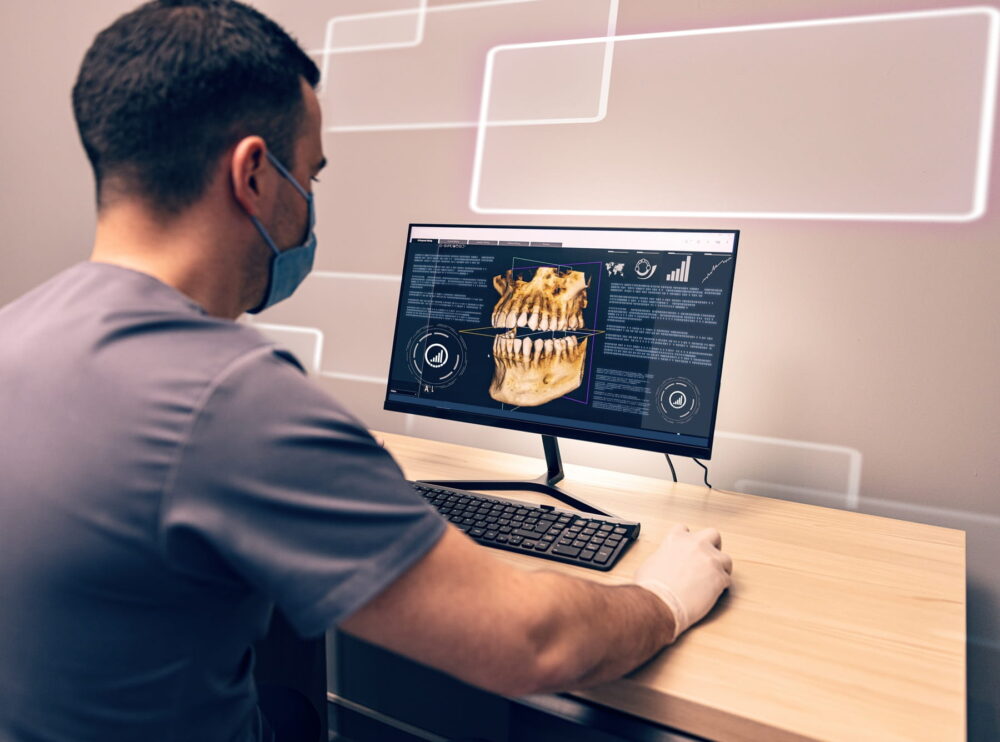
Traditionally, orthodontists rely on X-rays and physical examinations to assess a patient’s bite and jaw structure. Now, AI algorithms can analyze these images – and increasingly, 3D scans – to identify skeletal discrepancies and predict treatment outcomes. Software can highlight areas of concern that a human might overlook, particularly subtle asymmetries or bone structure issues.
This is not about replacing the orthodontist’s expertise; it is about augmenting it. AI processes vast amounts of data far more quickly and consistently than a human, reducing diagnostic errors. For example, AI precisely measures angles and distances on X-rays, providing a level of detail challenging to achieve manually. This precision is particularly valuable in complex cases.
Several companies are developing these AI-powered diagnostic tools. Specific names and features are constantly evolving, but the trend is clear: AI is becoming an indispensable part of the orthodontic workflow. Personalizing treatment plans based on AI-driven insights promises more predictable and efficient results. This is a shift from a one-size-fits-all approach to truly customized care.
Improved accuracy extends to predicting the long-term stability of treatment. AI analyzes a patient's bite and skeletal structure to assess the likelihood of relapse after braces are removed. This information allows orthodontists to make more informed decisions about retention strategies, minimizing the risk of teeth shifting back to their original positions.
Self-Adjusting Braces: The Promise of Automated Treatment
Imagine braces that automatically adjust themselves, responding to subtle changes within your mouth. This is not science fiction; it is the direction of development for "smart" braces – a technology poised to further revolutionize orthodontic treatment. The core idea is to move beyond manual adjustments toward a more dynamic, responsive system.
The concept relies on embedding tiny sensors within the braces. These sensors continuously monitor pressure, movement, and even bone density. This real-time data stream feeds into an AI algorithm, which calculates the optimal adjustments needed to move the teeth efficiently and comfortably. The braces then subtly alter their configuration, eliminating the need for frequent visits to the orthodontist.
This technology is still largely in the research and development phase, but the potential benefits are significant. Reduced treatment time, increased comfort, and fewer appointments are within reach. The automated adjustments could be more precise than manual adjustments, leading to more predictable outcomes. Some companies explore shape-memory alloys that respond to temperature changes, offering another avenue for automated adjustments.
Challenges exist. Miniaturizing sensors, ensuring durability, and developing reliable algorithms are ongoing hurdles. Powering these sensors is a consideration. undefined encouraging, and it’s likely we’ll see early versions of self-adjusting braces entering clinical trials within the next few years. This could be a game-changer for patients who struggle with the discomfort or inconvenience of traditional braces.
Remote Monitoring and the Rise of 'Teledentistry' for Braces
The convenience of remote monitoring is transforming the braces experience. No more disruptive appointments for minor adjustments or check-ups. Instead, AI-powered platforms are enabling orthodontists to track patient progress remotely, leveraging the power of teledentistry. This is particularly appealing for patients in rural areas or those with busy schedules.
The process typically involves patients submitting photos or short videos of their teeth through a dedicated app or online portal. AI algorithms then analyze these images, tracking tooth movement, identifying potential problems (like broken brackets or loose wires), and assessing overall treatment progress. The AI doesn’t replace the orthodontist, but it acts as an early warning system, flagging any issues that require attention.
Platforms like SmileDirectClub and Candid have pioneered this approach, though the specific AI algorithms used vary. The benefits are clear: reduced travel time, increased flexibility, and potentially lower costs. Patients can receive timely feedback and guidance without the need for frequent in-office visits. This is a significant shift towards patient-centric care.
However, concerns about data privacy and security are paramount. These platforms collect sensitive patient data – images of teeth, treatment plans, and personal information. It’s crucial to choose providers who prioritize data security and comply with relevant regulations like HIPAA. Understanding how your data is stored, used, and protected is essential.
Furthermore, the accuracy of AI-powered remote monitoring depends on the quality of the images submitted by patients. Clear, well-lit photos are essential for accurate analysis. Orthodontists still need to review the AI’s findings and make informed decisions about treatment adjustments. Teledentistry isn’t a replacement for in-person care, but a valuable supplement.
Predictive Analytics: Forecasting Treatment Duration and Outcomes
One of the biggest anxieties patients have is uncertainty about treatment duration. How long will I have to wear braces? AI is beginning to address this question with predictive analytics, using machine learning to estimate treatment timelines and outcomes. This isn’t about guaranteeing a specific result, but about providing a more realistic expectation.
Machine learning algorithms are trained on vast datasets of patient data – age, tooth position, bone density, bite characteristics, and treatment history. By analyzing these patterns, the AI can predict how a particular patient is likely to respond to treatment. This allows orthodontists to set more accurate timelines and tailor treatment plans accordingly.
For example, AI can identify patients who are likely to respond quickly to treatment, as well as those who may require a longer duration. It can also predict the likelihood of specific complications, allowing orthodontists to proactively address potential issues. Companies like OrthoAlign are developing software that uses AI to create personalized treatment plans based on these predictive models.
It’s important to be realistic about the limitations of these predictions. There are always individual variations, and unforeseen circumstances can arise. A However, by leveraging the power of data analysis, orthodontists can significantly improve their ability to forecast treatment outcomes and manage patient expectations. This leads to greater patient satisfaction and a more predictable treatment experience.
Furthermore, predictive analytics can help optimize treatment strategies. By simulating different treatment approaches, AI can identify the most efficient and effective plan for each patient, minimizing treatment time and maximizing results.
The Data Privacy Question: Safeguarding Your Smile's Information
As AI becomes more integrated into orthodontic care, the issue of data privacy takes center stage. These technologies rely on collecting and analyzing sensitive patient information – images of your teeth, 3D scans of your jaw, and detailed records of your treatment progress. Protecting this data is paramount.
The types of data collected vary depending on the specific technology used. AI-powered diagnostic tools require access to X-rays and scans, while remote monitoring platforms collect photos and videos. Treatment planning software stores detailed records of your bite and treatment plan. All of this data is potentially vulnerable to breaches and misuse.
Data is typically stored in secure cloud-based servers, and providers are obligated to comply with relevant regulations like HIPAA (in the United States). However, even with robust security measures, there’s always a risk of unauthorized access. It’s crucial to understand how your data is being used and what steps are being taken to protect it.
When choosing an orthodontic provider, ask about their data security policies. Do they encrypt your data? Do they have a clear privacy policy? Do they share your data with third parties? It’s also important to be aware of your own rights regarding your data – you have the right to access, correct, and delete your information. Being proactive about your data privacy is essential.
The increasing use of AI also raises ethical concerns about data ownership and algorithmic bias. Who owns the data generated by AI-powered orthodontic technologies? And how can we ensure that the algorithms used are fair and unbiased?
The Cost of the Future: Will AI Make Braces More Affordable?
One of the most pressing questions surrounding AI-powered braces is the impact on cost. Will these technologies lead to lower prices for patients, or will they simply add another layer of expense to an already significant investment? The answer is complex and still unfolding.
On one hand, AI has the potential to reduce costs by increasing efficiency and reducing errors. AI-powered diagnostics can streamline the treatment planning process, while automated adjustments can minimize the need for frequent appointments. This could translate to lower labor costs and shorter treatment times. Remote monitoring can also reduce overhead costs for orthodontists.
However, the initial investment in AI-powered technologies is substantial. Developing and implementing these systems requires significant resources. It’s possible that these costs will be passed on to patients, at least in the short term. The cost of AI-enhanced treatment could be higher than traditional braces, particularly for early adopters.
Currently, the cost of traditional braces ranges from $3,000 to $7,000, depending on the type of braces and the complexity of the case. It’s too early to say whether AI-powered braces will fall within this range or exceed it. The price will likely depend on the specific technology used and the provider’s pricing strategy. It’s a delicate balance between innovation and affordability.
As AI technologies become more widespread and competition increases, we may see prices come down. However, it’s important to be realistic about the potential costs and to discuss them openly with your orthodontist.
Medical Device & Orthodontic Technology Stock Comparison
Key players positioned for AI-powered orthodontic innovation - December 2024
| Asset | Current Price | 24h | 7d | 30d | Market Cap |
|---|---|---|---|---|---|
| Align Technology ALGN | $248.75 | +1.2% | +3.8% | -2.1% | $19.2B |
| DexCom DXCM | $78.45 | -0.8% | +2.1% | +8.7% | $30.4B |
| Intuitive Surgical ISRG | $485.20 | +0.5% | +1.9% | +4.3% | $172.8B |
| Edwards Lifesciences EW | $67.30 | -1.1% | -0.7% | +1.8% | $40.2B |
| Stryker Corporation SYK | $378.90 | +0.3% | +2.5% | +5.1% | $145.6B |
| Zimmer Biomet ZBH | $108.65 | -0.4% | +1.3% | +3.2% | $22.8B |
Analysis Summary
Align Technology leads the orthodontic space with direct exposure to AI-powered dental solutions, while larger medtech giants like Intuitive Surgical and Stryker offer diversified AI healthcare technology portfolios with higher market capitalizations.
Key Insights
- Align Technology (ALGN) is the pure-play orthodontic leader, best positioned to benefit from AI-enhanced braces and clear aligner innovations
- Intuitive Surgical commands the highest valuation at $172.8B, reflecting its dominance in AI-powered surgical robotics that could extend to orthodontic applications
- DexCom shows strong monthly momentum (+8.7%) as continuous monitoring technology becomes increasingly relevant for smart orthodontic devices
Stock prices reflect recent market data as of December 2024. Market capitalizations calculated using current share prices and outstanding shares. Performance data represents percentage changes over specified periods.
Disclaimer: Stock prices are highly volatile and subject to market fluctuations. Data is for informational purposes only and should not be considered investment advice. Always do your own research before making investment decisions.
Looking Ahead: The Long-Term Impact of AI on Orthodontics
The integration of AI into orthodontics is not a fleeting trend; it’s a fundamental shift that will reshape the field for years to come. While AI is unlikely to replace orthodontists entirely – the human element of care remains crucial – it will undoubtedly change their role and responsibilities.
Orthodontists will increasingly become data interpreters and treatment orchestrators, leveraging AI-powered tools to make more informed decisions. They’ll focus on the complex cases that require human judgment and empathy, while AI handles the more routine tasks. Continuous learning will be essential for orthodontists to stay ahead of the curve and effectively utilize these new technologies.
Looking further ahead, we can anticipate the development of even more sophisticated AI-powered orthodontic technologies. Nanobots that can precisely manipulate teeth, personalized treatment plans based on genetic predispositions, and fully automated self-adjusting braces are all within the realm of possibility. The field is ripe for innovation.
However, it’s crucial to address the ethical and societal implications of these advancements. Ensuring data privacy, preventing algorithmic bias, and promoting equitable access to care are all essential considerations. We must use AI responsibly and ethically, prioritizing patient well-being above all else. The future of orthodontics is bright, but it requires careful planning and thoughtful implementation.
Ultimately, the goal is to create a more efficient, effective, and patient-centric orthodontic experience. AI is a powerful tool that can help us achieve this goal, but it’s just one piece of the puzzle. The human touch – the empathy, the communication, and the personalized care – will always be at the heart of orthodontic treatment.
Potential Applications of AI in Orthodontics (2026)
| Application Area | Current Status (2024) | Projected Advancement by 2026 | Potential Benefits |
|---|---|---|---|
| Treatment Planning | AI assists in analyzing scans (CBCT, intraoral) to suggest initial bracket placement. | More sophisticated AI algorithms predict tooth movement with greater accuracy, minimizing treatment time. | Reduced treatment duration, improved predictability, and potentially fewer adjustments. |
| Predictive Analytics | Limited use of AI to forecast potential relapse post-treatment based on patient data. | AI models incorporate genetic factors and lifestyle data to provide personalized relapse risk assessments. | Proactive retention protocols tailored to individual patient needs, minimizing the chance of teeth shifting. |
| Monitoring & Adjustment | Remote monitoring via patient-submitted photos is emerging, with some AI-powered analysis of tooth position. | AI-driven platforms analyze real-time data from smart aligners or brackets, alerting orthodontists to necessary adjustments. | Reduced in-office visits, faster response to issues, and optimized treatment progress. |
| Diagnostic Imaging | AI algorithms assist in identifying anatomical landmarks and anomalies in radiographic images. | AI-powered image analysis automatically detects subtle skeletal and dental issues often missed by the human eye. | Earlier and more accurate diagnoses, leading to more effective treatment plans. |
| Personalized Bracket/Aligner Design | Software utilizes 3D modeling for custom bracket and aligner creation. | AI algorithms optimize bracket/aligner design based on individual tooth morphology and desired movements. | Improved fit, enhanced efficiency, and increased patient comfort. |
| Patient Communication & Education | Basic chatbots provide answers to frequently asked questions. | AI-powered virtual assistants offer personalized guidance on oral hygiene, dietary restrictions, and appointment scheduling. | Enhanced patient engagement, improved compliance, and better overall treatment experience. |
Illustrative comparison based on the article research brief. Verify current pricing, limits, and product details in the official docs before relying on it.

No comments yet. Be the first to share your thoughts!