

Braces in 2026: A New Look
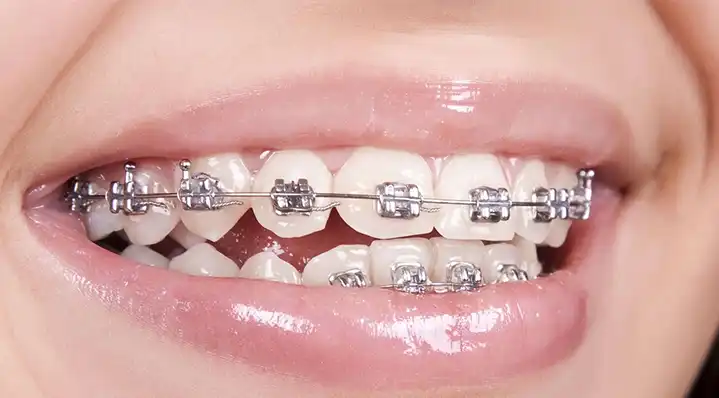
For decades, braces meant a mouth full of metal. Clear aligners like Invisalign offered a more discreet alternative. By 2026, braces will look and function very differently. We're moving beyond simply straightening teeth to proactive, data-driven treatment, powered by artificial intelligence.
The core change is about precision. Traditional braces rely on a dentist’s expertise and periodic adjustments. Invisalign introduced pre-planned tooth movements but still required frequent check-ins. Smart braces promise real-time monitoring and adjustment. This means potentially shorter treatment times, fewer appointments, and more predictable outcomes.
Advancements aren’t replacing existing methods entirely. Traditional braces will still have a place, especially for complex cases, and are being integrated with digital planning tools and improved materials. AI integration will impact all facets of treatment, from initial assessment to ongoing monitoring and adjustments. This is an exciting time for patients and orthodontists.
Sensors, data analytics, and advanced materials are converging to create a more personalized and efficient braces journey. The goal is a healthier bite and a more comfortable experience, not just a straighter smile. This is a fundamental rethinking of orthodontic treatment delivery.
AI-Driven Treatment Planning
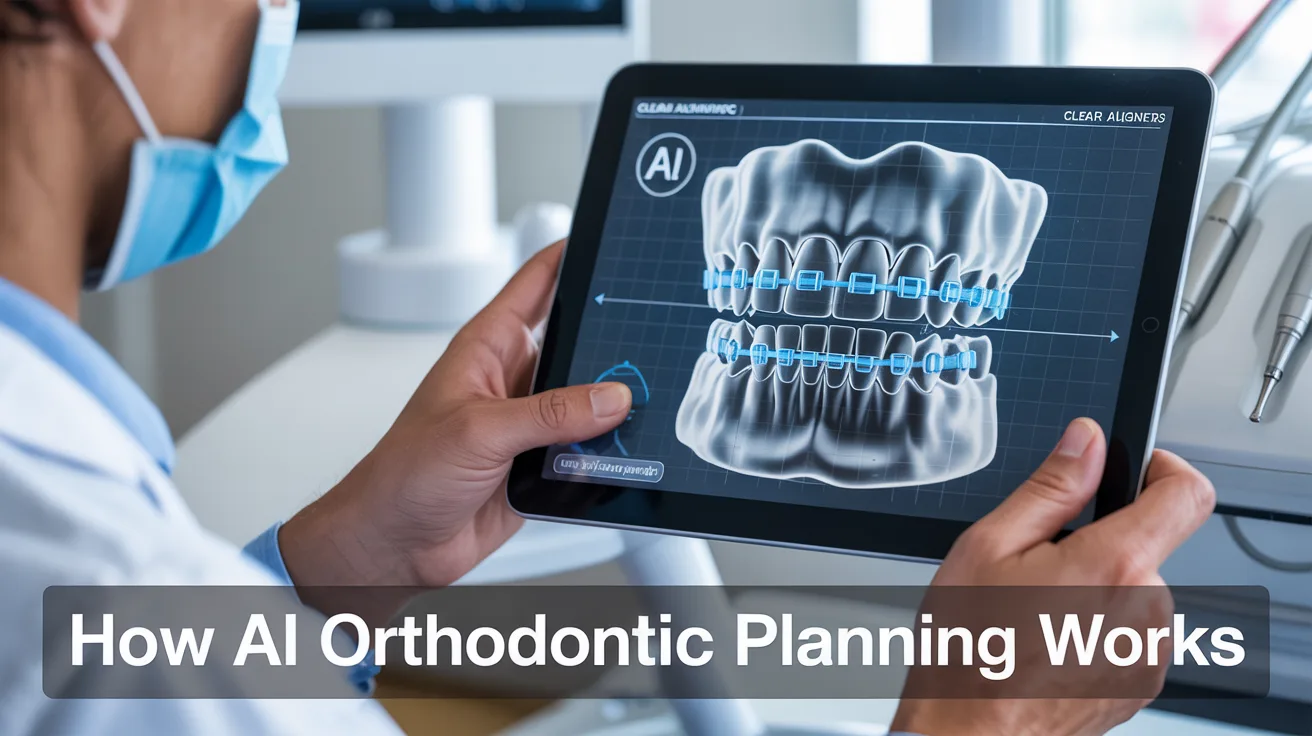
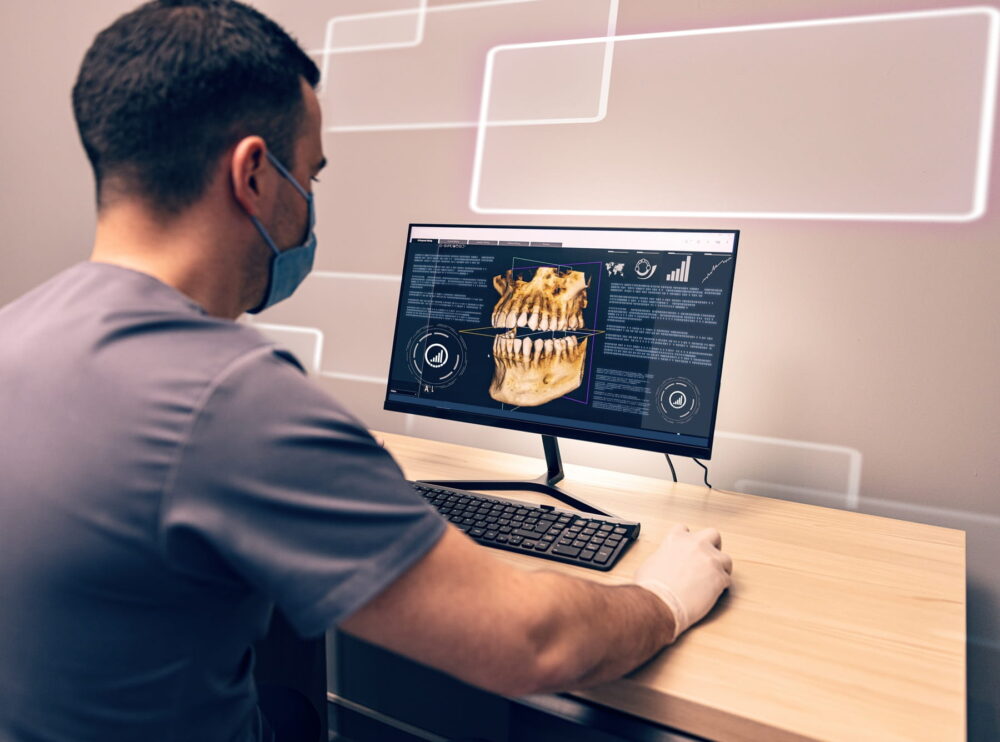
The first step in orthodontic treatment is assessment and planning. By 2026, AI will dramatically change this process. Orthodontists will use sophisticated algorithms to analyze dental scans—X-rays, cone-beam computed tomography (CBCT) scans, and 3D models of the teeth—with unprecedented detail.
These AI systems predict how teeth will move in response to different forces. They simulate the entire treatment process, identifying potential challenges and optimizing the treatment plan. Derek Damon Orthodontics is already applying AAO (American Association of Orthodontists) guidelines enhanced by these AI-powered analytical tools.
AI can identify subtle anatomical variations humans might miss, allowing for a more precise and personalized treatment plan. This leads to shorter treatment times—some studies suggest a reduction of up to 30-40%—and a lower risk of complications. It also allows orthodontists to set more realistic expectations.
AI isn’t replacing the orthodontist; it’s augmenting their expertise. The orthodontist still makes the final decisions, informed by data and insights from the AI. It’s a collaboration between human skill and machine intelligence. The software helps formulate a plan, but the doctor's clinical judgment remains essential.
Real-Time Monitoring & Adjustments
Smart braces can monitor tooth movement in real-time using tiny sensors embedded in the braces or attached to the teeth. These sensors measure metrics like the force applied to each tooth, the rate of tooth movement, and the patient’s bite force.
This data is transmitted wirelessly to the orthodontist, allowing remote progress tracking. This eliminates frequent in-office visits for minor adjustments. The orthodontist can make remote adjustments to the treatment plan, often through software controlling the braces’ actuators.
Proactive intervention is possible. If sensors detect a tooth isn’t moving as expected, the orthodontist can intervene immediately, preventing problems. This is important for complex cases or patients prone to complications. It’s a shift from reactive to preventative care.
With any technology that collects personal data, privacy is a concern. Orthodontic practices must implement robust security measures to protect patient information. Data encryption and secure data storage are essential, and patients should be fully informed about data usage. Transparency builds trust.
The Rise of 'Smart Wires'
Traditional braces use stainless steel wires that apply constant force. 'Smart wires' are a game-changer. These wires are made from shape-memory alloys—materials that remember their original shape and return to it when heated or exposed to an electrical current. Nickel-titanium alloys are most common.
Smart wires actively move teeth, rather than just passively applying pressure. They can be programmed to deliver precise forces at specific times, allowing for more controlled and efficient tooth movement. Some smart wires respond to body heat, while others can be activated remotely by the orthodontist.
Compared to traditional wires, smart wires offer advantages. They’re more comfortable, applying gentler forces. They require fewer adjustments, as the wire does much of the work. This can reduce treatment time and improve the patient experience.
Different types of smart wires have specific applications. Some are designed for initial leveling, others for closing spaces or rotating teeth. The choice of wire depends on the patient’s needs and the orthodontist’s treatment plan. They are used with traditional braces and clear aligners, expanding the capabilities of both.
Remote Orthodontic Care
Smart braces technology is enabling a shift towards remote orthodontic care. Telehealth platforms and AI-powered monitoring tools allow orthodontists to provide treatment without frequent in-office visits. This is beneficial for patients in rural areas or with busy schedules.
Patients can use smartphone apps to submit photos and videos of their teeth, which are then analyzed by the AI and reviewed by the orthodontist. The orthodontist can then make adjustments to the treatment plan remotely, often through software that controls the braces’ actuators. This reduces the need for in-person appointments to as little as once every few months.
The benefits of remote care are clear: convenience, cost savings, and increased access to care. However, it’s important to acknowledge the limitations. Remote care isn’t suitable for all patients, particularly those with complex cases or those who require frequent adjustments. A physical examination is still necessary at certain stages of treatment.
Forbes Health highlights the increasing popularity of remote orthodontic care, particularly with the rise of direct-to-consumer aligner companies. However, they also emphasize the importance of choosing a qualified orthodontist and ensuring that the treatment plan is tailored to your individual needs. It’s a powerful tool, but it’s not a substitute for professional care.
Predictive Analytics & Potential Problems
AI isn’t just about optimizing treatment plans; it’s also about predicting potential problems. By analyzing data from sensors and scans, AI algorithms can identify patterns that suggest a higher risk of complications, such as root resorption (the shortening of the tooth root) or gum recession.
For example, if the sensors detect that a tooth is being subjected to excessive force, the AI can alert the orthodontist, allowing them to adjust the treatment plan and prevent root resorption. Similarly, if the AI detects signs of inflammation in the gums, it can alert the orthodontist to the need for improved oral hygiene.
Machine learning plays a crucial role in this process. As the AI analyzes more data, it becomes better at identifying patterns and predicting problems. This leads to a continuous improvement in the accuracy and effectiveness of the predictive analytics.
While this technology is still relatively new, the potential benefits are significant. By proactively addressing potential problems, orthodontists can minimize the risk of complications and ensure a successful treatment outcome. It’s about shifting from a reactive approach to a preventative one, guided by data-driven insights.
Cost & Accessibility in 2026
The question on everyone’s mind: how much will all this cost? Smart braces technology is likely to be more expensive than traditional braces or Invisalign, at least initially. The cost will depend on a variety of factors, including the type of technology used, the complexity of the case, and the orthodontist’s fees.
The integration of AI and advanced sensors adds a significant premium. However, the potential for shorter treatment times and fewer appointments could offset some of these costs. It’s also possible that insurance coverage will expand to include these new technologies, making them more affordable.
Accessibility is another key concern. Will these advanced technologies be available to everyone, or will they create a divide in orthodontic care? It’s important to ensure that these innovations are not limited to patients who can afford them. Telehealth and remote monitoring could play a role in improving access to care for patients in underserved areas.
Financing options will likely become more common, allowing patients to spread the cost of treatment over time. Orthodontic practices may also offer payment plans or discounts. The cost will likely come down as the technology becomes more widespread and competition increases.
Orthodontic Treatment Comparison: 2026 Outlook
| Treatment Type | Cost | Treatment Time | Monitoring Frequency | Potential for Complications |
|---|---|---|---|---|
| Traditional Braces | Medium | Medium to Long | Periodic in-office visits | Medium |
| Invisalign | Medium to High | Medium | Periodic in-office visits, self-reporting | Low to Medium |
| AI-Powered Smart Braces | Medium to High | Potentially Shorter | Remote monitoring, AI-driven adjustments | Low |
| Traditional Braces | Medium | Requires diligent patient compliance | Regular adjustments by orthodontist | Medium – potential for bracket breakage, discomfort |
| Invisalign | Medium to High | Dependent on consistent wear | Requires regular check-ins and aligner changes | Low – primarily related to patient compliance |
| AI-Powered Smart Braces | Medium to High | Adaptive treatment plans based on real-time data | Continuous data collection and remote adjustments | Low – AI aims to proactively address potential issues |
| Traditional Braces | Medium | Typically 18-36 months | Every 4-8 weeks | Medium |
| Invisalign | Medium to High | Typically 12-18 months | Every 6-8 weeks | Low |
Illustrative comparison based on the article research brief. Verify current pricing, limits, and product details in the official docs before relying on it.
Looking Ahead: The Future of Braces
Beyond 2026, the future of braces technology looks incredibly promising. We can expect to see even more sophisticated sensors and AI algorithms, leading to even more precise and personalized treatment plans. The development of fully autonomous orthodontic treatment – where the braces automatically adjust themselves based on real-time data – is a distinct possibility.
We might also see the emergence of even more invisible braces, perhaps using materials that are completely transparent or that blend seamlessly with the teeth. And comfort will continue to be a major focus, with the development of even gentler and more flexible materials.
Ultimately, the goal is to make orthodontic treatment as comfortable, convenient, and effective as possible. The convergence of technology and clinical expertise is paving the way for a future where a straighter, healthier smile is within reach for everyone. It's a journey of constant innovation, and we're only just beginning to see the possibilities.

No comments yet. Be the first to share your thoughts!