

The AI-Powered Orthodontic Shift
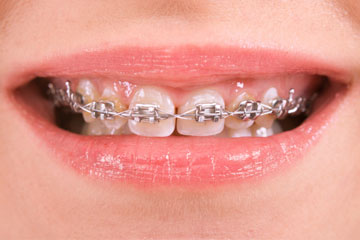
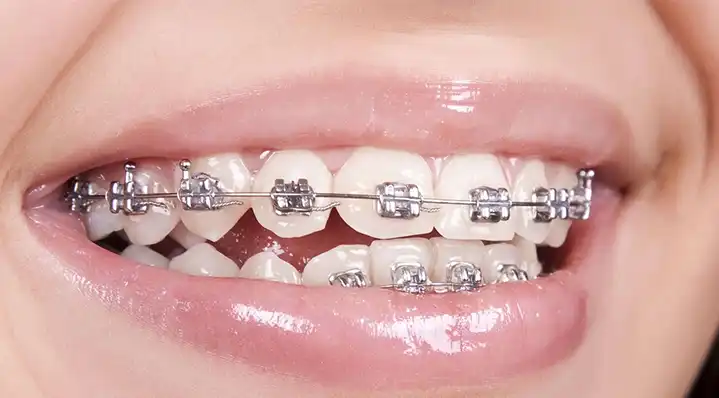
For decades, traditional braces have relied on a relatively static process: brackets bonded to teeth, connected by a wire that gradually applies pressure to shift teeth into alignment. While effective, this method isn't without its limitations. Treatment times can be lengthy, often stretching for one to three years, and achieving precise results requires frequent adjustments by the orthodontist. It's a process that, for many, involves discomfort and a degree of inconvenience.
But the world of orthodontics is undergoing a dramatic transformation, driven by advancements in artificial intelligence. We’re moving beyond a one-size-fits-all approach towards a future where treatment is highly personalized and optimized for each individual. This isn’t simply about speeding up treatment, though that’s certainly a benefit; it’s about making the entire experience more predictable, comfortable, and ultimately, successful.
By 2026, we're poised to see AI fully integrated into multiple facets of orthodontic care, from initial diagnosis and treatment planning to ongoing monitoring and adjustments. This integration, often called 'smart braces' technology, is changing how orthodontists approach tooth alignment. It's a shift that promises to address many of the shortcomings of traditional methods and deliver a new standard of care.
The core idea behind this revolution is leveraging the power of data and algorithms to predict tooth movement with greater accuracy. This allows for more efficient treatment plans, minimizing the need for frequent appointments and reducing the overall duration of braces. It’s a move toward proactive orthodontics, where potential issues are identified and addressed before they even become problems. It’s a really exciting time to be following this field.
Predictive Analytics and Treatment Planning
One of the most significant ways AI is impacting orthodontics is through predictive analytics. Traditionally, orthodontists create treatment plans based on their clinical experience, X-rays, and physical examinations. While skill and experience are invaluable, they can still be subject to human variability. AI algorithms offer a more objective and data-driven approach.
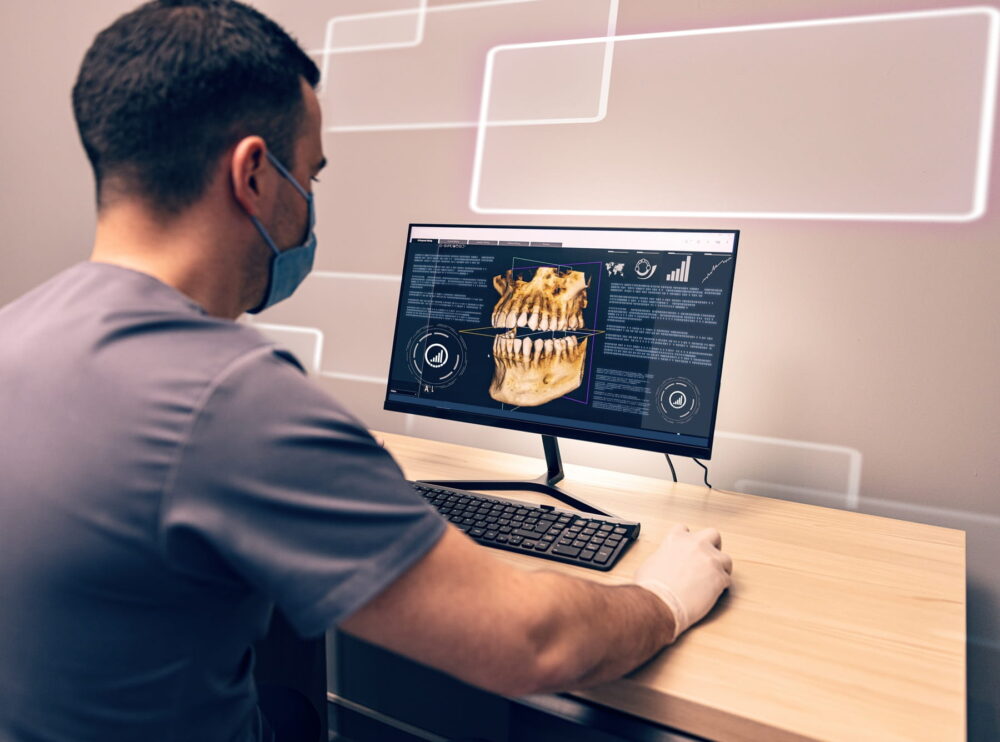
These algorithms are trained on massive datasets of patient scans – including Cone Beam Computed Tomography (CBCT) scans and intraoral scans – to learn the complex biomechanics of tooth movement. By analyzing these scans, AI can predict how teeth will respond to different forces and how long it will take to achieve the desired alignment. Gentle Dentistry SI highlighted in their 2026 outlook that this predictive capability is a major leap forward.
This level of precision minimizes the need for trial and error during treatment. Instead of making adjustments based on observed progress, orthodontists can anticipate the outcome of each adjustment and fine-tune the plan accordingly. This translates to shorter treatment times and fewer unexpected complications. The goal is to essentially simulate the entire orthodontic process before any brackets are even bonded.
I’m particularly interested in the potential of machine learning to identify patients who may be at higher risk of developing complications, such as root resorption or relapse. By flagging these cases early on, orthodontists can implement preventative measures and tailor the treatment plan to mitigate those risks. It’s about moving beyond reactive care and toward truly preventative orthodontics.
- Patient undergoes a CBCT or intraoral scan.
- AI algorithm analyzes the scan to create a 3D model of the patient's teeth and jaw.
- The algorithm predicts tooth movement based on various treatment options.
- Orthodontist reviews the AI-generated plan and makes necessary adjustments.
- Treatment begins, with ongoing monitoring and AI-powered adjustments.
Self-Adjusting Braces: The Rise of Automation
The concept of braces that can automatically adjust themselves sounds like something out of science fiction, but it’s rapidly becoming a reality. Researchers are exploring the integration of shape-memory alloys and micro-robotics into brace designs to create systems that respond dynamically to tooth movement.
Shape-memory alloys, like nickel-titanium, can deform under stress but return to their original shape when heated. This property can be harnessed to create braces that automatically apply a consistent force, even as teeth shift. Micro-robotic systems, on the other hand, offer even greater control over force delivery. These tiny robots can be programmed to make precise adjustments to the braces in response to real-time data.
However, fully autonomous braces are still some years away. Current limitations include the challenge of controlling force levels with sufficient precision and ensuring the durability of these complex systems. The YouTube video from Ortho Marketing in 2026 showcases some of the prototypes being developed, but they emphasize the need for further refinement. The energy source for these micro-robots is also a major hurdle.
Even incremental advancements in this area will be significant. Imagine braces that require fewer appointments because they can self-adjust based on the patient’s progress. While we aren’t at that point yet, the research is promising and suggests a future where orthodontic treatment is even more convenient and efficient. It’s a slow build, but the potential is huge.
Remote Monitoring and Teleorthodontics
AI-powered apps and remote monitoring are transforming the patient experience, making orthodontic care more accessible and convenient. These technologies allow patients to track their progress, identify potential issues, and communicate with their orthodontists remotely.
Many apps now utilize the smartphone camera and AI algorithms to analyze photos of the patient’s teeth. The AI can detect broken brackets, poor hygiene, and other potential problems, alerting both the patient and the orthodontist. This allows for timely intervention and prevents minor issues from escalating into more serious complications.
Teleorthodontics is particularly beneficial for patients in rural areas or those with limited mobility. It eliminates the need for frequent trips to the orthodontist’s office, saving time and money. Gire Orthodontics emphasizes the growing popularity of virtual consultations as part of this trend.
Of course, data privacy is a significant concern with remote monitoring. It’s crucial that these apps and platforms adhere to strict data security protocols to protect patient information. Transparency about data collection and usage is also essential. It is something patients should ask about when choosing an app or system.
- Progress tracking: AI analyzes photos to monitor tooth movement.
- Issue detection: Identifies broken brackets, poor hygiene, etc.
- Virtual Check-ins: Allows remote consultations with orthodontists.
- Personalized Guidance: Provides tailored advice and instructions.
Materials Science: Smarter Wires and Brackets
Advancements in materials science are playing a critical role in the development of smart braces. Researchers are creating new alloys that provide more consistent force delivery and reduce friction, leading to faster and more comfortable treatment.
Traditional stainless steel wires can lose their shape over time, resulting in inconsistent force application. New alloys, such as those incorporating copper and titanium, are designed to maintain their shape and deliver a more predictable force profile. This reduces the need for frequent wire changes and minimizes discomfort.
Brackets are also evolving. Some manufacturers are developing brackets with embedded sensors that can monitor pressure and tooth movement in real-time. This data can be used to optimize treatment and personalize the force applied to each tooth. These sensors also help orthodontists understand how individual patients respond to different forces.
Biocompatibility is a key consideration when developing these new materials. It’s essential that they are non-toxic and do not cause any adverse reactions in the patient’s mouth. Extensive testing is required to ensure the safety and long-term compatibility of these materials. This is an area where material science and orthodontic engineering work hand-in-hand.
AI and Personalized Comfort
One of the biggest complaints about traditional braces is discomfort. AI is being used to minimize this discomfort by optimizing bracket placement and archwire design.
AI algorithms can analyze a patient’s dental anatomy and identify areas where friction and pressure points are likely to occur. By strategically placing brackets and customizing archwire shapes, orthodontists can reduce these points and create a more comfortable treatment experience. This is a huge improvement over the trial-and-error approach of the past.
Personalized archwire designs are particularly promising. These designs are tailored to each patient’s unique tooth shape and alignment needs. AI can generate these designs based on 3D scans of the patient’s teeth, ensuring a precise fit and optimal force delivery. It’s about creating a treatment plan that’s truly customized to the individual.
I believe this is a really important area because reducing discomfort can significantly improve patient compliance. If braces are less painful, patients are more likely to adhere to their orthodontist’s instructions and achieve the best possible results. It's a small change with a big impact on the overall treatment experience.
The 2026 Outlook: Costs and Accessibility
The integration of AI into orthodontics will inevitably impact the cost of treatment. While it’s difficult to provide precise figures, it’s likely that AI-powered orthodontic treatment will initially be more expensive than traditional braces. The cost will reflect the investment in new technologies, software, and training.
However, as these technologies become more widespread, the costs are expected to decrease. Competition among manufacturers and increased efficiency should drive down prices over time. It’s also possible that insurance coverage will expand to include AI-powered orthodontic treatments, making them more affordable.
Accessibility is another important consideration. Will these technologies be available to everyone, or will they remain a premium option for those who can afford them? There’s a risk of creating a "tech divide" in orthodontic care, where patients with lower incomes are left behind.
Efforts are needed to ensure that AI-powered orthodontic treatment is accessible to all, regardless of their socioeconomic status. This could involve government subsidies, charitable programs, or the development of more affordable technologies. It’s important to avoid exacerbating existing health disparities. We need to be proactive in ensuring equitable access.
Comparison of Orthodontic Treatment Options - 2026 Outlook
| Treatment Type | Cost | Treatment Time | Comfort | Monitoring | Customization |
|---|---|---|---|---|---|
| Traditional Braces | Medium | Medium to Long | Low to Medium | Low (Requires regular in-office visits) | Medium |
| Clear Aligners | Medium to High | Medium | High | Medium (Remote monitoring options available) | High |
| Smart Braces | High | Potentially Shorter (AI-driven adjustments) | Medium to High (Initial placement may be less comfortable) | High (AI-powered remote monitoring & data analysis) | Very High (Highly personalized treatment plans) |
| Traditional Braces (with AI integration) | Medium | Medium to Long | Low to Medium | Medium (AI-assisted monitoring & adjustments during appointments) | Medium to High |
| Clear Aligners (with AI integration) | Medium to High | Potentially Shorter (AI-optimized treatment plans) | High | High (AI-powered remote monitoring & refinement) | Very High |
| Self-ligating Braces | Medium to High | Medium | Medium | Low (Requires regular in-office visits) | Medium |
Illustrative comparison based on the article research brief. Verify current pricing, limits, and product details in the official docs before relying on it.
Ethical Considerations and Data Security
The use of AI in healthcare raises important ethical considerations. One of the primary concerns is data privacy. AI algorithms require access to large amounts of patient data to function effectively, and this data must be protected from unauthorized access and misuse.
Robust data security protocols are essential, including encryption, access controls, and regular security audits. Transparency about data collection and usage is also crucial. Patients should be informed about how their data is being used and have the right to control their information.
Another potential issue is bias in AI algorithms. If the data used to train the algorithms is biased, the algorithms may perpetuate those biases, leading to unequal treatment outcomes. It’s important to ensure that the data is representative of the population and that the algorithms are regularly evaluated for bias.
Accountability is also a key concern. If an AI algorithm makes an error, who is responsible? It’s important to establish clear lines of accountability and ensure that there are mechanisms in place to address any harm caused by AI-driven errors. These are complex issues that require careful consideration and ongoing dialogue.


No comments yet. Be the first to share your thoughts!