

Surviving the first week
Getting braces is a big step, and honestly, the first week with them is often the toughest part. It’s not just about knowing what you can’t eat; it’s a complete adjustment to how you experience food. Expect some discomfort – your teeth are getting used to constant pressure, and that can make even soft foods feel a little strange. I remember feeling pretty overwhelmed when I first got my braces, and it’s perfectly okay to feel that way.
The pain after an adjustment is real. You'll want soft foods, and there's no reason to force yourself to chew through the ache. Pushing it only risks breaking a bracket. I found it easier to focus on just getting full, even if my dinner was a bowl of mashed potatoes and nothing else.
This isn't a forever diet, thankfully. It's a temporary phase of adaptation. Focus on getting enough protein, vitamins, and minerals from the foods you can eat. Smoothies, soups, and yogurt are your friends right now. Accept that you might be a little tired of those things after a few days, but they'll get you through the initial shock. Remember to drink plenty of water, too - staying hydrated helps with healing and overall comfort.
Foods to avoid immediately
Some foods are just off-limits. It isn't just about the bill for a broken bracket; it's about the pain of a wire poking your cheek. Anything hard, sticky, or crunchy is a threat to the hardware.
Sticky foods are a major culprit. Think gum, caramel, taffy, and even gummy candies. They cling to brackets and wires, making it incredibly difficult to clean and increasing the risk of cavities. Chewy foods like bagels, steak, and even certain types of bread can exert too much force on your braces, potentially causing them to break. Hard foods like nuts, ice, and hard candies pose a similar risk – they can easily pop off a bracket with a single bite.
Crunchy foods are also problematic. Popcorn is notorious for getting stuck between teeth and under brackets. Even seemingly safe foods like apples and carrots can be too hard. I've seen patients struggle with apples; the crispness can be surprisingly damaging. Be wary of foods with small, hard pieces, like granola or seeds. You really need to think about the texture of everything you put in your mouth.
Don’t underestimate the danger of seemingly harmless treats. Hard pretzels, crunchy cookies, and even certain types of chips can cause problems. If you’re unsure about a food, it’s always best to err on the side of caution and avoid it. Remember, a little temporary sacrifice is worth preventing a trip to the orthodontist for repairs.
- Gum
- Caramel
- Taffy
- Nuts
- Ice
- Hard candies
- Popcorn
- Bagels
- Steak
- Granola
- Hard Pretzels
Braces Red Light Foods
- Caramel - Extremely sticky and can pull brackets off your teeth.
- Popcorn - Kernels can get lodged between brackets and wires, and are difficult to remove. The hulls are also quite abrasive.
- Hard Candies - Like jawbreakers or lollipops, these can easily damage brackets or bend wires due to their hardness.
- Nuts (Whole) - Almonds, walnuts, and other hard nuts can exert significant force and potentially break brackets.
- Gum - Very sticky and adheres to brackets, making it difficult to remove and potentially damaging to your orthodontic work.
- Pretzels - Their hardness can cause brackets to detach, and they can be difficult to bite without damaging your braces.
- Beef Jerky - Tough and chewy, it can bend wires and put stress on brackets.
- Ice - Chewing on ice is a hard habit to break, but it can cause significant damage to your braces and teeth.
Foods that need extra prep
Some foods aren’t completely forbidden, but they require a more cautious approach. These are foods that can be eaten with modifications – cutting them into smaller pieces, cooking them until softer, or removing seeds and pits. The key is to minimize the stress on your braces and avoid any potential for damage.
Cooked vegetables are generally safe, but avoid anything with a tough skin or hard core. Soft fruits like bananas and peaches are good choices, but remove any pits or seeds. Certain meats, like shredded chicken or ground beef, are easier to manage than tougher cuts. Pizza can be okay, but cut it into small squares and avoid biting directly with your front teeth.
Corn on the cob is a classic challenge. I recommend cutting the kernels off the cob to avoid putting too much pressure on your brackets. Sandwiches are fine, but remove the crust and cut them into smaller pieces. Chewing carefully and avoiding biting down hard with your front teeth are crucial. Slow and steady wins the race when it comes to eating with braces.
What to put in your cart
You can still eat well. The goal is finding things that don't require heavy grinding or biting. Here is what I kept in my kitchen during those first few weeks.
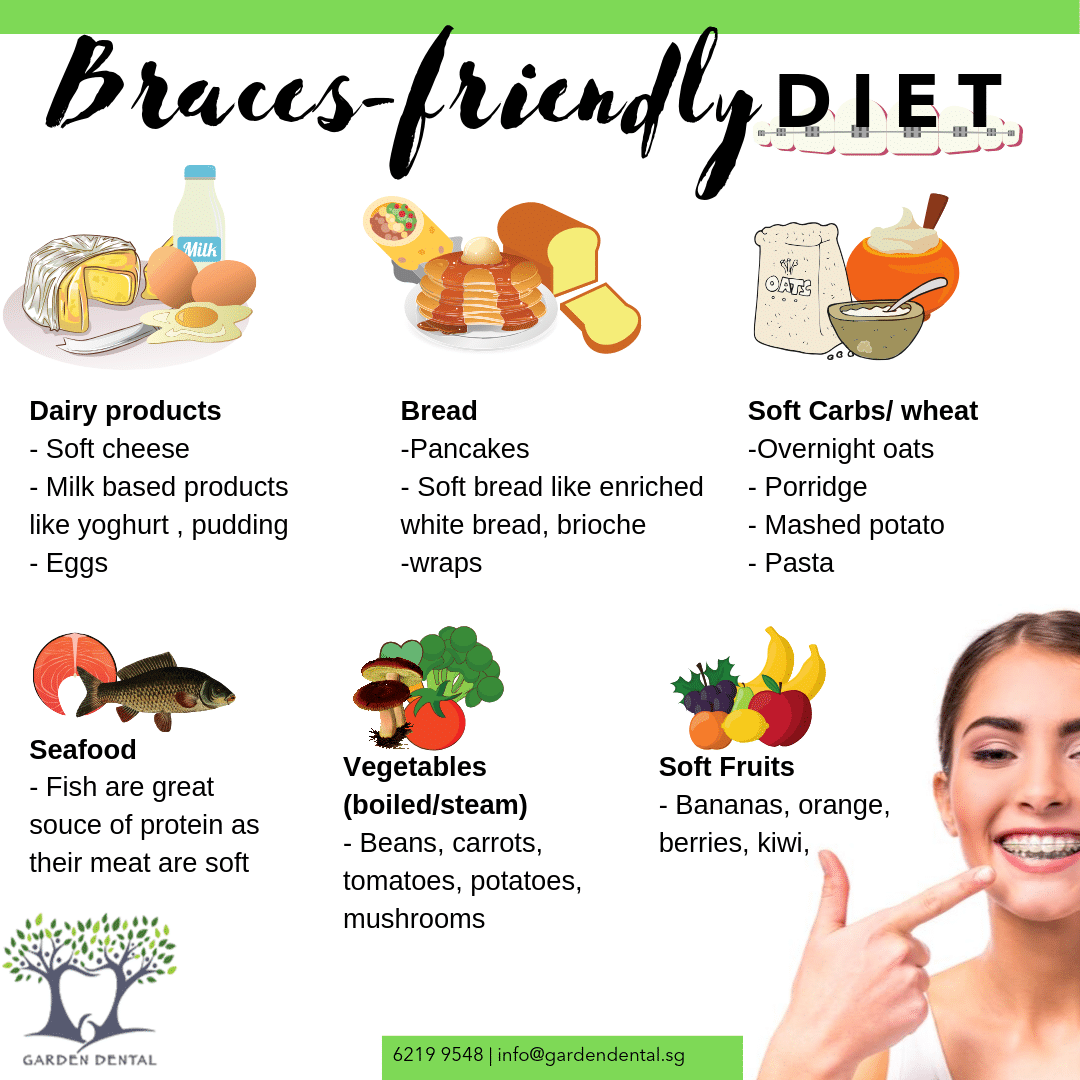
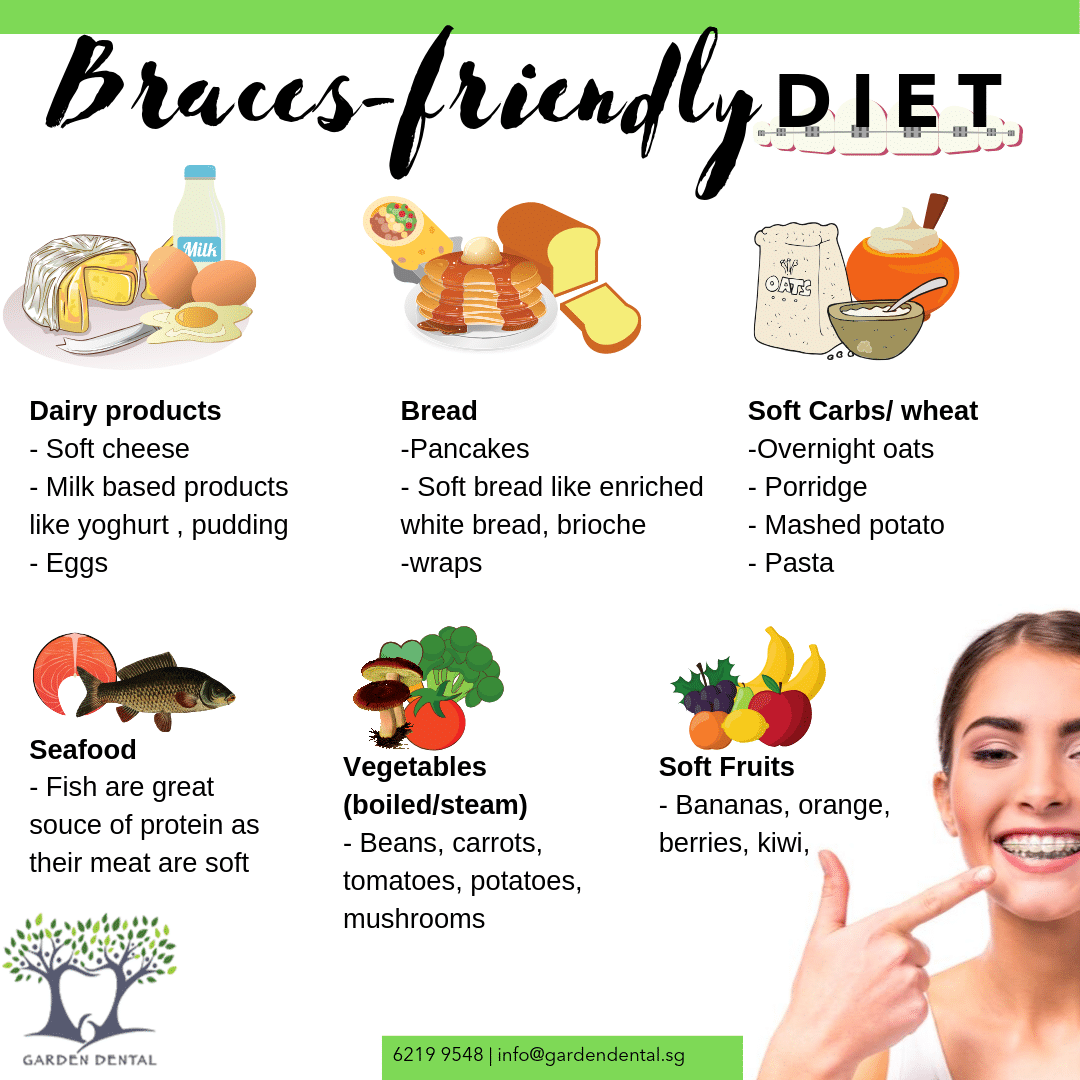
Breakfast: Yogurt (smooth or with soft fruit), oatmeal, scrambled eggs, cream of wheat, soft breakfast cereals (like Cheerios). Lunch: Soup (creamy tomato, chicken noodle), mashed potatoes, soft pasta salads, tuna salad (made with soft bread or crackers). Dinner: Soft pasta dishes (mac and cheese, spaghetti with meat sauce), baked potatoes (with toppings like sour cream and cheese), slow-cooked meats (shredded chicken or beef), steamed vegetables.
Snacks: Applesauce, pudding, yogurt, smoothies, soft fruits (bananas, peaches), cottage cheese. Don't forget about protein! Incorporate soft protein sources like yogurt, eggs, or shredded chicken into your meals. Calcium is also important for bone health, so include dairy products like milk, yogurt, and cheese.
Smoothies are a lifesaver during the first week. You can pack them with fruits, vegetables, yogurt, and even protein powder for a complete meal. Soups are another excellent option – they're hydrating, nutritious, and easy to swallow. The key is to be creative and find ways to enjoy your favorite flavors in a braces-friendly format. This doesn’t have to feel restrictive; it’s an opportunity to explore new recipes and ways of eating.
Food Safety with Braces: First Month Guide
| Food Category | Food Item | Safety Rating | Notes |
|---|---|---|---|
| Dairy | Soft Cheese (e.g., cottage cheese, ricotta) | Green | Excellent source of calcium and gentle on braces. Avoid hard cheeses initially. |
| Fruits | Bananas | Green | Soft and easy to eat. A good source of potassium. |
| Vegetables | Mashed Potatoes | Green | Ensure they are smooth and not too hot. Avoid chunks that could get lodged in brackets. |
| Proteins | Shredded Chicken | Yellow | Cut into small, manageable pieces. Avoid tough or chewy meats. |
| Grains | Oatmeal | Green | Cooked until soft. Avoid adding nuts or seeds in the first week. |
| Dairy | Yogurt (smooth) | Green | Provides calcium and probiotics. Avoid yogurts with granola or fruit pieces. |
| Fruits | Applesauce | Green | A good alternative to whole apples. Choose unsweetened varieties. |
| Proteins | Eggs (scrambled) | Yellow | Soft and nutritious, but avoid overcooking to prevent dryness. |
Illustrative comparison based on the article research brief. Verify current pricing, limits, and product details in the official docs before relying on it.
Simple recipes for a sore mouth
Let’s get practical. Here are three simple recipes designed to be gentle on sore mouths during your first week with braces. These recipes require minimal chewing and focus on soft, comforting ingredients.
Creamy Tomato Soup: Sauté 1 clove of garlic in olive oil. Add a 28-ounce can of crushed tomatoes, 4 cups of vegetable broth, and a pinch of sugar. Simmer for 20 minutes, then blend until smooth. Stir in 1/2 cup of heavy cream and season with salt and pepper to taste. Smoothie Recipe: Blend 1 banana, 1/2 cup of frozen berries, 1/2 cup of yogurt, and 1/4 cup of milk until smooth. Add a spoonful of protein powder for an extra boost.
Soft Pasta Dish: Cook 8 ounces of small pasta (like ditalini or orzo) according to package directions. Drain and toss with 1/2 cup of ricotta cheese, 1/4 cup of grated Parmesan cheese, and 2 tablespoons of butter. Season with salt and pepper to taste. These recipes are just starting points – feel free to adjust them to your liking. The main goal is to create meals that are easy to eat and provide the nutrients you need.
Managing the ache
Managing discomfort is just as important as choosing the right foods. Staying hydrated is crucial, especially in the first few days after getting your braces adjusted. Water helps soothe sore gums and promotes healing. Avoid sugary drinks, as they can contribute to cavities.
Cold drinks can provide temporary relief from pain and inflammation. Sucking on ice chips (carefully!) can also be helpful. Salt water rinses (1/2 teaspoon of salt in 8 ounces of warm water) can help reduce swelling and prevent infection. Over-the-counter pain relievers like ibuprofen or acetaminophen can be used as needed, but always follow the dosage instructions on the label. If your pain is severe or doesn’t improve, contact your orthodontist.
When food gets stuck
It’s inevitable: at some point, food will get lodged in your braces. Don't panic! This is a common occurrence, and there are ways to safely remove the food particles. The first step is to try flossing. Use a floss threader to get the floss under the archwire and gently work it between your teeth.
If flossing doesn't work, try using an interdental brush (also known as a proxy brush). These small brushes are designed to clean between teeth and under brackets. A water flosser can also be very effective at dislodging food particles. If you’re unable to remove the food yourself, or if it’s causing significant discomfort, contact your orthodontist. Don't try to force anything out, as you could damage your braces.
- Try a floss threader to get under the wire.
- Use an interdental brush.
- Try a water flosser.
- If you can't remove the food, contact your orthodontist.
No comments yet. Be the first to share your thoughts!