

Resetting your hygiene routine
Maintaining braces requires more discipline than it used to. If your routine slipped over the last few years, now is the time to tighten up your hygiene habits to avoid permanent staining or gum issues.
This isn’t about panic, but about adapting to a new normal. We’ve all become more conscious of preventing the spread of illness, and that translates directly to taking extra care with braces maintenance. It’s also true that orthodontic offices faced closures and appointment adjustments, which may have led to gaps in treatment for some. Consider this guide a resource for navigating these changes and ensuring your braces journey stays on track.
The core principles of braces hygiene remain the same – thorough cleaning and regular check-ups – but the details have been refined. We’ll cover everything from appointment expectations to the tools you need for a superior clean, all with the current environment in mind. It’s about being proactive and informed to protect your investment in a healthy, beautiful smile.
What to expect at the clinic
Orthodontic appointments aren't quite the same as they were pre-pandemic. You can generally expect some changes to the clinic environment and pre-appointment procedures. Many offices now incorporate pre-screening protocols, which might include a temperature check upon arrival and a health questionnaire asking about recent illness or exposure. Be prepared to answer these questions honestly and accurately.
The clinic itself is likely to look a bit different too. Increased ventilation is common, as are spaced-out chairs in the waiting room to promote social distancing. Contactless check-in procedures – using online forms or a mobile app – are also becoming more widespread. These measures are designed to minimize risk for both patients and staff.
It’s also important to be realistic about potential appointment delays. While most offices are back to a more regular schedule, backlogs may still exist. Don't hesitate to communicate with your orthodontist’s office if you have concerns about scheduling or if you've experienced any disruptions to your treatment plan. It’s far better to address potential issues proactively than to let them escalate. Things aren't exactly back to normal, so flexibility is key.
- Expect a pre-appointment health screening.
- Be prepared for contactless check-in.
- Call ahead to check for scheduling backlogs.
Better ways to clean
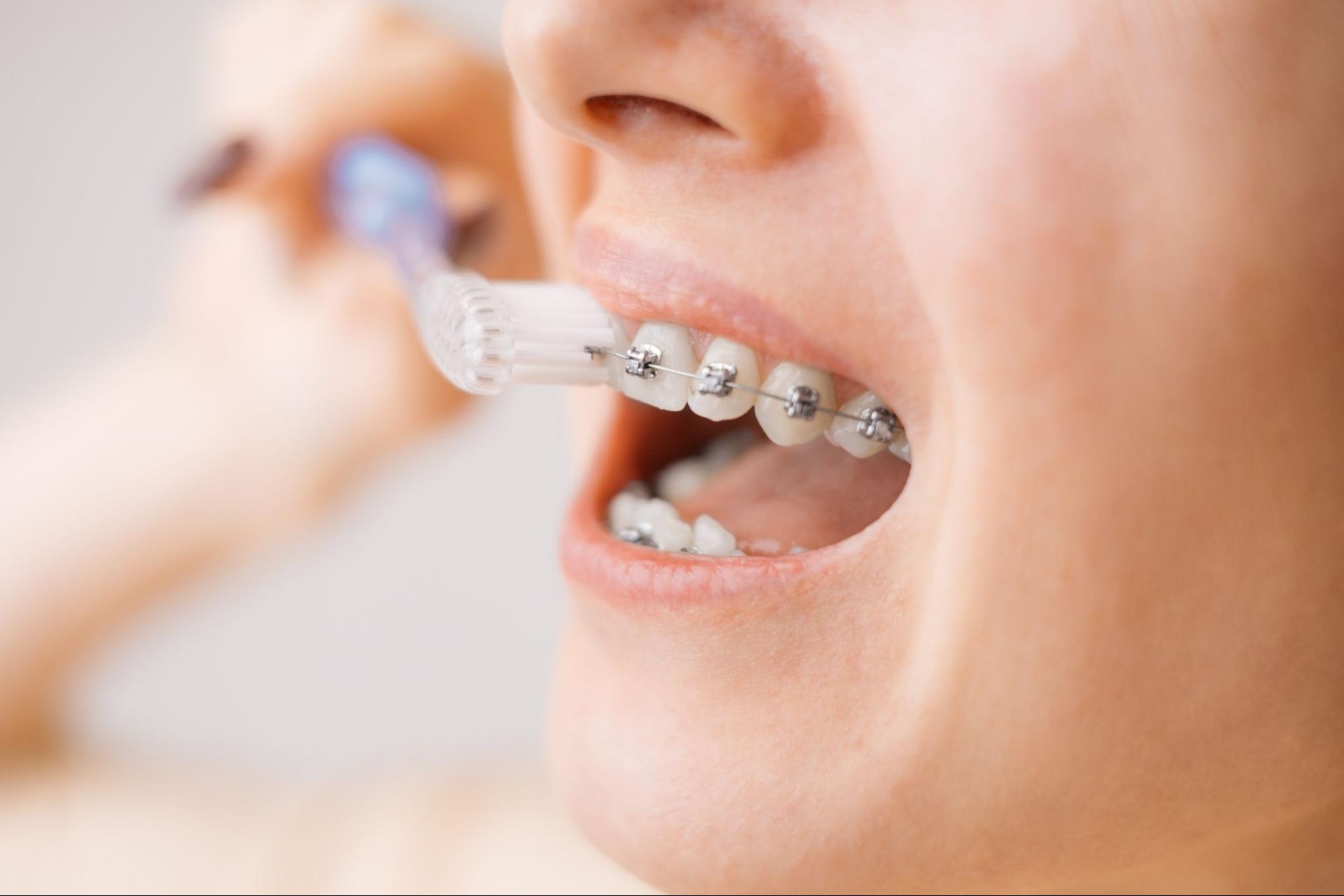
A rigorous cleaning routine is always essential with braces, but it’s even more critical now. Let's break down the steps, remembering that thoroughness and time are your allies. Start with brushing – use a soft-bristled toothbrush and angle it 45 degrees towards the gumline. Brush gently in circular motions, making sure to clean around each bracket and under the wires. An electric toothbrush, like an Oral-B iO Series or a Philips Sonicare, can be a valuable tool, offering consistent power and precise cleaning.
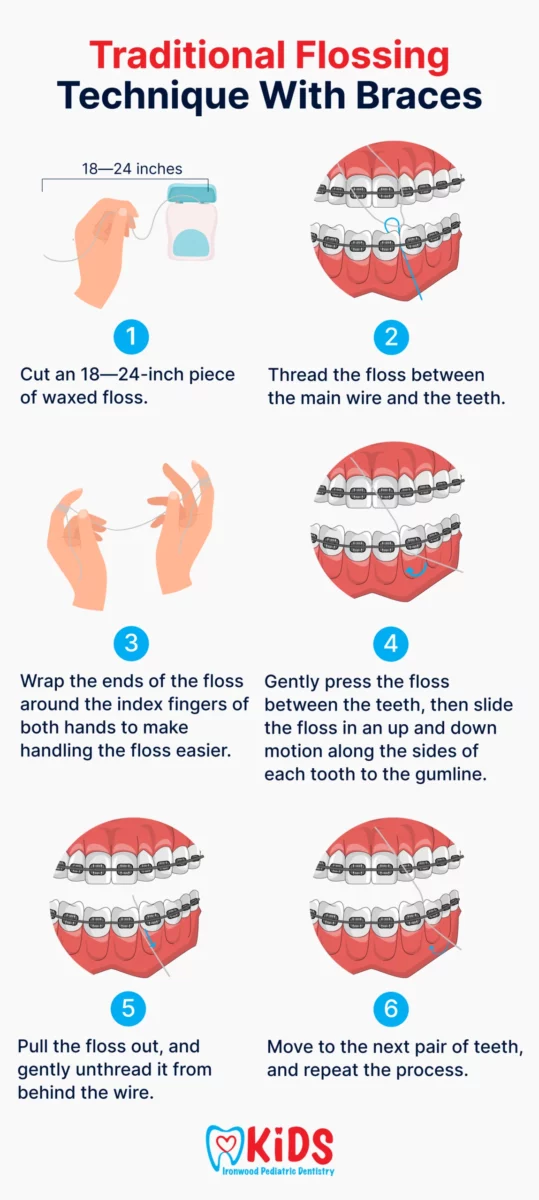
Next comes flossing, arguably the most challenging part of braces hygiene. Traditional floss can be difficult to maneuver around brackets, so consider using floss threaders. These handy tools help you guide the floss under the archwire and between your teeth. Floss picks are another option, offering convenience but potentially sacrificing some effectiveness. Water flossers, such as Waterpik, are also popular, but they should be used in addition to traditional flossing, not as a replacement. They are great for removing loose debris but don’t provide the same close cleaning as floss.
Don’t overlook interdental brushes, also known as proxabrushes. These small brushes are designed to clean between teeth and around brackets, reaching areas that floss might miss. They come in various sizes, so choose one that fits comfortably between your teeth. Finally, a fluoride mouthwash can help strengthen enamel and prevent cavities. Consider a mouthwash specifically designed for braces wearers, like ACT Anticavity Fluoride Rinse.
The type of braces you have also impacts your cleaning approach. Metal braces require careful attention to each bracket. Ceramic braces, being more easily stained, demand even more diligent cleaning. Lingual braces, on the inside of your teeth, are harder to reach and may require specialized cleaning tools. Regardless of the type, aim to spend at least five minutes cleaning your teeth after every meal.
Mouthwash: Beyond Fresh Breath
Mouthwash isn't just about fresh breath; it plays a valuable role in braces hygiene. Fluoride mouthwashes, like ACT Anticavity, help strengthen enamel and prevent cavities, which are a greater risk with braces due to the difficulty of cleaning. Antimicrobial mouthwashes can help reduce bacteria in the mouth, which can contribute to gum disease. However, it’s important to choose the right type of mouthwash.
Alcohol-containing mouthwashes can potentially dry out your mouth and even damage brackets over time. Look for alcohol-free options whenever possible. While some orthodontists recommend specific brands, the key is to choose a mouthwash that doesn’t interfere with your treatment. Mouthwash should complement brushing and flossing, never replace them.
Fluoride mouthwash used after brushing helps protect enamel in hard-to-reach spots. If you have sensitive gums, stick to alcohol-free versions to avoid irritation. Check with your orthodontist to see if they prefer a specific brand for your bracket type.
Flossing Tool Comparison for Braces
| Ease of Use | Effectiveness | Cost | Best For (Braces Type) |
|---|---|---|---|
| Requires dexterity; can be difficult to maneuver around brackets. | Very effective at removing plaque and debris *between* teeth and under the archwire. | Generally low. | All braces types, with practice. |
| Simplifies flossing by guiding floss under archwire; requires some dexterity. | Effective, especially for cleaning under the archwire where traditional floss struggles. | Moderate; cost of threaders in addition to floss. | Traditional metal braces, ceramic braces. |
| Convenient and easy to use, especially for those with limited dexterity. | Good for removing larger food particles, but may not be as effective at removing plaque under the gumline. | Moderate. | All braces types, especially for quick cleaning between meals. |
| Easy to use; requires minimal dexterity. | Effective at flushing out debris and stimulating gums, but may not remove sticky plaque as effectively as floss. | Higher initial investment; replacement tips add to long-term cost. | All braces types; good for patients with difficulty using traditional floss or floss threaders. |
| Can be challenging to use effectively around brackets. | Effective at removing plaque and debris, but requires careful technique. | Low. | Lingual braces (requires significant practice). |
Qualitative comparison based on the article research brief. Confirm current product details in the official docs before making implementation choices.
Dietary Considerations: Protecting Your Investment
Sticky foods like caramel and taffy pull brackets off teeth, while hard items like ice or nuts can bend the archwire. Popcorn is also risky because hulls get trapped under the gums where you can't reach them. Stick to softer options to avoid emergency repair appointments.
Prioritize soft, easy-to-chew foods like yogurt, soup, mashed potatoes, and scrambled eggs. These foods are gentle on your braces and won’t cause any damage. Cutting food into smaller pieces can also make it easier to eat. The pandemic led to a lot more home cooking and comfort food consumption, which might have included some braces-unfriendly options. Now is a good time to reassess your eating habits and make sure you’re making choices that support your orthodontic treatment.
Sugary foods are particularly harmful, as they contribute to plaque buildup and increase the risk of cavities. Limit your intake of sugary drinks, candies, and desserts. Remember, braces make it harder to clean your teeth, so sugar can have a more significant impact on your oral health.
- Avoid sticky foods (caramel, gum, taffy).
- Avoid hard foods (nuts, ice, hard candies).
- Avoid crunchy foods (popcorn, chips).
- Prioritize soft, easy-to-chew foods.
Recognizing & Addressing Problems
Even with the best care, problems can arise during braces treatment. Broken brackets, poking wires, and sore gums are common issues. If you experience a broken bracket or a poking wire, contact your orthodontist immediately. Attempting to fix these problems yourself can cause further damage. Sore gums are often a sign of inflammation and can usually be managed with warm salt water rinses, but if the soreness persists, consult with your orthodontist.
The pandemic may have delayed some people from seeking treatment for these issues. Don’t hesitate to schedule an appointment if you’ve been putting it off. Early intervention can prevent minor problems from becoming more serious. Regular check-ups are essential for monitoring your progress and addressing any concerns. Your orthodontist can identify potential issues before they become major problems.
It’s important to be proactive about your oral health. If you notice any changes in your braces or experience any discomfort, don’t ignore it. Contact your orthodontist’s office and schedule an appointment as soon as possible. Ignoring a problem can prolong your treatment and potentially lead to more complex issues.
Braces-Friendly Foods
- Breakfast - Yogurt provides calcium and protein, crucial for dental health during orthodontic treatment. Opt for plain varieties to minimize sugar intake.
- Breakfast - Oatmeal, cooked to a soft consistency, is gentle on braces and a good source of fiber.
- Lunch - Soups, particularly cream-based or broth-based, are easy to consume and hydrating. Avoid soups with hard vegetables or noodles.
- Lunch - Soft sandwiches, with fillings like sliced turkey or chicken and without crunchy vegetables or hard crusts, offer a convenient and protein-rich option.
- Dinner - Mashed potatoes are easily digestible and require minimal chewing, making them ideal for those with braces.
- Dinner - Pasta, cooked until tender, is a versatile and braces-friendly dinner choice. Avoid tough or chewy pasta shapes.
- Snacks - Fruit purees (applesauce, banana puree) provide essential vitamins and are gentle on braces.
- Snacks - Smoothies, made with soft fruits and yogurt, are a nutritious and easy-to-consume snack. Ensure there are no seeds or small pieces that could get lodged in braces.
Long-Term Care & Retention
Removing braces is a significant milestone, but it’s not the end of the journey. Retainers are essential for maintaining your newly straightened smile. Without retainers, your teeth can gradually shift back to their original positions. There are two main types of retainers: fixed retainers, which are bonded to the back of your teeth, and removable retainers, which you wear at night.
Caring for your retainers is crucial. Removable retainers should be cleaned daily with a toothbrush and mild soap. Fixed retainers require careful cleaning around the bonded wire. Your orthodontist will provide specific instructions on how to care for your retainers.
Retention is a lifelong commitment. While the frequency of retainer wear may decrease over time, it’s important to continue wearing them as directed by your orthodontist. Braces are an investment in your long-term oral health and confidence, and retainers are the key to preserving that investment. A straight smile is a beautiful thing, and with proper care, you can enjoy it for years to come.

No comments yet. Be the first to share your thoughts!