

What to expect on day one
The installation process itself is quick and painless. An orthodontist typically spends one to two hours cleaning your teeth, applying a special adhesive, and bonding the brackets to each tooth. Once the brackets are in place, the archwire is threaded through, and the braces are secured with small elastic bands. You will leave the office with a full set of hardware on your teeth, but without the sharp discomfort often associated with dental work.
The most noticeable sensation in the first 24 hours is pressure, not sharp pain. As the braces begin to apply gentle force to shift your teeth, you may feel your teeth becoming tender or sore. This is a normal part of the process, indicating that the orthodontic treatment is actively working. The sensation is similar to the feeling after a good workout, where muscles feel tight and sore rather than injured. Most patients describe the experience as an unusual tightness that makes chewing feel different.
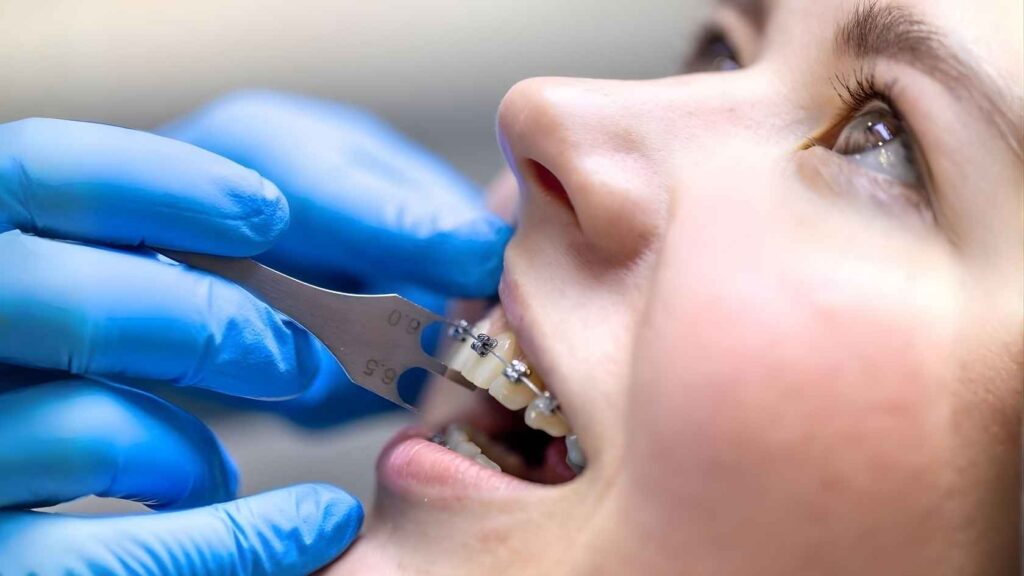
To manage this initial sensitivity, stick to soft foods for the first few days. Foods like yogurt, mashed potatoes, smoothies, and scrambled eggs are easy to eat and require minimal chewing. Avoid hard, crunchy, or sticky foods that can damage the newly bonded brackets or increase discomfort. Over-the-counter pain relievers can help if the tenderness becomes bothersome, but many people find they can manage with just a few days of adjustment.
Soft foods to eat during your first week
The first few days after getting braces are when your teeth are most sensitive. Chewing hard, crunchy, or sticky foods can bend wires, pop brackets off, or simply hurt. Stick to soft foods that require little to no chewing to protect your new hardware and keep discomfort to a minimum.
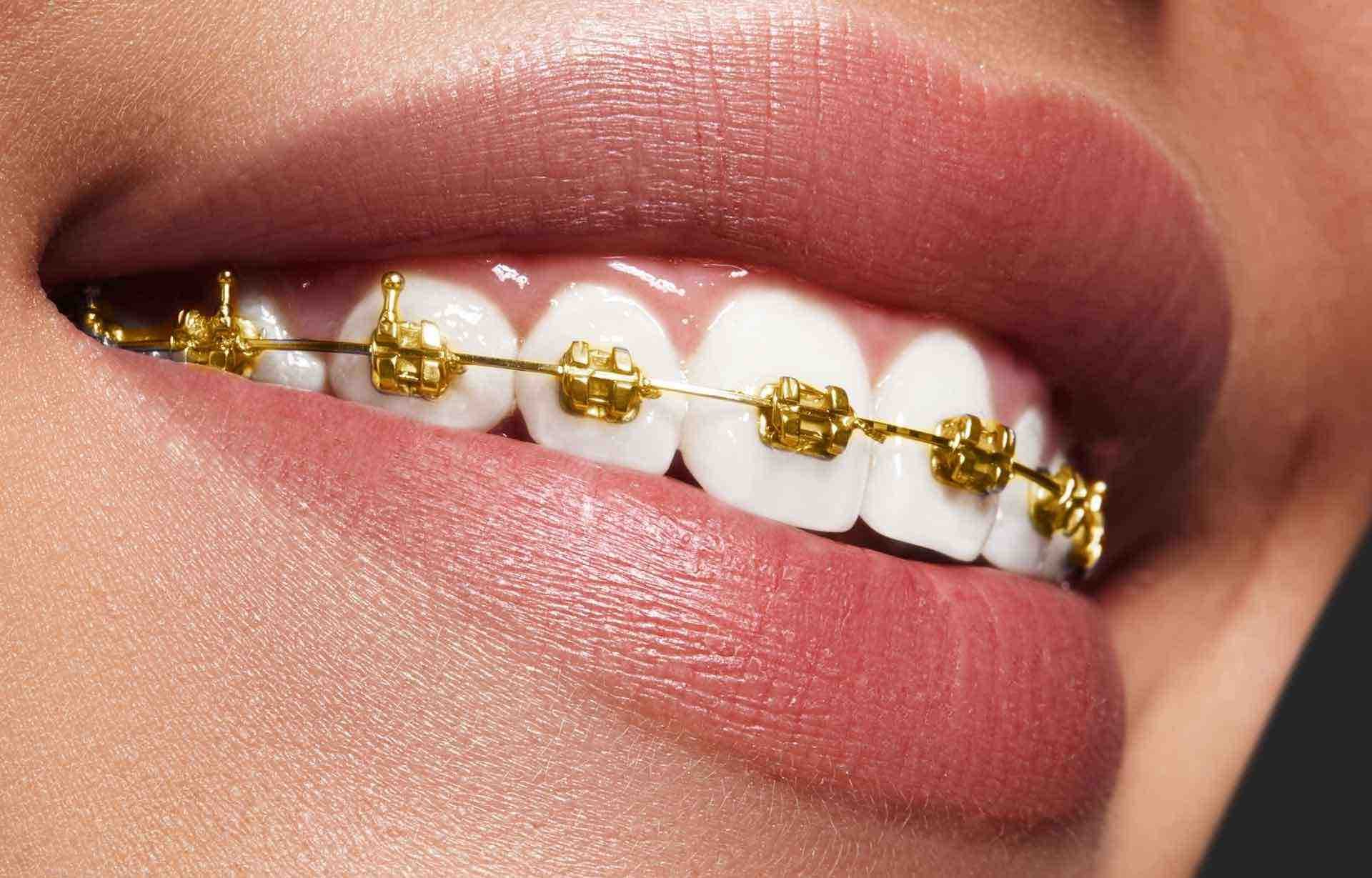
Avoid hard nuts, popcorn, chewy candy, and crunchy chips. These foods are the primary cause of broken brackets in the first week. If you must eat something slightly firmer, cut it into tiny, bite-sized pieces and chew slowly with your back teeth.
Stick to this soft diet for at least three to five days, or until your tenderness subsides. Your teeth will adjust, but protecting your braces now prevents costly repairs later.
Manage soreness and pain
Your mouth will feel tender for the first few days after getting braces. The pressure from the wires and brackets is new to your teeth and gums. This discomfort is normal and usually peaks 24 to 72 hours after adjustment. You can manage this soreness with a few simple, safe steps.
Most soreness fades within a week. If pain persists or you notice significant swelling, contact your orthodontist for advice.
Daily hygiene routine with braces
Establishing a strict cleaning routine is the most effective way to prevent white spots (decalcification) and gum inflammation while your teeth are moving. Orthodontic brackets trap plaque far more easily than natural tooth surfaces, making thorough cleaning non-negotiable. The American Dental Association recommends brushing after every meal to remove food particles lodged in wires and brackets.
Step 1: Brush after every meal
Brush your teeth for at least two minutes after each meal and before bed. Use a soft-bristled toothbrush and fluoride toothpaste to strengthen enamel. Angle the bristles at 45 degrees toward the gumline to clean under the wires. Brush the front, back, and chewing surfaces of each tooth, paying extra attention to the areas around the brackets where plaque accumulates most.
Step 2: Floss daily with orthodontic tools
Standard floss often cannot navigate around wires, so use a floss threader or orthodontic flossers. Slide the threader under the wire and pull the floss down to clean between the teeth and below the gumline. This step is critical for removing debris that brushing misses. Floss at least once a day, preferably before bed, to prevent gum disease and cavities between teeth.
Step 3: Rinse with water or mouthwash
After brushing and flossing, rinse thoroughly with water to wash away loosened food particles. An alcohol-free fluoride mouthwash can provide additional protection against decay and help soothe irritated gums. Swish for 30-60 seconds, ensuring the liquid reaches all areas around the brackets. This final step helps neutralize acids and remineralize weakened enamel spots.
Step 4: Inspect your teeth
Check your teeth in a mirror to ensure all food debris is removed. Look for any white spots or redness along the gumline, which may indicate early decalcification or gingivitis. If you notice persistent pain or swelling, contact your orthodontist. Regular inspection helps catch issues early before they become serious complications.
-
Brush after every meal with a soft-bristled brush
-
Floss daily using a threader or orthodontic flosser
-
Rinse with alcohol-free fluoride mouthwash
-
Inspect teeth for white spots or gum redness
Consistency is key. Missing even one cleaning session can allow plaque to harden into tartar, which requires professional removal. Stick to this routine daily to keep your braces clean and your smile healthy throughout treatment.
Frequently asked: what to check next
Here are answers to common questions about the first week with braces, based on guidance from orthodontic professionals.
No comments yet. Be the first to share your thoughts!