

Get your braces diet right
Before you tackle your first week of braces, clear out the pantry. The goal is to protect the brackets and wires from breaking while your teeth adjust to the pressure. This isn’t about starvation; it’s about choosing foods that are gentle on your mouth but still satisfying.
Start by stocking up on soft proteins and dairy. Greek yogurt, cottage cheese, and scrambled eggs provide the protein you need without requiring much chewing. Soft fruits like bananas, melons, and kiwis are safe and refreshing. Steamed vegetables, particularly carrots and green beans, offer crunch without the resistance that snaps wires.
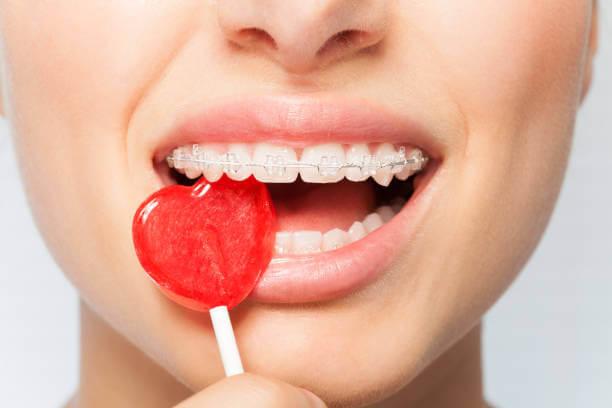
Avoid sticky, hard, or chewy textures entirely. Gummy candies, caramel, popcorn, nuts, and hard pretzels are the most common culprits for orthodontic emergencies. If a food requires significant force to break apart or tends to stick to your braces, skip it for now. Stick to the soft foods list until your next adjustment.
-
Greek yogurt
-
Scrambled eggs
-
Mashed potatoes
-
Steamed carrots
-
Bananas
-
Applesauce
-
Smoothies
Work through the steps
Your first week with braces is about managing soreness and protecting your new hardware. The goal is to stick to soft, easy-to-chew foods that require minimal jaw pressure. This approach reduces pain and prevents wires from bending or brackets from popping off.
Day 1: Start with liquids and purees
Right after your braces are put on, your teeth will feel tender. Stick to cold or room-temperature foods that numb the mouth slightly. Smoothies, yogurt, and applesauce are safe bets. Avoid anything acidic, like orange juice, which can sting sensitive gums.
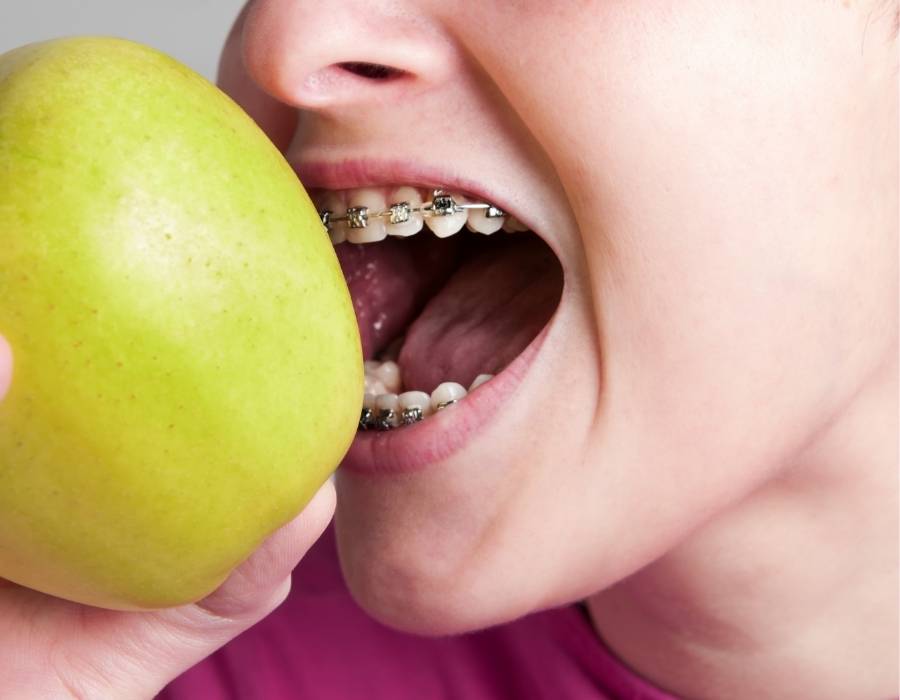
Eat oatmeal, scrambled eggs, or mashed potatoes for your first meals. Cut soft fruits like bananas into small pieces. If you are hungry for something savory, try lukewarm soup without large chunks. Drink plenty of water to stay hydrated and keep food particles from settling around your brackets.
Day 2: Introduce soft solids
As the initial numbness fades, you can try foods that require a bit more chewing but still melt easily. Soft-cooked pasta, rice, and well-done fish are good options. Avoid crunchy crusts on bread or tough meats that require forceful biting.
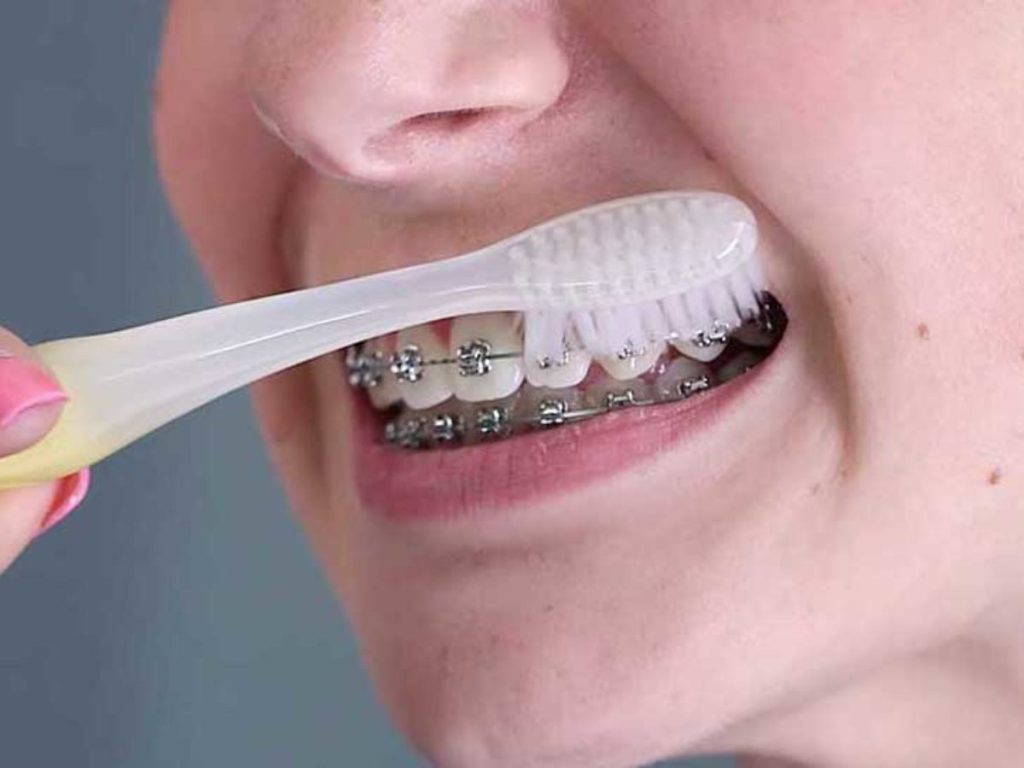
Try soft cheeses, tofu, or slow-cooked shredded chicken. Cut all proteins into bite-sized pieces before eating. This reduces the load on your front teeth, which bear the brunt of biting pressure. Chew slowly and use your back teeth where possible to minimize stress on the newly bonded brackets.
Day 3-4: Expand your soft food list
By the third day, most soreness subsides. You can introduce slightly more textured foods like steamed vegetables, soft fruits (melons, peaches), and soft breads without crusts. Continue to avoid hard, sticky, or chewy items that can dislodge wires.
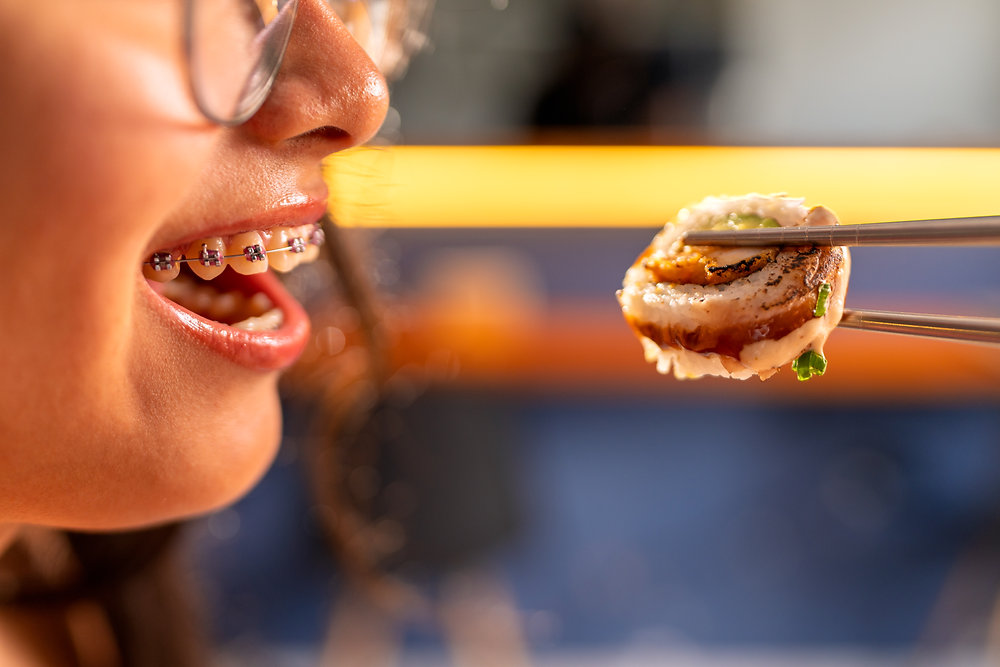
Try soft-cooked carrots, zucchini, or sweet potatoes. These provide necessary nutrients without risking damage. If a food feels hard or requires significant jaw force, stop and choose a softer alternative. Listen to your teeth; discomfort is a sign to revert to easier foods.
Day 5-7: Transition to normal soft diet
Your mouth is adjusting. You can now eat most soft foods without worry, but still avoid hard nuts, hard candies, ice, and tough steaks. Maintain good oral hygiene to prevent plaque buildup around the brackets.
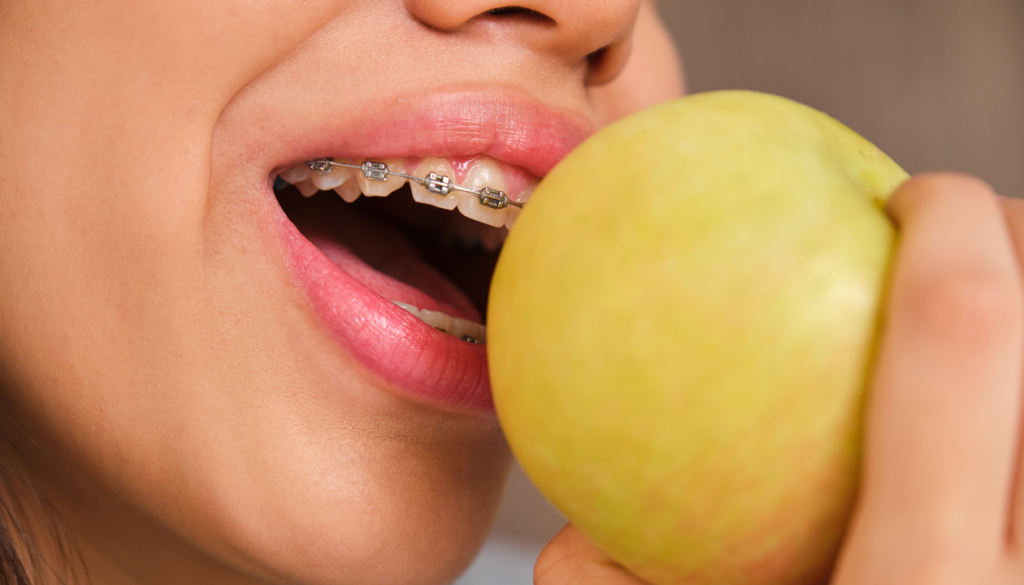
Continue eating soft foods for the full week to ensure stability. Avoid sticky foods like caramel or gum, which can pull brackets loose. Brush and floss carefully after every meal to keep your braces clean and your gums healthy. By the end of the week, you should feel comfortable eating a wider variety of soft meals.
Checklist for your first week
-
Stock up on yogurt, smoothies, mashed potatoes, and soft fruits
-
Avoid hard, crunchy, sticky, or chewy foods
-
Cut all meats and vegetables into small, manageable pieces
-
Stay hydrated with water and non-acidic drinks
-
Brush and floss gently after every meal
-
Use orthodontic wax if any brackets irritate your cheeks
What should I do if a bracket feels loose? Do not try to fix it yourself. Call your orthodontist as soon as possible. In the meantime, eat only soft foods and avoid touching the bracket with your tongue or fingers.
Can I drink hot coffee or tea? Yes, but be careful. Hot liquids can increase sensitivity in the first few days. Let your drinks cool to warm or room temperature to avoid discomfort.
How long does the soreness last? Most people experience soreness for 3-7 days. Over-the-counter pain relievers and soft foods can help manage the discomfort during this period.
Common Mistakes That Delay Treatment or Cause Pain
Most discomfort during your first week of braces comes from avoidable errors. The brackets and wires are not designed to handle hard, sticky, or crunchy foods. Ignoring these limits leads to broken components, which means extra appointments and a longer overall treatment time.
Eating Hard or Sticky Foods
The biggest mistake is treating braces like natural teeth. Hard items like nuts, hard candy, or ice can snap wires or pop brackets off your enamel. Sticky foods such as caramel, taffy, or chewy gummies pull on the hardware and are nearly impossible to clean out. Once a bracket is loose, it cannot move your teeth effectively.
Stick to soft foods for the first few days. Yogurt, mashed potatoes, and smoothies are safe bets. If you crave crunch, try steamed vegetables or soft fruits like melon. Avoid biting directly into apples or corn on the cob; cut them into small pieces instead.
Ignoring Oral Hygiene
Food traps easily around wires and brackets. If you skip brushing after meals, plaque builds up quickly, leading to white spots on your teeth that may become permanent. This is why brushing and flossing become more critical, not less, during your first week. Use a soft-bristled brush and angle it toward the gum line to clean around the brackets.
Skipping the Orthodontist’s Advice
Some patients assume that if a food doesn’t hurt immediately, it is safe. Pain is not a reliable indicator of damage. A wire might be bent or a bracket micro-cracked without immediate sensation. Always follow the specific guidelines provided by your orthodontist. If you are unsure whether a food is safe, it is better to skip it until your next adjustment.
Braces diet: what to check next
You likely have questions about what you can eat with braces. We address the most common concerns to help you navigate your first week of treatment without discomfort or damage to your appliances.
Work through The Braces Diet
No comments yet. Be the first to share your thoughts!