

Get your braces diet right
Before you schedule your first appointment or buy your first pack of wax, you need a clear plan for what goes into your mouth. The first week with modern orthodontic braces is the most sensitive period. Your teeth will be tender, and your cheeks will need time to toughen up against the brackets.
Start by stocking up on soft foods. Orthodontists recommend sticking to mashed potatoes, yogurts, and smoothies immediately after your braces are put on. These items require minimal chewing, which reduces pressure on your teeth and prevents unnecessary pain. Avoid hard, crunchy, or sticky foods entirely during this initial phase.
You should also prepare your comfort kit. Orthodontic wax is essential for preventing brackets from rubbing against your inner cheeks. Keep a small travel pack in your bag or purse. If you experience soreness, over-the-counter pain relievers can help, but stick to soft foods for the first few days to let your teeth adjust.
-
Buy orthodontic wax and a travel pack
-
Stock up on soft foods like yogurt and mashed potatoes
-
Prepare a soft-bristled toothbrush and fluoride mouthwash
-
Plan for over-the-counter pain relief if needed
Work through the steps
The first week with braces is less about what you love to eat and more about what your mouth can tolerate. Your teeth are sore, your brackets are sensitive, and your jaw might feel like it’s carrying a heavy weight. The goal here is simple: keep things soft, cool, and easy to chew. Avoiding hard or sticky foods isn’t just about protecting the hardware; it’s about protecting your comfort while your teeth settle into their new positions.
Step 1: Start with cool, soft foods
Right after your appointment, your mouth will likely be tender. Cold foods can help numb the soreness. Think smoothies, yogurt, or even ice cream (without crunchy mix-ins like nuts or chocolate chips). These foods require almost no chewing and provide immediate relief. If you’re hungry for something more substantial, mashed potatoes or applesauce are safe bets. They slide down easily and won’t irritate your gums or brackets.
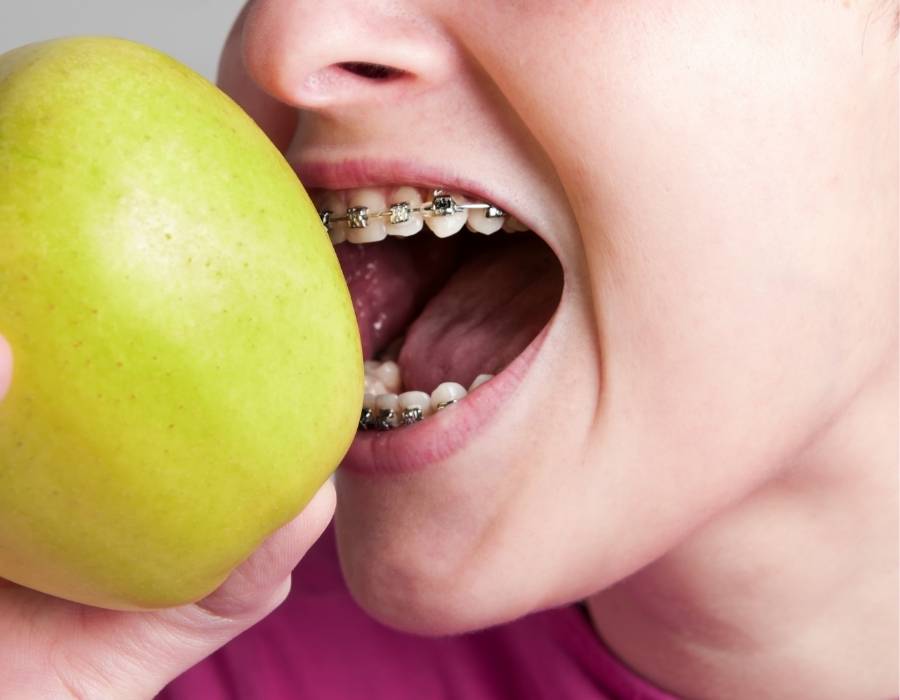
Opt for cool, soft foods like yogurt, smoothies, and mashed potatoes immediately after your braces adjustment. The cold helps reduce inflammation and soreness, making the first few hours much more comfortable.
Step 2: Stick to soft proteins and dairy
Protein is essential for healing, but steak or tough chicken breasts are off the table for now. Instead, focus on soft proteins that don’t require aggressive chewing. Scrambled eggs, tofu, and soft cheeses are excellent choices. Dairy products like cottage cheese or pudding are also high in protein and calcium, which supports your teeth. If you’re making a smoothie, add a scoop of protein powder or Greek yogurt to keep your energy levels up without the chewing effort.
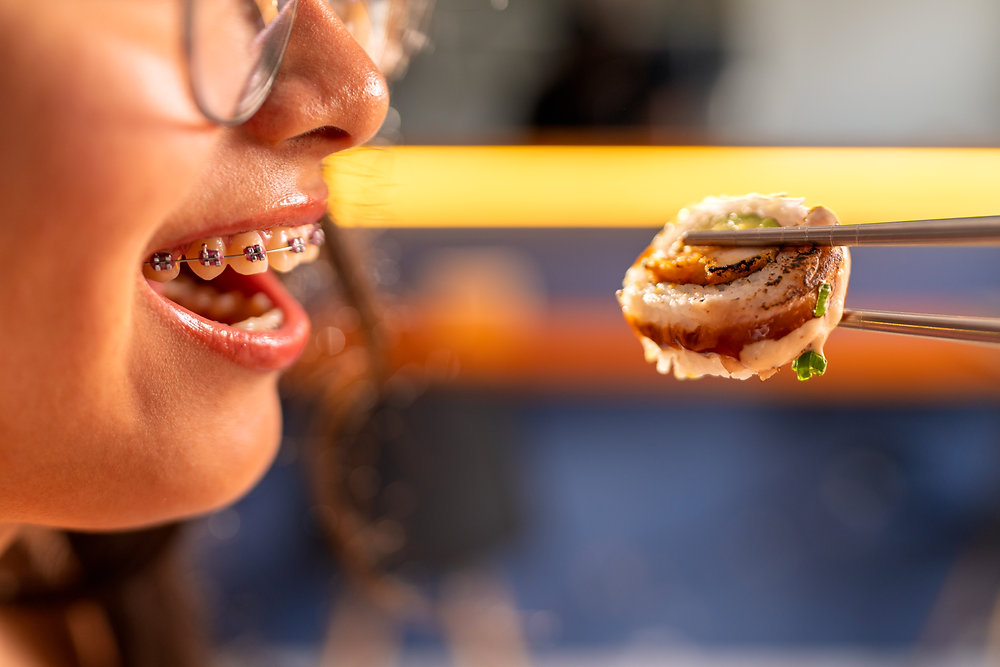
Soft proteins like scrambled eggs, tofu, and cottage cheese provide necessary nutrients without stressing your sore teeth or brackets. Dairy products like yogurt and pudding are also safe, high-calcium options.
Step 3: Cook your vegetables until tender
Raw vegetables are crunchy and can be dangerous for new braces. Carrots, celery, and raw broccoli can snap wires or dislodge brackets. Instead, steam your vegetables until they are fork-tender. Steamed carrots, zucchini, and green beans are easy to chew and still provide important vitamins. Soups and stews are also great vehicles for vegetables, as long as they aren’t chunky with hard bits. Blend them if necessary.
Avoid raw, crunchy vegetables that can damage brackets. Steam carrots, zucchini, and green beans until they are soft enough to mash with a fork. Soups and stews are also safe if blended or finely chopped.
Step 4: Prepare grains and starches carefully
Rice, pasta, and bread can be tricky. Dry bread can be tough to chew and may stick to brackets. Pasta is generally safe if cooked al dente or softer. Rice can be sticky, so mix it with sauce or soup to make it easier to swallow. Oatmeal and cream of wheat are excellent warm breakfast options that are gentle on your mouth. Just let them cool slightly so they don’t burn your sensitive gums.
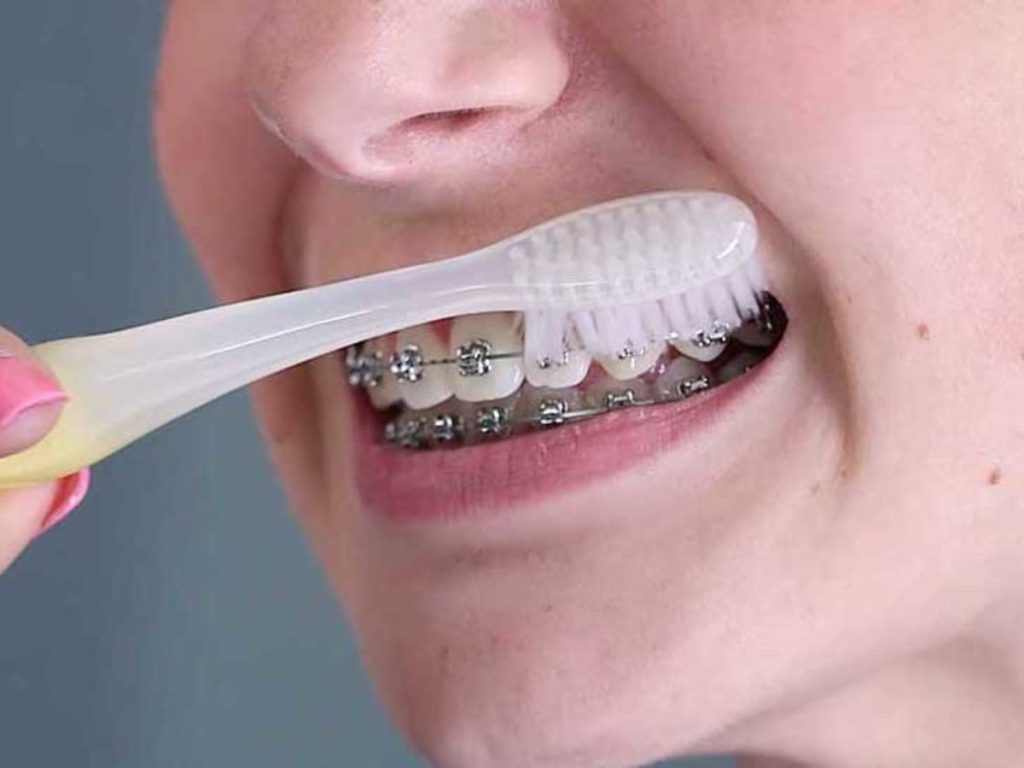
Cook pasta and rice until very soft. Avoid dry, crusty bread that can stick to brackets. Oatmeal and cream of wheat are gentle, warm alternatives that require minimal chewing.
Step 5: Snack smart and stay hydrated
Snacking is inevitable, but chips, crackers, and nuts are off-limits. They are hard, crunchy, and can get stuck in your braces, leading to plaque buildup and potential damage. Instead, keep soft snacks on hand like hummus with soft pita (tear it into small pieces), fruit purees, or soft bananas. Drink plenty of water to help flush out food particles and keep your mouth clean. Avoid sugary drinks, as sugar feeds the bacteria that cause cavities around your brackets.
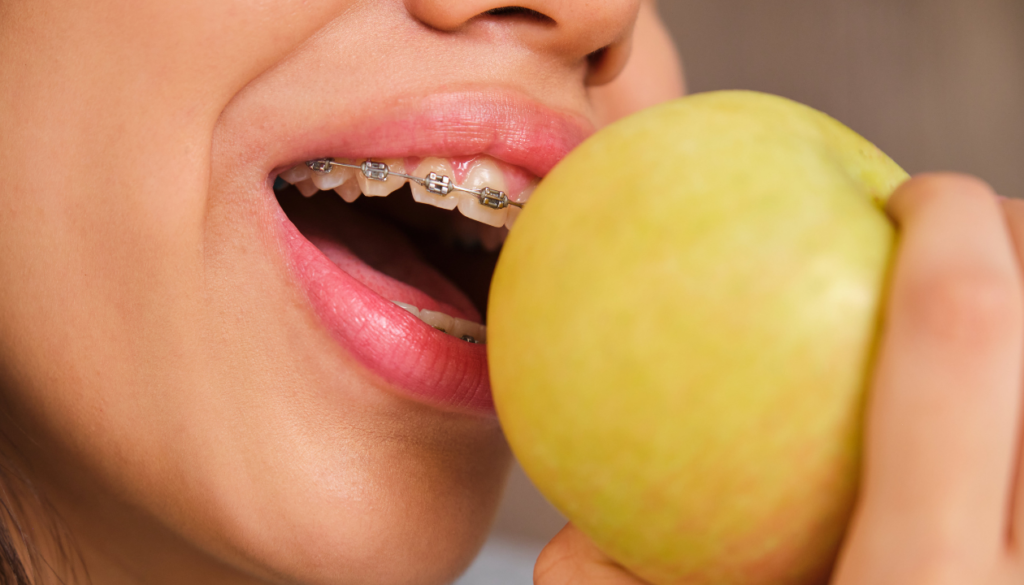
Avoid hard, crunchy snacks like chips and nuts. Opt for hummus, soft bananas, or fruit purees. Drink water frequently to keep your mouth clean and hydrated without the sugar of sodas or juices.
Fix common mistakes
Most patients don’t need surgery to fix their teeth; they need to stop breaking the appliances that move them. The first week sets the tone for your entire treatment. If you ignore these rules, you’ll spend more time in the orthodontist’s chair and less time with a straight smile.
Chewing hard foods too soon
Your teeth are sore after the braces are put on. The wires are applying pressure, and the brackets are glued to your enamel. Chewing hard foods like apples, nuts, or crusty bread puts unnecessary force on these components. This can snap wires or pop brackets off entirely.
Stick to soft foods for the first three to five days. Yogurt, mashed potatoes, and smoothies require no chewing force. They let your teeth settle while the braces do the work. If it requires a bite with your front teeth, put it down.
Ignoring sticky textures
Sticky foods are the enemy of braces. Caramel, taffy, gum, and even chewy bagels can get stuck in the wires. Pulling them out might bend the wire or detach the bracket from the tooth surface. This isn’t just annoying; it delays your treatment timeline.
Avoid anything that stretches or sticks. If you must have bread, tear it into tiny pieces and chew with your back teeth. Never chew directly on the front brackets. Treat the wires like delicate electronics, not chewing surfaces.
Skipping the post-meal check
Food gets trapped. Every time you eat, small particles lodge around the brackets and under the wires. If you don’t remove them, they turn into plaque, leading to white spots on your teeth once the braces come off. These permanent stains are the most common regret among patients.
Rinse with water immediately after eating. Brush within 30 minutes using a soft-bristled brush and fluoride toothpaste. Floss with a threader or water flosser to clear the gaps. A quick visual check in the mirror can save you a costly repair later.
Braces diet: what to check next
Adjusting to a new diet is the hardest part of the first week. These answers cover the practical concerns that come up most often, from pain management to sneaky foods that cause trouble.
Work through The Braces Diet
No comments yet. Be the first to share your thoughts!