

What to expect in the first few days
Use this section to make the First Week with Braces decision easier to compare in real life, not just on paper. Start with the reader's actual constraint, then separate must-have requirements from details that are merely nice to have. A practical choice should survive normal use, maintenance, timing, and budget. If a recommendation only works in an ideal situation, call that out plainly and give the reader a fallback path.
The simplest way to use this section is to write down the must-have criteria first, then compare each option against those criteria before weighing nice-to-have features.
Stock up on soft foods and cold drinks
Your teeth and gums will feel tender immediately after your braces are placed. The metal brackets and wires put constant pressure on your teeth, making chewing uncomfortable. Eating soft foods and drinking cold liquids helps soothe the irritation and protects your new hardware from damage.
Avoid hard, chewy, crunchy, or sticky foods, which can loosen brackets or bend wires. Instead, rely on soft options that require little to no chewing. Mashed potatoes, applesauce, yogurt, pudding, and smoothies are safe bets. Cold items like ice cream or ice water can also help numb sore spots and reduce swelling.
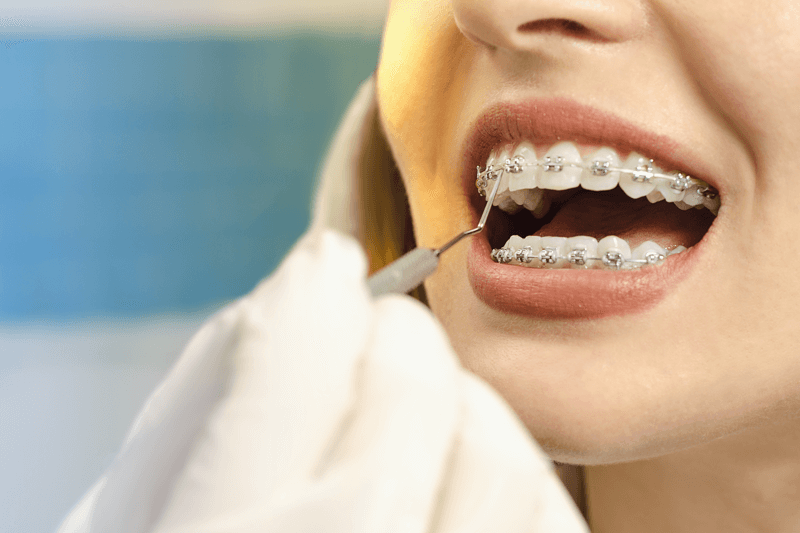
This approach keeps you nourished while your mouth adjusts. As your teeth begin to shift, you may notice a slight looseness, which is normal. Stick to these soft foods for the first few days until the initial soreness subsides.
Manage soreness and mouth irritation
The first few days after getting braces are often the most uncomfortable. As your teeth begin to shift under the pressure of the wires, you will likely feel a dull ache or soreness in your gums and teeth. This sensation is a normal part of the adjustment process and usually peaks within 24 to 48 hours before gradually subsiding.
To manage general soreness, over-the-counter pain relievers like ibuprofen or acetaminophen can be effective. Take these medications as directed on the label, and consider applying them shortly after your orthodontic appointment while the numbness wears off. Cold foods, such as ice cream or yogurt, can also help numb the area and reduce inflammation simultaneously.
Brackets and wires can sometimes rub against the inside of your cheeks or gums, causing irritation or small sores. Orthodontic wax is your best defense against this friction. Dry the bracket with a tissue, roll a small piece of wax into a ball, and press it firmly over the offending area. This creates a smooth barrier that allows your mouth to heal while you adjust to the new hardware.
If irritation persists, saltwater rinses can soothe inflamed tissues. Dissolve half a teaspoon of salt in a glass of warm water and swish it around your mouth for 30 seconds before spitting it out. Do this two to three times a day, especially after meals, to keep the area clean and promote healing.
Adjust your oral hygiene routine
The first week with braces requires a shift in how you clean your teeth. Brackets and wires create new nooks where food particles and plaque accumulate, increasing the risk of decay and gum inflammation if not addressed immediately. Standard brushing often misses the critical areas around the brackets, so you need a more targeted approach.
Start by switching to a soft-bristled toothbrush. Hard bristles can irritate gums that are already sensitive from the initial adjustment. Angle the brush at 45 degrees toward the gumline and gently sweep away debris. Spend extra time around each bracket, using small circular motions rather than aggressive scrubbing. This technique helps remove plaque without damaging the delicate tissue or dislodging the adhesive.
Flossing becomes more challenging but remains non-negotiable. Use a floss threader or orthodontic flossers to guide the floss under the main wire. Once threaded, floss normally between each tooth, curving around the base of each bracket. If manual flossing feels too difficult initially, consider using a water flosser on a low setting to flush out food particles trapped in hard-to-reach spots.
Rinsing with an antimicrobial mouthwash can help reduce bacteria and soothe gum irritation. Look for an alcohol-free formula to avoid stinging sensitive areas. Consistency is key; maintain this routine twice daily to prevent white spots on your enamel, which are often the first sign of early decay around brackets.
Handle common first-week emergencies
The first week with braces often brings unexpected minor issues, from loose wires to irritated cheeks. While some discomfort is normal as your teeth begin to move, hardware problems can disrupt your progress and comfort. Knowing how to manage these hiccups at home can prevent unnecessary emergency visits, though some situations require professional attention.
Fixing a Poking Wire
A loose wire is the most common first-week emergency. Orthodontic wires may shift slightly after the initial tightening, leaving a sharp end poking into your cheek or gums. This irritation can be significant if left unaddressed.
If a wire ends are protruding, you can temporarily cover the sharp end with orthodontic wax. Dry the wire with a tissue, roll a small piece of wax into a ball, and press it firmly over the offending area. This creates a smooth barrier that protects your soft tissue. If the wire is severely displaced and wax doesn't hold, contact your orthodontist for a quick adjustment.
Dealing with a Broken Bracket
Brackets can sometimes loosen or break during the first week, especially if you accidentally bite into something hard or sticky. According to Dr. Bina Park, avoiding hard, chewy, crunchy, or sticky foods is essential to prevent brackets from bending or breaking [src-serp-5]. A loose bracket on an active wire may still apply pressure to your teeth, but it can also drag and cause ulcers.
If a bracket is still attached to the wire but spinning freely, you can try to gently push it back to its original position using clean tweezers. If it’s completely detached, save the bracket and bring it to your next appointment. If the wire is loose and causing pain, use wax to secure it temporarily and call your orthodontist.
When to Call the Orthodontist
Not every issue requires an immediate call. Mild soreness, slight irritation, and minor wire tweaks are typical during the adjustment period [src-serp-8]. However, you should contact your orthodontist if:
- A wire is severely bent or poking your gum tissue despite wax.
- A bracket is completely detached and lost.
- You experience severe, unrelenting pain that over-the-counter medication doesn't help.
- You notice swelling or signs of infection in your gums.
Most orthodontic offices have an emergency line for first-week issues. Don't hesitate to reach out if you're unsure whether a problem is normal or needs attention.
No comments yet. Be the first to share your thoughts!