

Get managing braces right
Before your first adjustment, prepare for the physical reality of orthodontics. The hardest week of braces is typically the first seven days after activation, as teeth begin shifting and gums adapt to the new pressure. This phase requires specific supplies and dietary changes to prevent unnecessary pain or damage.
Start by stocking up on braces-friendly foods before your appointment. Soft options like yogurt, mashed potatoes, and smoothies reduce friction on sensitive teeth. Avoid hard, sticky, or crunchy items that can snap wires or dislodge brackets. Staying hydrated is equally important; a moist mouth reduces irritation, while acidic drinks can worsen sensitivity.
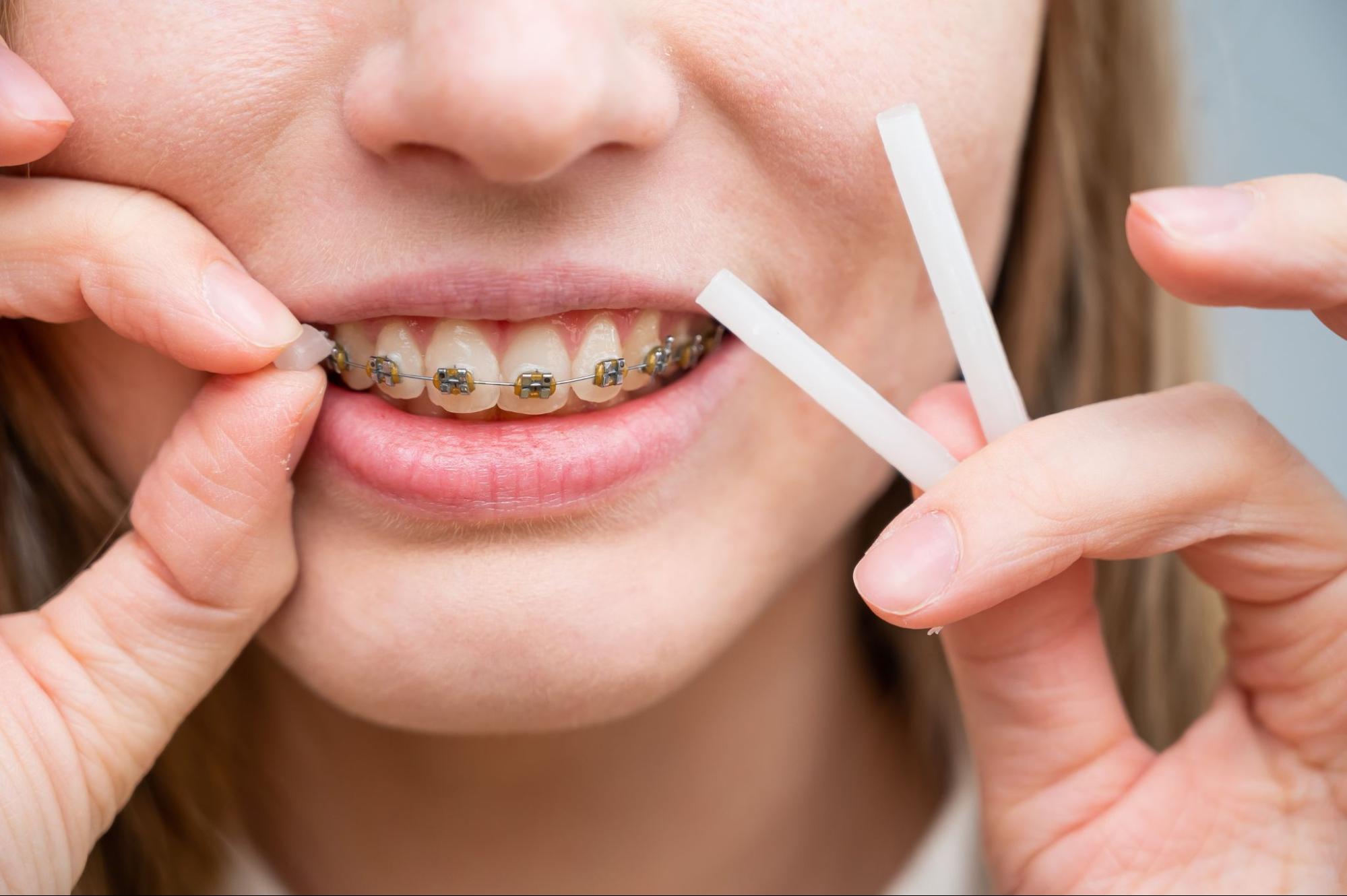
Keep orthodontic wax and salt water rinses within reach. Wax provides an immediate barrier against irritating brackets, while salt water soothes inflamed gums. If you experience persistent discomfort, over-the-counter pain relief can help, but always follow your orthodontist’s specific instructions. Managing braces isn’t difficult, but it does require consistency. Skipping appointments or ignoring minor wire pokes can extend treatment time, making four years of braces feel longer than necessary. Address issues early to stay on track.
Managing braces with smart tech and new materials
Starting braces involves a predictable adjustment period. The first few days often bring soreness as teeth begin to shift. Using the right tools and habits can reduce discomfort and protect your appliances. This guide walks through the essential steps for the first week and beyond.
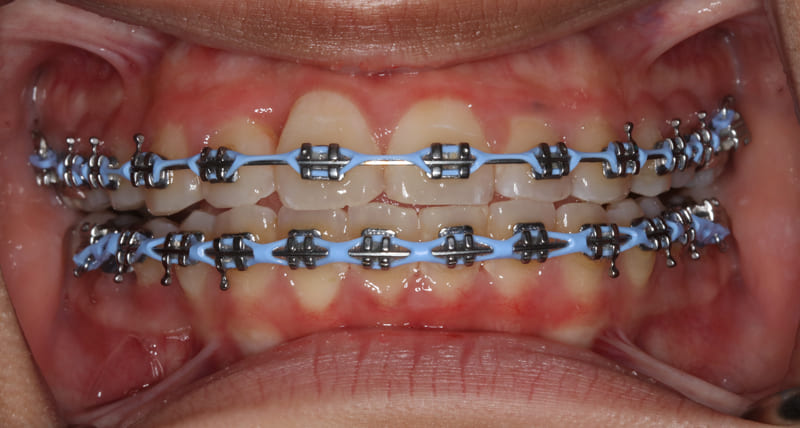
Before your appointment, stock up on braces-friendly foods and over-the-counter pain relief. Soft foods like yogurt, mashed potatoes, and smoothies are easier to eat when your teeth are sensitive. Having orthodontic wax on hand is also critical for covering any wires that might irritate your cheeks or gums.
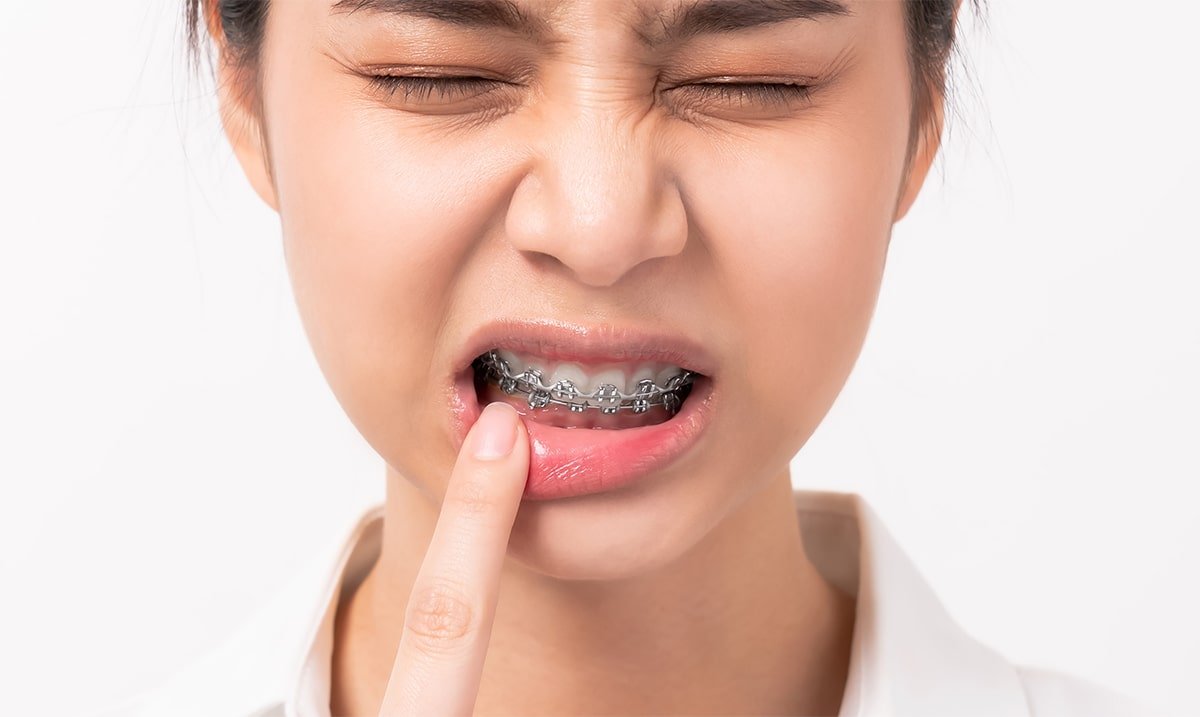
Soreness usually peaks within 24 to 48 hours. Use salt water rinses to soothe gum irritation and reduce inflammation. Stay hydrated to keep your mouth moist, which decreases friction from the brackets. If pain persists, follow your orthodontist’s advice on pain medication dosage rather than pushing through severe discomfort.
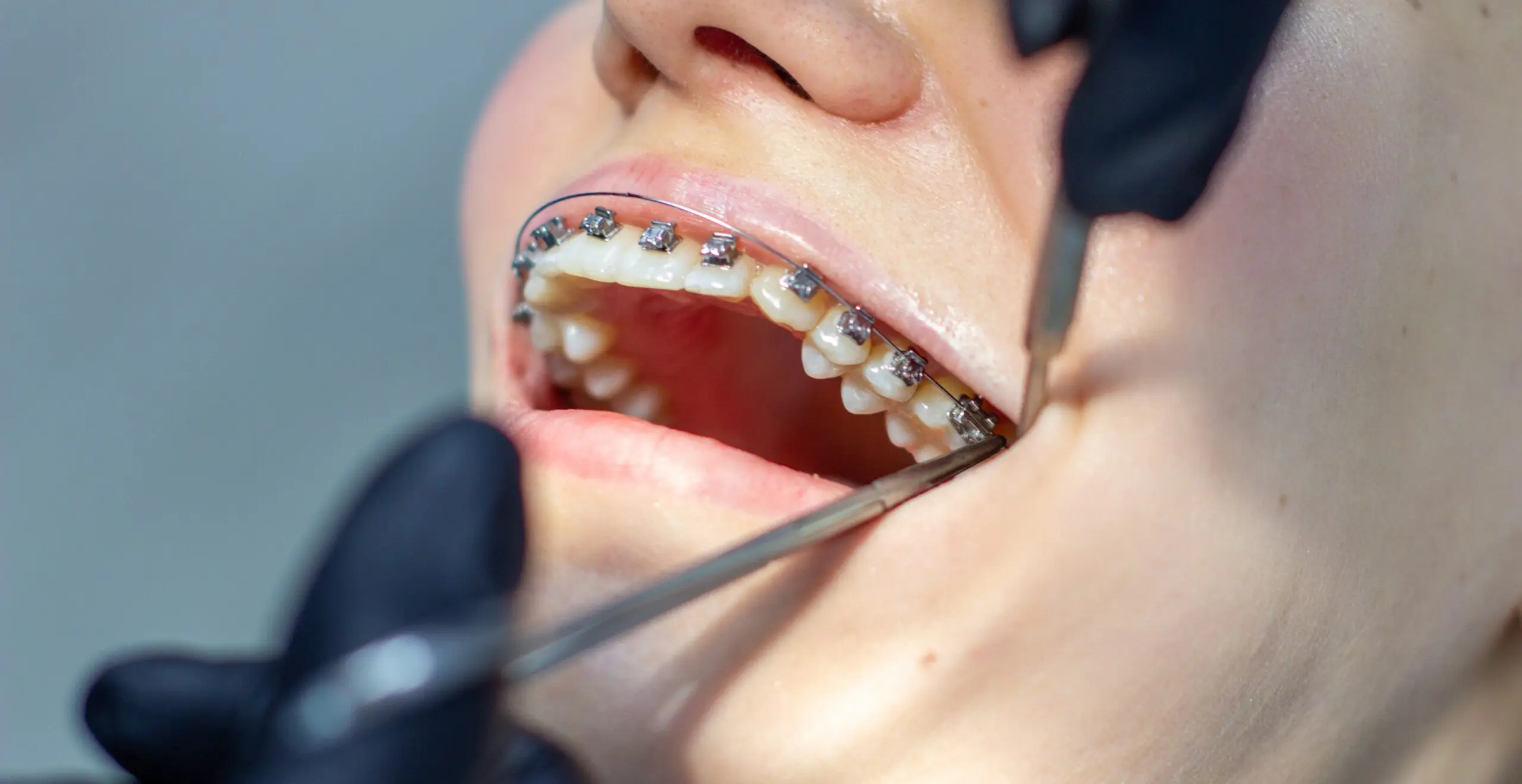
New materials like ceramic brackets or self-ligating systems may require specific cleaning tools. Use a soft-bristled brush and fluoride toothpaste to clean around brackets without scratching the surface. Floss threaders or water flossers are essential for removing food particles trapped in wires and brackets, preventing plaque buildup and gum disease.
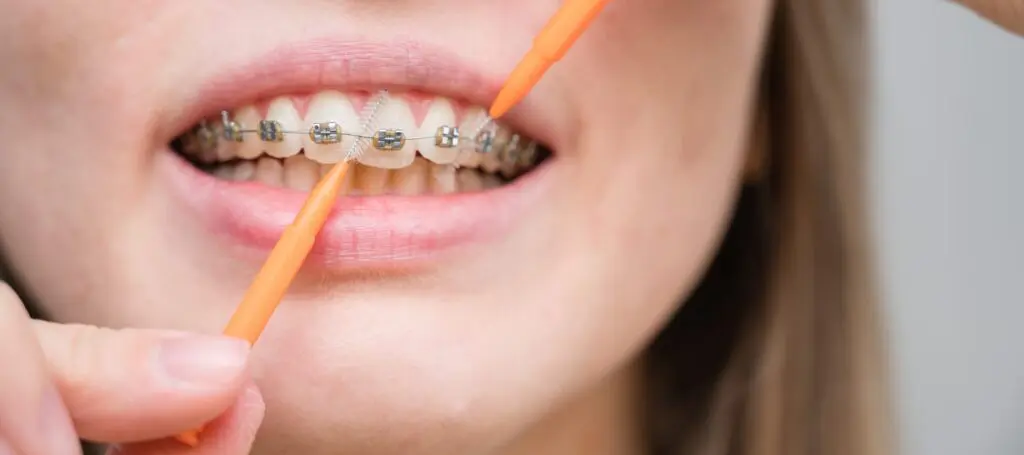
Check for loose brackets or poking wires every morning. Smart tech features, such as app-based monitoring, can help you track progress, but manual inspection is still necessary. If you spot damage, contact your orthodontist immediately to avoid prolonging your treatment time or causing injury to your soft tissues.
Hard, sticky, or chewy foods can break brackets or bend wires. Avoid ice, hard candy, popcorn, and caramel. Also, stop using your teeth as tools to open packages. These habits are the most common causes of emergency visits and extended treatment durations.
Keep all scheduled appointments to ensure your treatment stays on track. Modern materials often require fewer adjustments than traditional metal braces, but consistency is key. Missing visits can delay tooth movement and increase the total time you wear braces.
Fix common mistakes
Even with modern materials and smart tracking apps, poor habits can derail your progress or cause emergency visits. The most frequent errors usually stem from ignoring early discomfort or treating braces like regular teeth. Correcting these behaviors early prevents prolonged pain and keeps your treatment timeline on track.
Ignoring early discomfort
Many patients wait until pain becomes severe before acting. By then, inflammation has already set in, making adjustment appointments more uncomfortable. The American Association of Orthodontists notes that staying hydrated reduces friction and irritation from braces. Drink water frequently to keep your mouth moist, and use over-the-counter pain relievers as directed by your orthodontist during the first few days after adjustments. Do not wait for the ache to peak.
Eating the wrong foods
Hard, sticky, or crunchy foods are the leading cause of broken brackets and bent wires. Avoid nuts, hard candies, popcorn, and ice. Sticky items like caramel or gummy bears can dislodge bands and trap sugar against the enamel, increasing decay risk. Stick to braces-friendly foods, especially during the first week when teeth are most sensitive. Cut apples and carrots into small cubes rather than biting into them whole.
Skipping oral hygiene
Braces trap food particles and plaque more easily than straight teeth. Failing to brush after every meal leads to white spot lesions—permanent enamel damage that remains after braces are removed. Use an interdental brush to clean around brackets and under wires. Consider using a water flosser to flush out debris. Consistent cleaning is the only way to maintain healthy gums and bright teeth once treatment ends.
Managing braces: answering common: what to check next
Navigating the first few weeks of orthodontic treatment often raises practical concerns. These answers address the most common questions about pain, daily routines, and treatment timelines.
No comments yet. Be the first to share your thoughts!