

Start with soft foods
The first 24 to 48 hours after getting braces are the most sensitive. Your teeth and gums are adjusting to the new hardware, which often brings soreness and tenderness. Sticking to a Braces Diet of soft foods during this window protects your teeth from unnecessary pressure and helps you heal faster. Think of this period as a brief pause for your mouth—it needs gentle care, not a heavy workout.
Avoid using straws for the first 24 hours. The suction created when drinking through a straw can dislodge brackets or interfere with healing if you had any extractions performed. Stick to cups or glasses to keep your braces secure and your mouth comfortable.
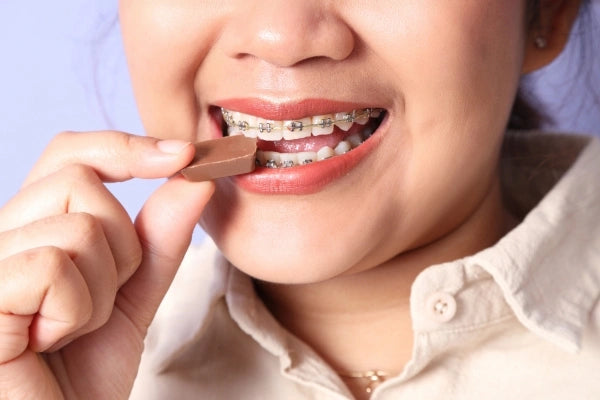
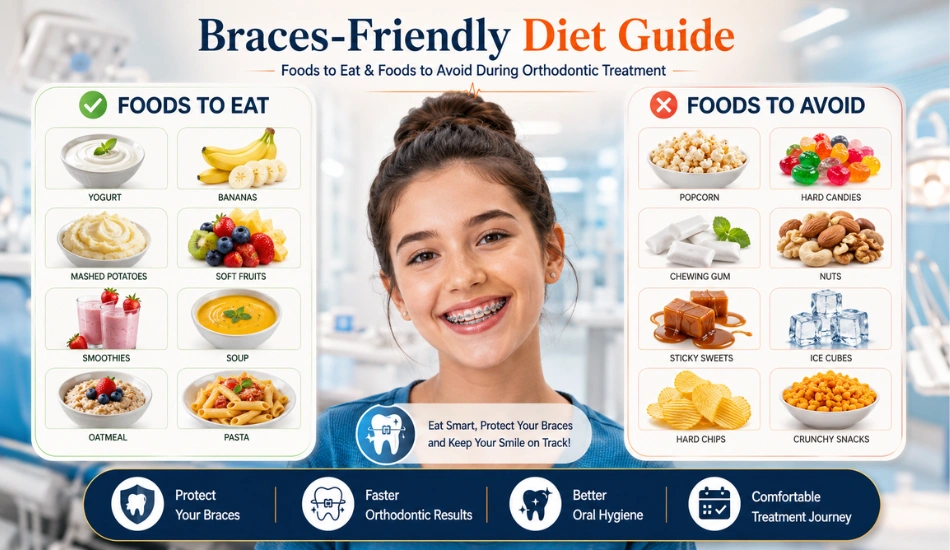
Focus on foods that require minimal chewing. Mashed potatoes, yogurt, and smoothies are excellent choices because they slide down easily without stressing your teeth. Oatmeal and scrambled eggs provide warmth and nutrition without the crunch of harder items. These options keep you fueled while your mouth recovers from the initial adjustment.
By prioritizing soft textures now, you reduce the risk of breaking wires or brackets. This simple shift in what you eat makes the transition to wearing braces much smoother and less painful.
Build a safe braces diet
Once the initial soreness of the first few days fades, your goal shifts from surviving pain to maintaining nutrition. A proper braces diet doesn't mean eating only pudding; it means selecting foods that are gentle on brackets and wires while providing the protein, calcium, and vitamins needed for healthy teeth. Think of this phase as training your jaw for the long haul. You are building a routine of soft, nutritious meals that protect your investment in a straighter smile.
Soft Proteins and Dairy
Protein is essential for tissue repair and overall health, but tough meats can bend wires or loosen brackets. Opt for ground meats, meatballs, or slow-cooked shredded chicken that falls apart easily. Dairy products are natural allies during this time. Yogurt, cottage cheese, and soft cheeses like mozzarella or cream cheese provide calcium without the chew. Milk is also a safe, hydrating option that supports bone health.
Cooked Vegetables and Fruits
Raw vegetables like carrots and apples are too hard for week one. Instead, steam your vegetables until they are tender. Steamed broccoli, carrots, and zucchini are easy to chew and packed with nutrients. For fruits, choose soft varieties or prepare them in ways that remove hardness. Melons, bananas, and kiwi are safe choices. You can also blend berries into smoothies or cook apples into soft compote. Avoid citrus segments with tough membranes, as they can get stuck in brackets.
Grains and Starches
Grains should be cooked until soft to avoid any crunchiness. Rice, pasta, and quinoa are excellent staples. Mashed potatoes are a comforting, safe side dish that requires no chewing effort. Oatmeal and porridge are ideal for breakfast, providing fiber and energy. Avoid crusty breads, bagels, or hard rolls, which can break brackets. Soft tortillas filled with beans or cheese are a versatile and braces-friendly option.
Foods to avoid completely
The first week of your braces diet is about damage control. Your brackets and wires are vulnerable, and certain foods act like demolition tools. Avoid these categories entirely to prevent broken hardware, which means extra appointments and extended treatment time.
Sticky and Chewy Foods
Sticky substances cling to brackets and exert constant pulling force. This tension is enough to pop wires off the arch or tear the adhesive holding the brackets in place. Avoid caramel, taffy, gum, gummy bears, and chewy bagels. If it stretches, it’s a risk.
Hard and Crunchy Foods
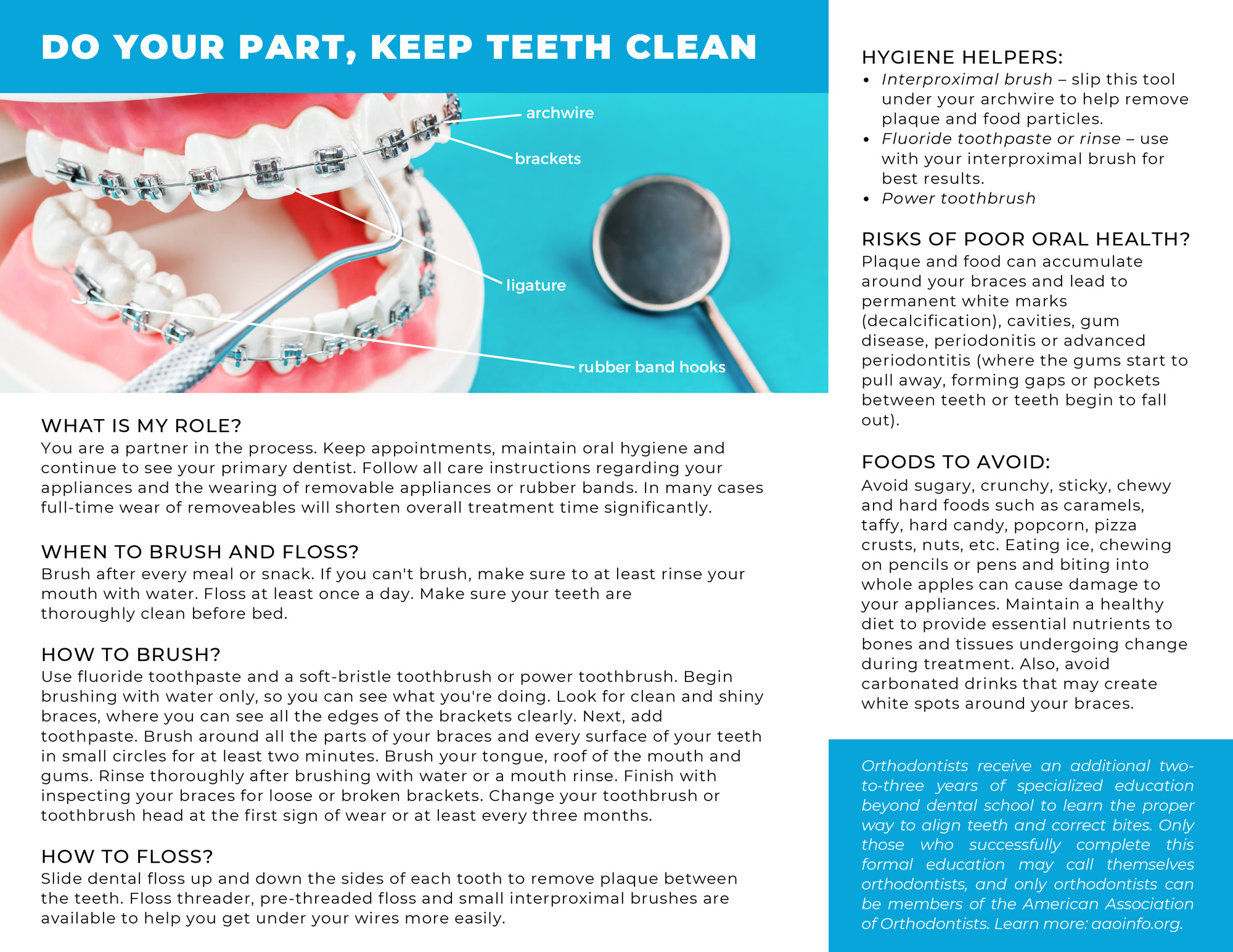
Hard items deliver concentrated impact force when you bite down. A single bite of a hard candy, nut, or ice cube can snap a wire or crack a bracket. Avoid popcorn kernels, hard pretzels, chips, and raw carrots. Even soft breads like bagels or hard rolls can be problematic if they require significant force to chew.
Foods That Require Biting
Using your front teeth to bite into large foods creates leverage that bends wires and dislodges brackets. Avoid whole apples, raw carrots, corn on the cob, and large sandwiches. Cut these foods into small, bite-sized pieces that fit entirely in your mouth. This allows you to chew with your back teeth, where the braces are most secure.
How to floss with braces
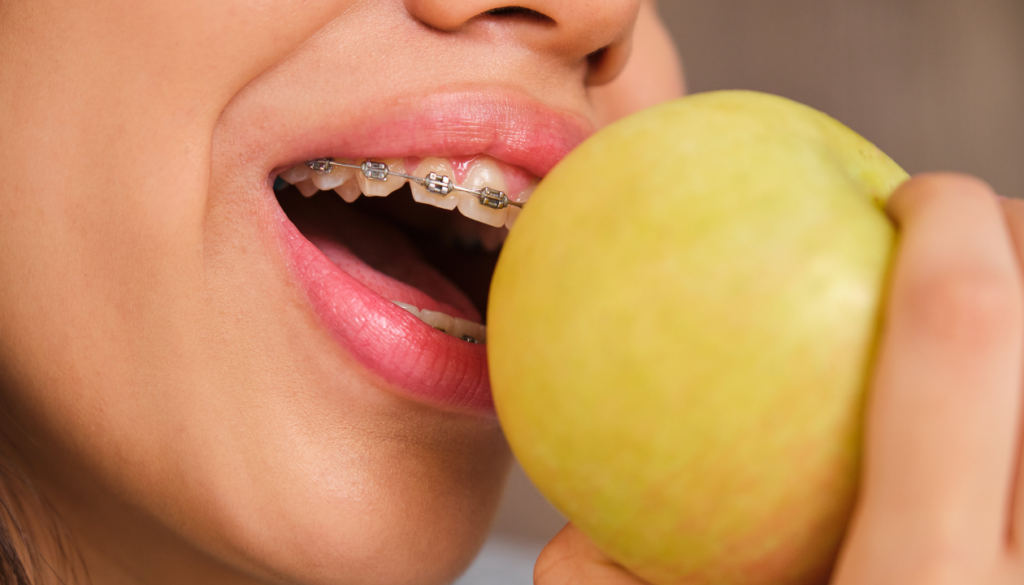
Flossing with braces requires patience and a specific technique because the archwire blocks standard flossing. Without proper cleaning, food particles trap against the brackets, leading to plaque buildup and white spots on your teeth. The goal is to slide floss under the wire and wrap it tightly around each tooth to remove debris that brushing misses.
Take a generous length of floss and tie the ends together to form a loop. This loop gives you enough material to wrap around your fingers, allowing you to tighten the floss as you move from tooth to tooth. Thread the loop under the main archwire, positioning it between the teeth you intend to clean.
Gently work the floss up and down between the teeth until it reaches the gumline. Avoid snapping the floss, as this can irritate sensitive gums, especially during your first week with braces. Once at the bottom, curve the floss into a C-shape against the side of the tooth.
Rub the floss up and down against the tooth surface, sliding it slightly under the gumline to remove plaque. Make sure to clean both the front and back surfaces of each tooth. Repeat this motion for every tooth, including the back sides of your molars, which are often neglected.
Unwind a fresh section of floss from one finger while winding the used floss onto the other. This ensures you are always using a clean segment for each new gap. Repeat the threading and cleaning process for the next set of teeth until you have completed the entire row.
Using a floss threader can make this process significantly easier, especially if you find threading the floss by hand difficult. These small plastic tools hold the floss steady as you guide it under the wire. Once threaded, you can remove the flosser and use the floss as usual. Consistency is critical; flossing once a day, preferably before bed, keeps your braces clean and your Braces Diet effective by ensuring no food remains trapped in your appliances.
Manage first week soreness
Your teeth will feel tender for 3-7 days after getting braces. This is normal as your orthodontist moves them into position. Stick to a soft diet during this period to avoid unnecessary pain.
Use orthodontic wax. Dry brackets cause sores on your cheeks and lips. Roll a small piece of wax into a ball and press it over any wire or bracket that feels sharp. Reapply after eating or brushing.
Rinse with salt water. Mix one teaspoon of salt in a cup of warm water. Swish for 30 seconds and spit. Do this 2-3 times daily to soothe gum irritation and keep the area clean.
Take pain relievers. Over-the-counter ibuprofen or acetaminophen helps with the initial ache. Take them with food to protect your stomach. Avoid aspirin, which can thin your blood and delay healing.
-
Orthodontic wax
-
Soft-bristled toothbrush
-
Salt
-
Pain relievers (ibuprofen/acetaminophen)
No comments yet. Be the first to share your thoughts!