

What to expect in the first 24 hours
The moment your orthodontist finishes tightening the wires, your teeth will likely feel tender. This pressure is a sign that the braces are beginning to shift your teeth into their new positions. According to the Cleveland Clinic, this adjustment period is a normal part of the treatment process as the brackets and wires apply consistent force to the dental arches.
For the first 24 hours, manage this sensitivity with over-the-counter pain relievers if needed. Stick to soft foods like yogurt, mashed potatoes, and smoothies to avoid aggravating your gums. The soreness typically peaks within the first day and gradually subsides as your mouth adjusts to the new hardware.
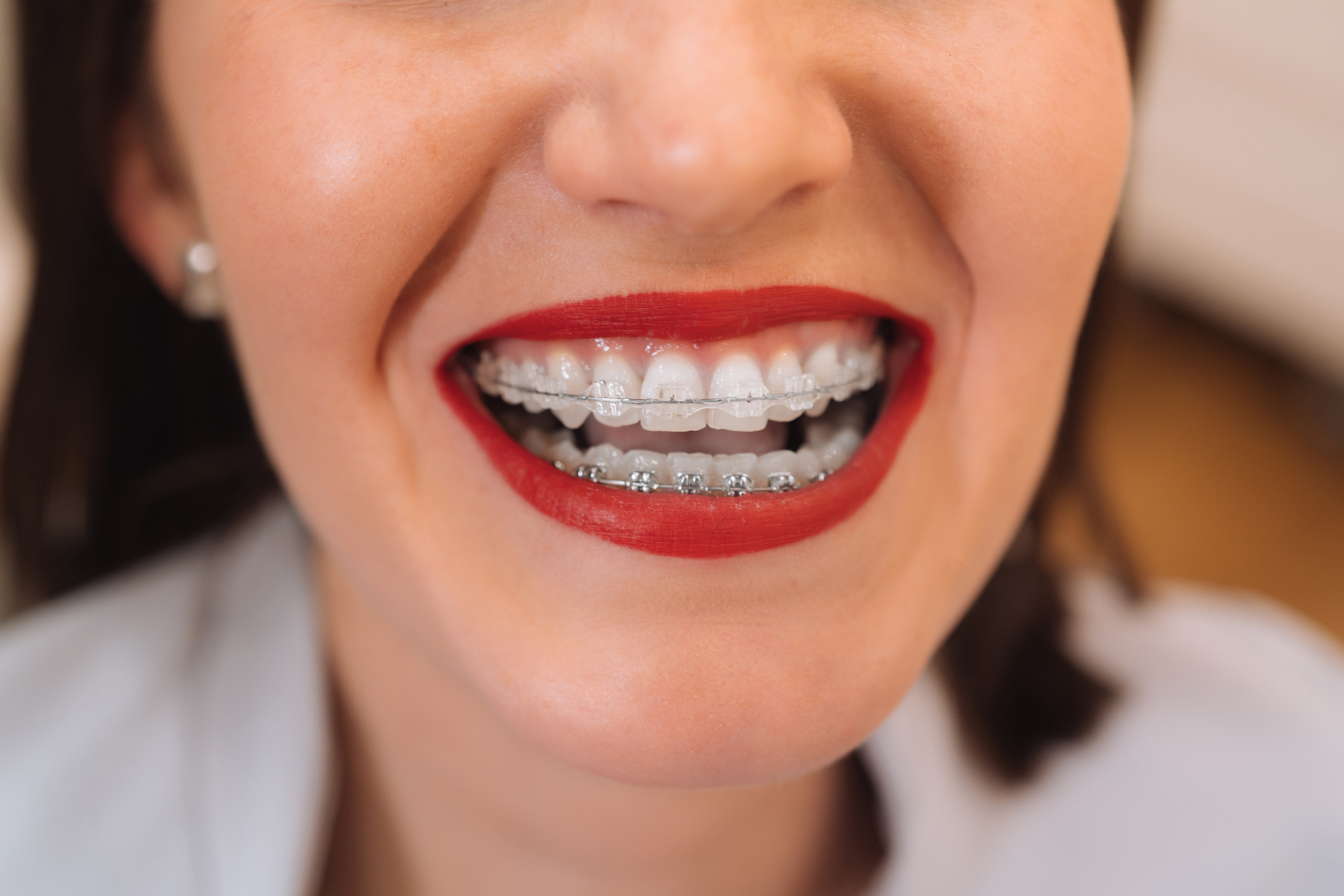
Think of these initial hours as the foundation for your orthodontic journey. While the first week is often cited as the most challenging, understanding that this pressure is temporary helps reduce anxiety. As long as you follow your orthodontist's care instructions, this initial discomfort is a manageable step toward a straighter smile.
Manage soreness and discomfort
The first few days after getting braces are often the most uncomfortable. Your teeth will feel tender, and the brackets may rub against your cheeks and lips. This soreness is a normal part of the adjustment process as your teeth begin to shift into their new positions. You can manage this discomfort with a few simple, safe steps.
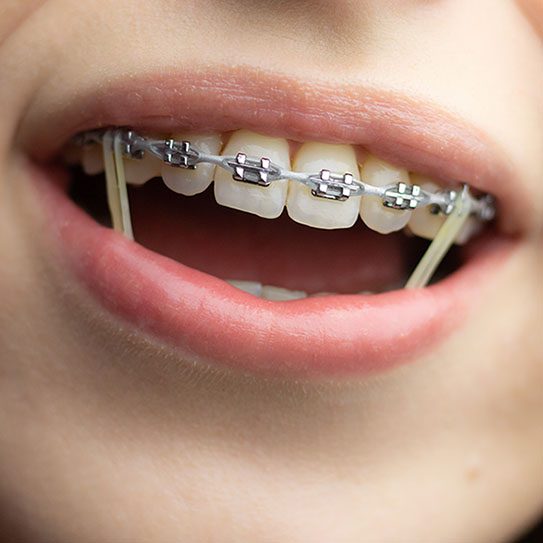
For the first 48 to 72 hours, your teeth may feel achy, especially when you bite down. Over-the-counter pain relievers like ibuprofen or acetaminophen can help reduce inflammation and ease the pain. Follow the dosage instructions on the package or those provided by your orthodontist. Avoid placing aspirin directly against your gums, as this can cause chemical burns.
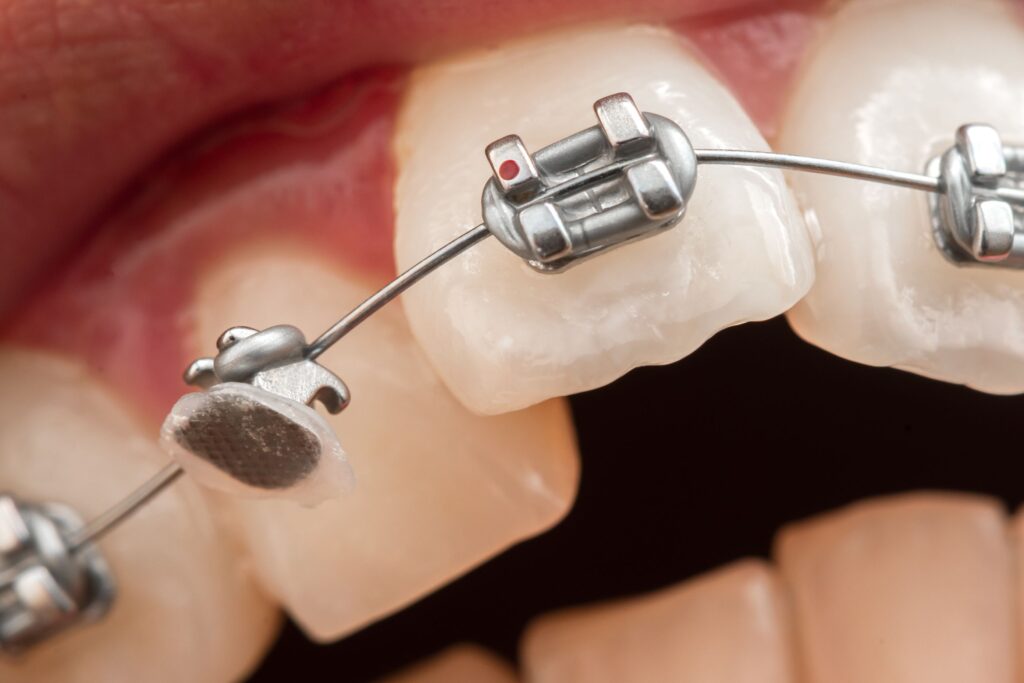
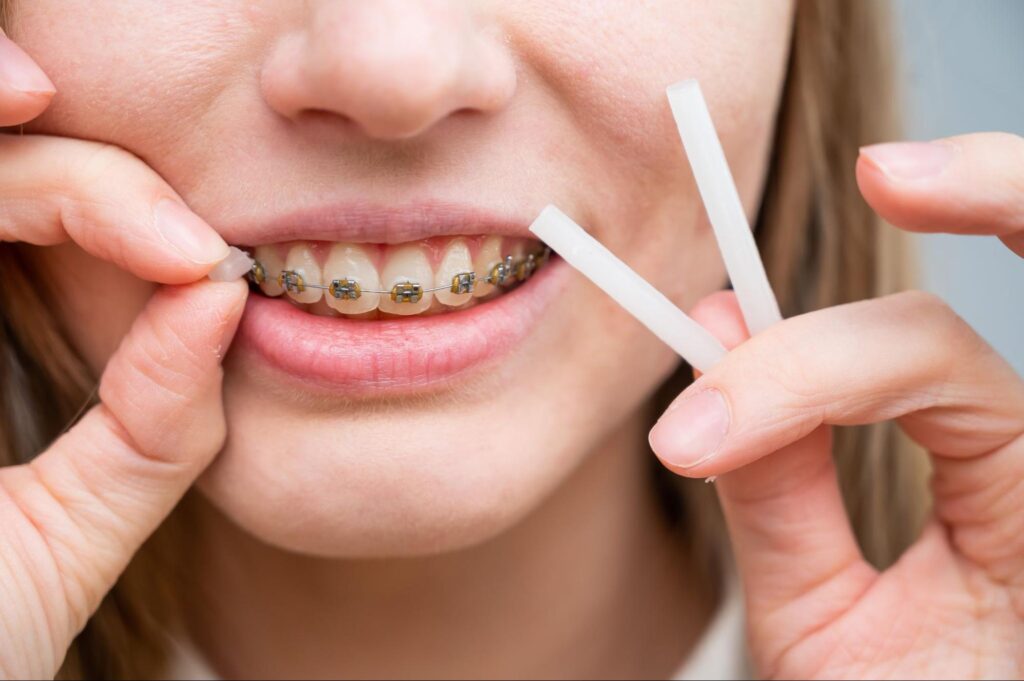
Brackets can feel sharp against the soft tissue of your mouth. Dry your finger and the bracket with a tissue, then roll a small piece of orthodontic wax into a ball and press it firmly over the offending bracket. This creates a smooth barrier that protects your cheeks and lips from sores. You can reapply wax as needed throughout the day.
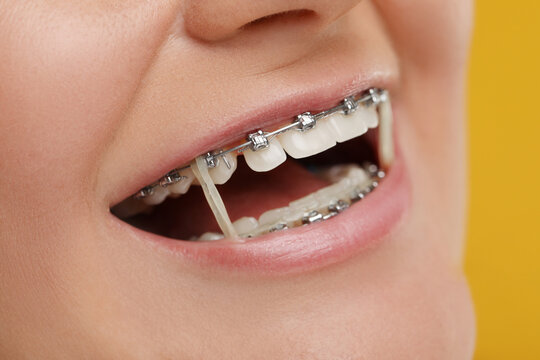
Salt water rinses can soothe irritated gums and help heal any small sores caused by the braces. Mix half a teaspoon of salt into a glass of warm water and swish it around your mouth for 30 seconds before spitting it out. Do this two to three times a day, especially after meals, to keep the area clean and reduce inflammation.
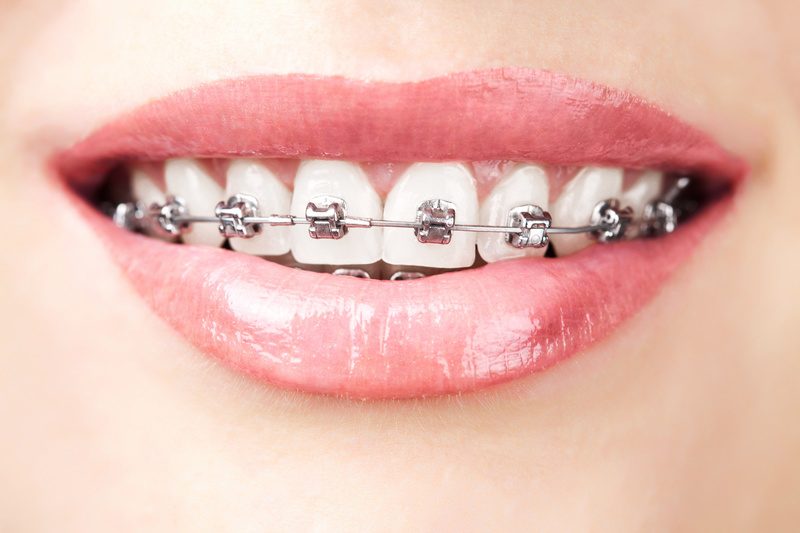
Chewing can increase soreness in the first week. Stick to soft foods like yogurt, mashed potatoes, smoothies, and soup. Avoid hard, crunchy, or chewy foods that require significant biting force. As your teeth become less tender over the next week, you can gradually reintroduce firmer foods.
If pain persists beyond a few days or becomes severe, contact your orthodontist. They may need to adjust the wires or check for any issues with the brackets. In the meantime, cold foods like ice cream or frozen yogurt can provide temporary numbing relief.
Safe foods and eating strategies
Your teeth will feel tender and your mouth will adjust to the new hardware. The first week is the hardest, as your braces begin moving your teeth into the correct positions, but you can protect your brackets by changing how you eat. Focus on soft foods and small bites to minimize pain and prevent damage.
Cut everything into small pieces
Treat every meal like a precision task. Avoid biting directly into whole apples, sandwiches, or burgers. Instead, cut food into bite-sized pieces that fit easily on the tip of your tongue. This prevents you from pushing food against the brackets with your front teeth, which is the most common way to pop them off.
Stick to soft, non-sticky foods
Your diet should be gentle on your braces. Opt for soft proteins like scrambled eggs, yogurt, and beans. Cooked vegetables, mashed potatoes, and pasta are safe staples. Avoid hard, crunchy, or chewy foods like nuts, popcorn, and caramel, which can snap wires or lodge under brackets. Morita Orthodontics recommends brushing after every meal to keep food particles from getting stuck.
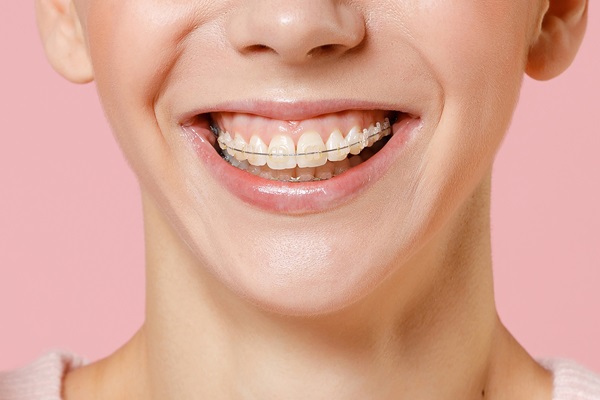
First-week grocery list
Stock up on these soft, safe options to get through the initial soreness:
Manage pain while eating
If your teeth are sore, eat cold foods like ice cream or smoothies. The cold helps numb the tenderness. Chew on the back of your mouth where the pressure is less intense. If pain persists, take over-the-counter pain relief as directed by your orthodontist. Remember, this discomfort is temporary and a sign that your treatment is working.
Your daily oral hygiene routine
Cleaning around brackets and wires requires a different approach than standard brushing. The first week with braces is critical for preventing decalcification (white spots) and gum inflammation, as food traps easily accumulate around the hardware. Treat this routine as a non-negotiable protocol, not a suggestion.
Brush for at least two minutes after each meal and before bed. Use a soft-bristled brush and fluoride toothpaste. Angle the bristles at 45 degrees toward the gumline to clean under the wire and around each bracket. Spend extra time on the back teeth, which are often missed.
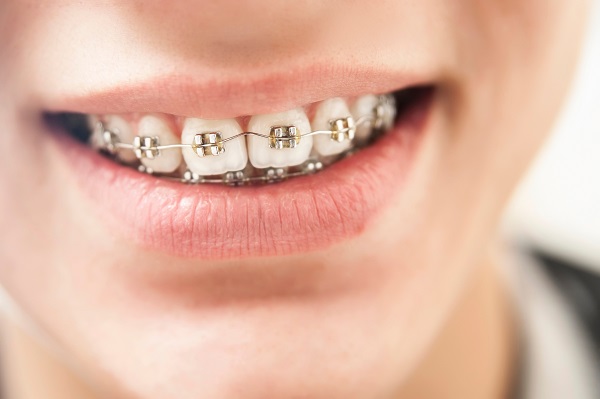
Standard flossing is difficult with braces. Use a floss threader or orthodontic flossers to slide the floss under the wire. Gently curve the floss around each tooth in a C-shape and move it up and down. This removes plaque that brushing cannot reach between the teeth.
An interdental brush (proxabrush) is essential for cleaning around brackets and under wires where regular brushing falls short. Gently insert the brush between the wire and teeth, moving it back and forth. This tool removes food particles and plaque buildup that lead to gum swelling.
Finish your routine with an alcohol-free fluoride mouthwash. Swish for one minute to strengthen enamel and reduce the risk of cavities around the brackets. This step helps remineralize areas vulnerable to acid attacks from trapped food particles.
Consistency is your best defense. If you miss a cleaning session, plaque can harden into calculus within 24 hours, requiring professional removal. Stick to this sequence to keep your gums healthy and your teeth strong while they move into place.
Common mistakes to avoid early on
The first week sets the tone for your entire treatment. Small errors now can lead to broken brackets, prolonged soreness, or delayed results. Treat your braces like a new pair of stiff shoes: they need care and adjustment before they become comfortable.
Skipping orthodontic wax
Wax is your first line of defense against irritation. Brackets and wires can rub against your cheeks and lips, causing painful sores. Apply a small ball of wax over any protruding wire or bracket immediately after you notice irritation. Do not wait for the pain to become severe. If you lose the wax, replace it with a clean piece every time you eat or brush.
Eating hard or sticky foods
Hard foods like nuts, ice, and hard candy can snap wires or pop brackets off your teeth. Sticky foods like caramel, gum, and taffy can pull appliances loose and are difficult to remove. Stick to soft foods like yogurt, mashed potatoes, and scrambled eggs during the first few days. Cut harder fruits and vegetables into small cubes to reduce pressure on your braces.
Neglecting oral hygiene
Food traps easily around brackets and wires. If you do not clean thoroughly, plaque builds up quickly, leading to permanent white spots on your enamel. Brush after every meal and before bed using a soft-bristled toothbrush and fluoride toothpaste. Floss daily using a floss threader or water flosser to reach under the wires. Morita Orthodontics recommends this routine to prevent decalcification and gum disease.
Ignoring discomfort
Some soreness is normal as your teeth begin to move. However, sharp pain or a poking wire is not. If a wire is poking your cheek, use wax to cover the end. If the wire is broken or a bracket is loose, call your orthodontist immediately. Do not try to fix broken appliances yourself, as this can damage your teeth further.
No comments yet. Be the first to share your thoughts!