

What to expect day one
Your braces appointment is likely the longest part of your orthodontic journey. The actual bonding of brackets to your teeth takes only about an hour, but the adjustment period that follows is where most patients feel the most uncertainty. On day one, you won't feel the braces working yet. Instead, you will feel the physical presence of hardware that was not there before.
When the orthodontist cements the brackets and places the archwire, your teeth are under constant pressure. This pressure is the mechanism that will eventually straighten your smile, but it also triggers an inflammatory response in the periodontal ligament surrounding each tooth. This is a biological necessity; the bone around your teeth must soften slightly to allow movement. Because of this, your teeth will feel tender and sensitive to touch, especially when you bite down.
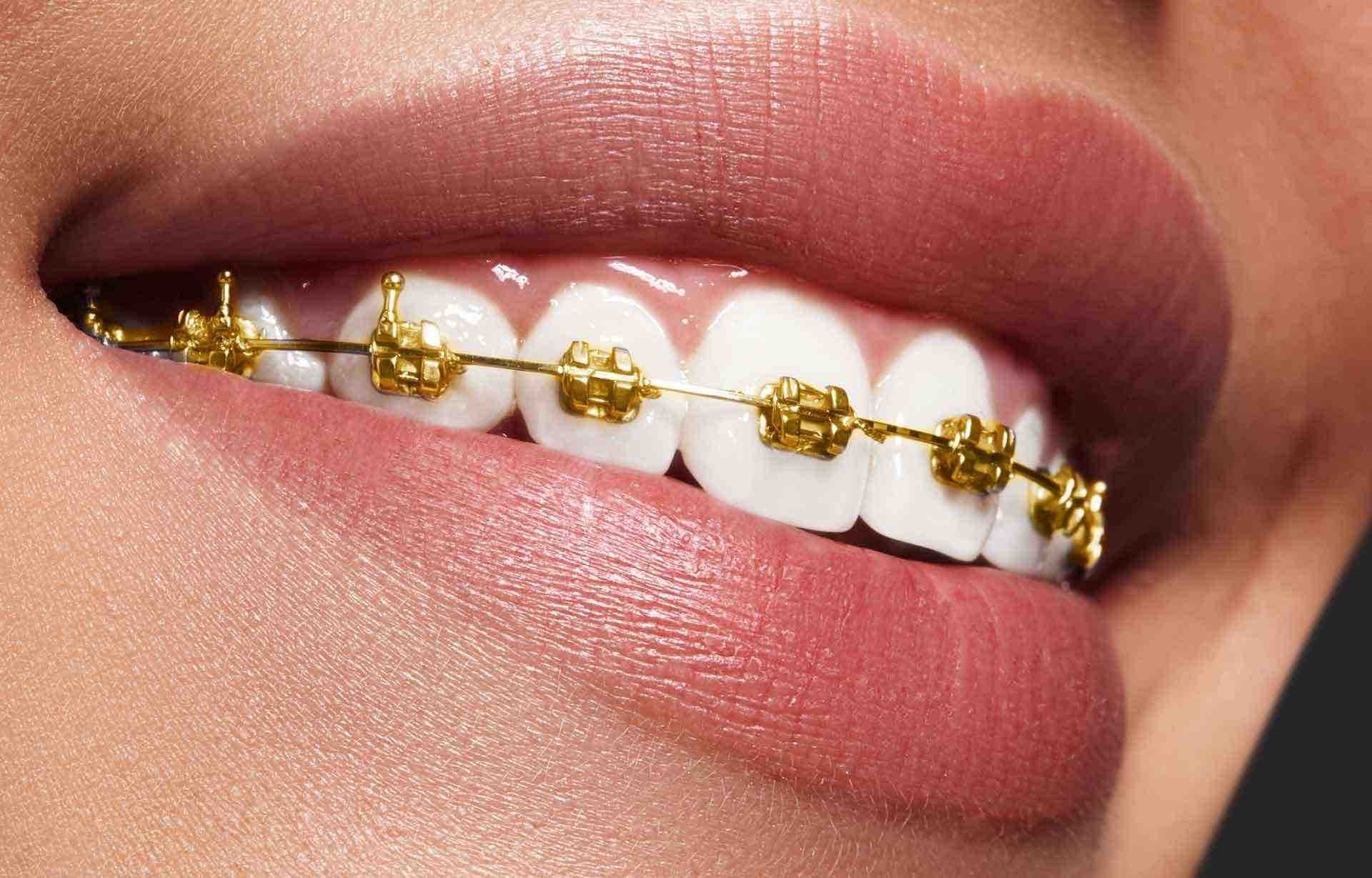
This tenderness typically peaks within 24 to 72 hours. It is a dull, aching sensation rather than sharp pain, similar to how your muscles feel after a workout you haven't done in a while. Your front teeth will likely be the most sensitive, as they are the first points of contact when you close your mouth. This discomfort is a sign that the braces are engaging with your teeth, but it is manageable with the right approach.
To manage this initial phase, stick to soft foods for the first few days. Avoid anything crunchy, chewy, or hard that requires significant force to bite through. If the discomfort becomes distracting, over-the-counter pain relievers like ibuprofen or acetaminophen can help reduce inflammation and pain. Most patients find that they adjust to the sensation within a week, and the initial tenderness subsides as the teeth settle into their new positions.
Managing soreness and pain
Your teeth will feel tender for the first three to five days after getting braces. This discomfort is normal and signals that the wires are beginning to shift your teeth into position. You can manage this soreness with a few simple steps.
Dry the bracket with a tissue, then roll a small piece of wax into a ball. Press it firmly over the bracket or wire that is rubbing against your cheek or lip. This creates a smooth barrier that prevents irritation while your mouth adjusts.
Use acetaminophen or ibuprofen as directed on the package. These medications reduce inflammation and numb the soreness in your gums and teeth. Avoid aspirin, which can sometimes irritate the stomach lining.
Mix half a teaspoon of salt in a cup of warm water and swish it around your mouth for 30 seconds. This helps soothe any minor sores or cuts inside your cheeks and lips caused by the new hardware.
Stick to yogurt, mashed potatoes, smoothies, and ice cream for the first few days. Cold foods help numb the pain, while soft textures require less chewing force, reducing pressure on your sensitive teeth.
If sharp pain persists beyond a week or a wire pokes your cheek despite wax, contact your orthodontist. They can trim or adjust the wire to ensure your comfort during the adjustment period.
Soft foods to eat
Braces works best as a clear sequence: define the constraint, compare the realistic options, test the tradeoff, and choose the path with the fewest hidden costs. That order keeps the advice usable instead of decorative. After each step, pause long enough to check whether the recommendation still fits the reader's actual situation. If it depends on perfect timing, unusual access, or a best-case budget, include a simpler fallback.
The simplest way to use this section is to write down the real constraint first, compare each option against it, and choose the path that still works outside ideal conditions.
Foods to avoid completely
Protecting your braces starts with knowing what not to eat. Certain foods pose a direct threat to your brackets and wires, potentially turning a routine adjustment into an emergency visit. Avoiding these items for the first few weeks is the most effective way to prevent broken appliances and keep your treatment on schedule.
Hard and Crunchy Foods
Hard textures can snap wires or pop brackets off your teeth entirely. This category includes hard candies, nuts, ice, and hard taco shells. Even seemingly safe snacks like raw carrots or apples can cause damage if bitten into directly.
Cut firm fruits and vegetables into small, bite-sized pieces before eating. This simple step allows you to enjoy nutritious foods without the risk of breaking your braces. Stick to softer preparations, such as steamed vegetables or roasted sweet potatoes, during the initial adjustment period.
Chewy and Sticky Foods
Sticky foods adhere to braces, making them difficult to clean and increasing the risk of decay around brackets. They can also pull brackets loose. Avoid caramel, taffy, gummy bears, and chewy breads or bagels.
Chewing gum is another common culprit. Even sugar-free gum can stick to wires and bend them, disrupting the alignment process. It is best to skip gum entirely until your orthodontist gives the all-clear.
Foods That Require Biting
Biting directly into large foods puts excessive pressure on your front brackets. Avoid whole apples, corn on the cob, pizza slices, and burgers. Instead, cut these foods into quarters or smaller sections.
Use your back teeth to chew rather than your front teeth. This reduces the force applied to the brackets and wires. If a food requires significant biting force, it is likely too risky for your new braces.
Popcorn and Seeds
Popcorn kernels and small seeds are particularly dangerous for braces. They can get trapped under wires or lodge between brackets and gums, causing irritation and making hygiene difficult.
Avoid popcorn entirely during your first week. Small seeds, such as those in strawberries or raspberries, should also be avoided or carefully removed before eating. Opt for smooth nut butters instead of whole nuts to get the same flavor without the risk.
High-Sugar Foods
While sugar itself does not break braces, it promotes plaque buildup around brackets, leading to cavities and white spots. These permanent marks can appear during treatment if oral hygiene is neglected.
Limit sugary sodas, candies, and desserts. If you do consume them, brush your teeth immediately afterward. Rinse with water if brushing is not possible to help wash away sugar residues.
Brushing and flossing routine
Your teeth can handle food, but they struggle against plaque trapped by metal. During the first week, establishing a rigorous cleaning habit is the single most effective way to prevent permanent white spots and gum inflammation. These white spots, known as decalcification, are early signs of enamel loss that become permanent once the braces come off. The brackets and wires create small pockets where food particles and bacteria settle quickly, turning a simple meal into a cleaning challenge.
You need to treat every meal as an opportunity to reset your mouth. Brushing after every meal and before bed removes the bulk of debris. Flossing once a day dislodges the particles that the bristles miss. This routine might feel tedious at first, but it protects your investment and keeps your gums healthy while they adapt to the new hardware.
Swish water vigorously around your mouth before you start brushing. This loosens large food particles stuck between brackets and wires, making them easier to remove without damaging your gums or bending the wires. It also helps you see exactly what needs attention before you begin.
Use a soft-bristled brush and fluoride toothpaste. Angle the bristles at 45 degrees toward the gum line to clean under the wires. Gently brush the top of the brackets, the bottom near the gums, and the chewing surfaces. Spend at least two minutes ensuring every surface is clean. The brackets themselves should be brushed vertically to remove plaque from all sides.
Standard flossing is difficult with braces, so use a floss threader or a water flosser to get between teeth. If using a threader, slide it under the wire and floss normally. If using a water flosser, aim the tip between teeth and along the gum line. This step is critical for preventing gum inflammation, which is common in the first week as gums react to the pressure.
Look in the mirror to ensure no food remains. Rinse thoroughly with water or an alcohol-free mouthwash to wash away any loosened debris and fluoride residue. This final rinse helps soothe any soreness from the initial adjustment and leaves your mouth feeling fresh.
Consistency is more important than perfection in the first few days. Your gums may bleed slightly if they are inflamed, but this should stop as your routine becomes regular. If you miss a brushing session, plaque hardens into tartar within 24 hours, which cannot be removed by brushing alone and requires a professional cleaning. Stick to the schedule, and your mouth will thank you.
Common mistakes to skip
New braces wearers often treat their new hardware like ordinary teeth, leading to avoidable pain or damage. The first week sets the tone for your orthodontic journey, so correcting these habits early prevents setbacks.
Skipping wax application
When brackets feel rough against your cheeks, the instinct is often to ignore the irritation. This mistake leads to painful sores that can make eating and speaking difficult. Apply orthodontic wax immediately when you feel a sharp edge. Dry the bracket first, then press a small piece of wax over it to create a smooth barrier. This simple step protects your soft tissue and keeps you comfortable.
Ignoring proper flossing
Brushing is easy, but flossing around brackets requires extra care. Many patients skip this step because it feels cumbersome, but plaque buildup causes gum inflammation and white spots on teeth. Use a floss threader or water flosser to clean under the wire and between teeth daily. It takes a few extra minutes, but it prevents long-term damage that is hard to reverse.
Eating without cutting food
Biting directly into apples, sandwiches, or corn on the cob puts excessive force on brackets. This often results in popped wires or broken brackets, requiring emergency visits. Cut all hard or chewy foods into small, bite-sized pieces before eating. This reduces the leverage on your braces and keeps the hardware intact.
Delaying pain management
Waiting until pain becomes severe before taking action makes it harder to manage discomfort. Over-the-counter pain relievers work best when taken at the first sign of soreness, usually 30 to 60 minutes before eating. This allows the medication to kick in so you can eat comfortably.
-
Apply wax to any sharp brackets immediately
-
Floss daily using a threader or water flosser
-
Cut hard foods into small pieces before eating
-
Take pain relief before meals if soreness starts
-
Rinse with warm salt water after eating
When to call your orthodontist
Adjustment pain is normal for the first few days, but some symptoms require immediate attention. Distinguish between standard soreness and mechanical failures to avoid delaying necessary repairs.
Call your orthodontist immediately if:
- Loose brackets or wires: A wire poking your cheek or a detached bracket can cause ulcers and hinder treatment progress. Do not try to fix it yourself with wax alone if the wire is loose.
- Severe, persistent pain: Mild tenderness is expected after tightening. Sharp, unrelenting pain that does not respond to over-the-counter pain relievers after 48 hours suggests an underlying issue.
- Swelling or infection: Significant swelling in the gums, face, or mouth may indicate an infection or allergic reaction to materials. This requires professional evaluation to prevent complications.
For minor issues like a poking wire, use orthodontic wax to cover the sharp end temporarily. This provides relief until you can schedule an appointment. Do not cut wires or attempt adjustments without professional guidance, as this can damage the braces or teeth.
If you are unsure whether a symptom is an emergency, err on the side of caution. Most orthodontic offices have an on-call service for urgent concerns. Document the issue with a photo if possible, as this helps your provider assess the severity before your visit.
No comments yet. Be the first to share your thoughts!