

How braces move teeth
When you first get braces, the sensation can feel like a constant pressure on your teeth. This isn't random discomfort; it is the result of a biological process called bone remodeling. Your teeth are not fused directly to your jawbone. Instead, they sit in a socket lined with a flexible membrane called the periodontal ligament. When braces apply steady force to a tooth, they compress this ligament on one side and stretch it on the other.
This process is why your teeth feel sore for a few days after adjustment. The American Association of Orthodontists explains that this pressure triggers the cellular activity necessary for movement. As your body adapts, the discomfort usually fades, signaling that the teeth are settling into their new alignment.
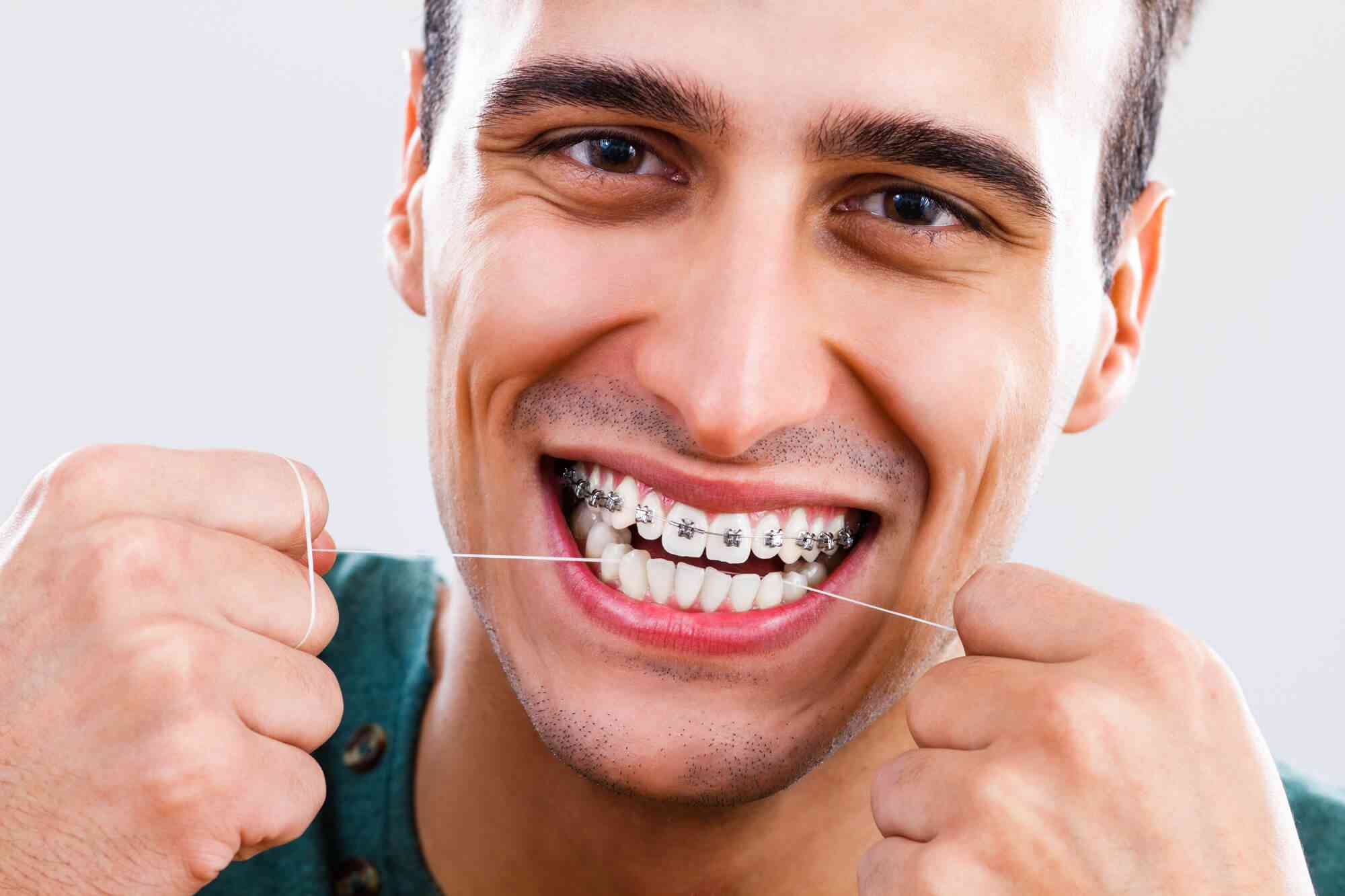
How Invisalign and Braces Compare
Choosing between clear aligners and traditional metal braces is one of the biggest decisions in orthodontic treatment. Both methods effectively straighten teeth, but they work differently and require different levels of daily discipline. Understanding these differences helps you pick the option that fits your lifestyle and compliance level.
The main tradeoff usually comes down to aesthetics versus convenience. Braces are fixed to your teeth, so you can't remove them to eat or brush. Invisalign aligners are removable, which makes eating and oral hygiene easier, but only if you wear them for the required 20 to 22 hours a day. If you struggle with consistency, braces are a safer bet because they work whether you remember them or not.

The table below breaks down the practical differences you will face in your first week and beyond. Costs vary widely by location and case complexity, but the structural differences in care and appearance remain consistent.
| Feature | Invisalign | Metal Braces |
|---|---|---|
| Appearance | Nearly invisible plastic aligners | Visible metal brackets and wires |
| Dietary Restrictions | None; remove aligners to eat anything | Avoid hard, sticky, or chewy foods |
| Daily Wear Time | 20–22 hours per day required | Continuous (24/7) |
| Oral Hygiene | Easy; brush and floss normally | Requires special brushes and floss threaders |
| Adjustment Visits | Every 6–8 weeks for new trays | Every 4–6 weeks for tightening |
| Average Cost | $3,000–$8,000 | $3,000–$7,000 |
What to expect in your first 72 hours
The first three days after getting braces or Invisalign aligners are usually the most physically demanding part of your treatment. While the initial placement is painless, the biological process of tooth movement begins almost immediately. As your teeth start to shift under pressure, you will likely feel soreness in your teeth and gums. This is a normal sign that the treatment is working, but it requires a bit of patience and care to manage.
Discomfort typically peaks on day two or three as the teeth adjust to the new force, then subsides as your mouth adapts. Most patients find that over-the-counter pain relievers and soft foods are sufficient to handle the soreness. By day four or five, the significant discomfort usually fades, and you can begin to feel more comfortable again.
Managing Pain and Soreness
To handle the soreness, take a non-prescription pain reliever like ibuprofen or acetaminophen shortly after your appointment. Applying orthodontic wax to any brackets or wires that rub against your cheeks can prevent sores. For Invisalign patients, the edges of the aligner might irritate your tongue or gums; using wax or chewing sugar-free gum can help smooth the edges.
Food Choices for the First Week
Your diet should change significantly during this period. Stick to soft, easy-to-chew foods that require minimal biting force. Avoid hard, crunchy, sticky, or chewy foods that can damage your braces or cause excessive pain.
| Food Type | Safe Options | Foods to Avoid |
|---|---|---|
| Proteins | Scrambled eggs, yogurt, soft fish, ground meat | Steak, jerky, tough chicken wings |
| Grains | Mashed potatoes, oatmeal, soft pasta, rice | Hard pretzels, crusty bread, popcorn |
| Fruits/Veg | Bananas, applesauce, cooked carrots | Apples, carrots, corn on the cob |
| Snacks | Ice cream, smoothies, pudding | Caramel, gum, nuts, hard candy |
Drinking plenty of water helps keep your mouth hydrated and can soothe irritated gums. If you are wearing Invisalign, remember to remove the aligners when eating or drinking anything other than water. This prevents staining and protects both your aligners and your teeth from sugar and acids.
Oral Hygiene During Soreness
Gentle but thorough cleaning is essential. Use a soft-bristled toothbrush to avoid irritating your gums further. Brush after every meal and before bed, and floss daily to remove food particles trapped around brackets or under aligners. If brushing hurts, try rinsing with warm salt water to reduce inflammation and keep the area clean.
Safe foods for your first week
The first few days after getting braces or aligners are the most sensitive period for your teeth and gums. To prevent damage to your appliances and reduce chewing discomfort, stick to soft, easy-to-chew foods. Think of this week as a palate reset—focus on meals that require minimal force.
Hard, crunchy, and sticky items are the enemies of new orthodontic work. Hard foods like nuts, ice, and hard pretzels can crack brackets or wires. Sticky or gummy foods, including gum, caramel, taffy, and fruit snacks, can pull appliances loose or become trapped in hard-to-reach places. Crunchy chips and popcorn kernels are particularly risky because they can get wedged under the gum line or snap brackets off entirely.
Instead, build your first week’s menu around soft staples. Mashed potatoes, yogurt, oatmeal, scrambled eggs, smoothies (without hard chunks), and well-cooked pasta are safe bets. These foods provide nutrition without stressing your teeth. As the soreness fades, you can gradually reintroduce firmer textures, but for now, let your mouth rest.
| Safe First Week Foods | Foods to Avoid |
|---|---|
| Yogurt, pudding, applesauce | Hard candy, ice, nuts |
| Mashed potatoes, soft rice | Popcorn, hard pretzels |
| Scrambled eggs, soft tofu | Caramel, taffy, gummy candy |
| Smoothies (no chunks), soup | Crunchy chips, thick tortilla chips |
| Well-cooked pasta, soft fish | Chewy bagels, tough steaks |
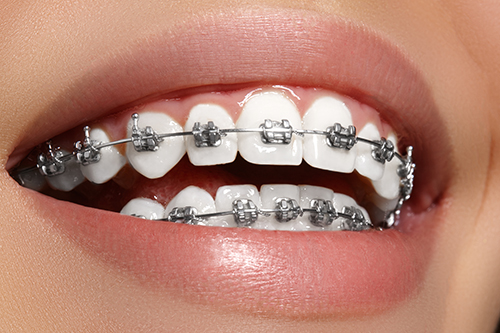
What to avoid in the first week of braces
While the initial week is about soft foods, it’s also about avoiding habits that compromise your treatment. The American Association of Orthodontists (AAO) emphasizes that consistent care during this sensitive period sets the tone for your entire journey. Avoid chewing on pens, fingernails, or ice, as these non-food items can bend wires or break brackets just as easily as hard candy.
If you’re wearing Invisalign, remember that you can only drink water while the trays are in. Sugary or acidic beverages like soda, coffee, or juice can stain the aligners and promote tooth decay if trapped against your teeth. Always brush your teeth before reinserting your trays to keep your enamel healthy.
For braces wearers, sticky foods are especially dangerous because they can adhere to the brackets and require significant force to remove, potentially popping them off. If you accidentally eat something risky, inspect your mouth for loose brackets or poking wires. If you notice damage, contact your orthodontist promptly rather than waiting for your next scheduled appointment.
Oral hygiene routine adjustments
Your teeth are moving, which means plaque has new hiding spots. Without a stricter cleaning routine, you risk decalcification—permanent white spots on enamel—and gum inflammation. The American Dental Association emphasizes that brushing alone isn't enough when wires and brackets are in the way. You need to adapt your daily habits immediately to keep your gums healthy and your smile clean.
Your new daily routine
Follow these steps to protect your teeth during the first week and beyond:
Brush within 30 minutes of eating. Use a soft-bristled brush and fluoride toothpaste. Angle the bristles at 45 degrees toward the gumline to clean under the wires. If you can't brush immediately, rinse thoroughly with water to wash away food particles.
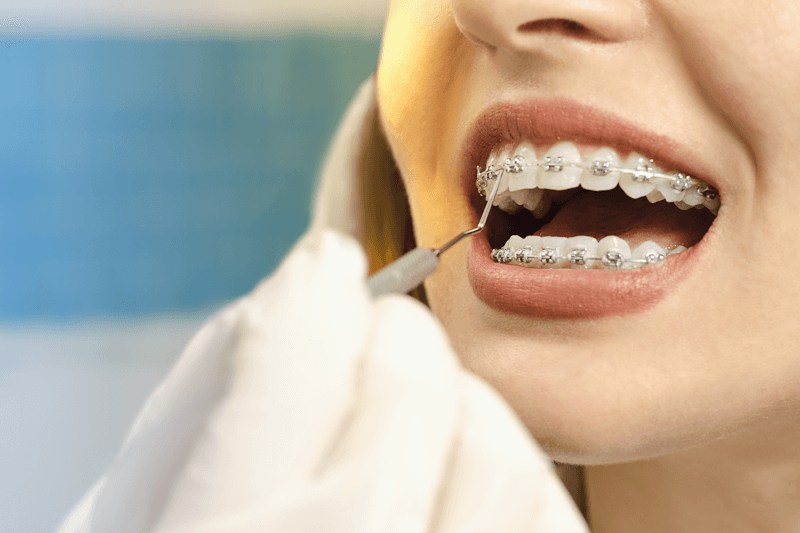
Plaque builds up between teeth even faster with braces. Use a floss threader or orthodontic flossers to get under the main wire. Clean the back of each front tooth and the sides of every tooth before bed. This prevents the gum inflammation that often starts in tight spaces.
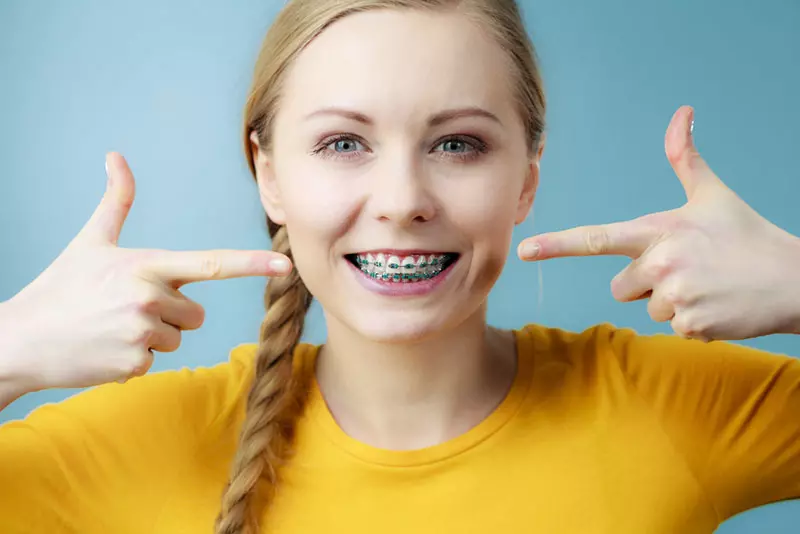
Rinse with an alcohol-free fluoride mouthwash to strengthen enamel and reduce bacteria. Alcohol can dry out your mouth, which increases cavity risk. Swish for 60 seconds after brushing and flossing. This is especially helpful for Invisalign wearers who need to clean their trays and teeth thoroughly.
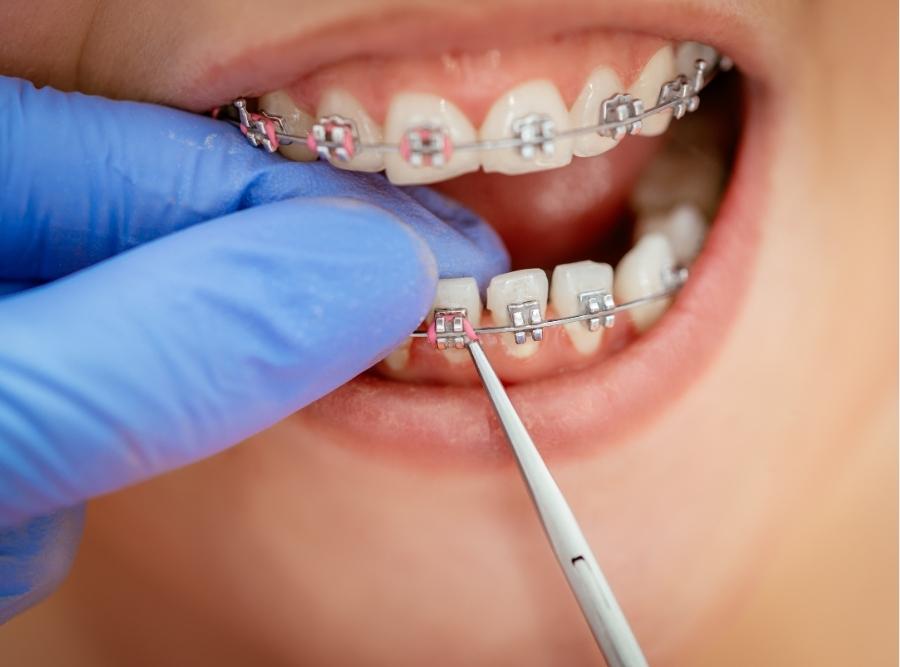
Check your braces or aligners in the mirror after brushing. If a bracket feels loose or a wire pokes your cheek, note it for your orthodontist. For Invisalign, ensure the attachments are still bonded and the trays fit snugly. Report any issues immediately to avoid treatment delays.
Food and hygiene trade-offs
Some foods are harder to clean than others. Sticky foods leave residue that brushing can't always remove, while hard foods can damage your appliances. Use this table to guide your choices during the first week.
| Food Type | Risk Level | Hygiene Action |
|---|---|---|
| Sticky candy or gum | High | Avoid; if eaten, floss immediately |
| Crunchy chips or nuts | Medium | Brush after eating to remove crumbs |
| Soft foods (yogurt, soup) | Low | Rinse with water after eating |
| Hard apples or carrots | High | Cut into small pieces; brush thoroughly |
Consistency is your best defense. Stick to this routine, and you'll avoid the most common complications of orthodontic treatment.
Common questions about braces treatment
Starting orthodontic care brings practical questions about timelines, costs, and daily adjustments. The following answers address the most frequent concerns new patients have during their first few weeks of treatment.
No comments yet. Be the first to share your thoughts!