

First Week with Braces: What to Expect
The first week with braces is less about the initial placement and more about the days that follow. While having the braces placed on your teeth is not painful, the real adjustment begins as your teeth start to move. This movement triggers soreness in the gums and teeth, a sensation that typically peaks within the first 24 to 48 hours. Understanding this timeline helps you prepare for the physical reality of orthodontic treatment.
Manage Pain and Soreness
Soreness is the most common complaint during the first week. As your teeth begin to shift, the pressure from the brackets and wires can make chewing uncomfortable. Over-the-counter pain relievers like ibuprofen or acetaminophen can help manage this discomfort. Some orthodontists also recommend applying orthodontic wax to any brackets that rub against your cheeks or lips, preventing sores and irritation.
Stick to Soft Foods
On your first day with braces, sticking with soft foods and cold drinks is your best bet. Cold items like ice cream or smoothies can also help numb sore gums. Avoid hard, crunchy, or sticky foods that can damage the brackets or get stuck in the wires. Good options include mashed potatoes, applesauce, soup, pudding, and yogurt. Cutting food into small pieces makes it easier to chew without putting excessive pressure on your teeth.
Maintain Oral Hygiene
Brushing and flossing become more critical with braces. Food particles can easily get trapped around the brackets, leading to plaque buildup and potential decay. Use a soft-bristled toothbrush and fluoride toothpaste to clean around each bracket thoroughly. An interdental brush or water flosser can be helpful for reaching areas that a regular toothbrush might miss. Consistent hygiene now sets the foundation for a healthy smile throughout your treatment.
Attend Your Follow-Up
Your orthodontist will likely schedule a follow-up appointment within a week or two. This visit allows them to check on your progress, adjust the wires if necessary, and address any concerns you have about discomfort or fit. Don’t hesitate to ask questions about your oral care routine or what to expect in the coming weeks.
First week braces choices that change the plan
When you first get braces, your mouth faces a steep learning curve. The initial adjustment period involves balancing comfort against the necessary mechanical force required to move teeth. Understanding these tradeoffs helps you manage the transition without derailing your treatment timeline.
The soreness typically peaks between 24 and 72 hours after placement. During this window, your teeth feel tender to pressure, making chewing difficult. This discomfort is a sign that the brackets and wires are actively engaging with your dental arches. While over-the-counter pain relievers can help, they do not speed up the process; patience is the only true remedy.
Dietary changes are the most immediate tradeoff. Soft foods like mashed potatoes, smoothies, and yogurt become your primary fuel source for the first week. Hard, crunchy, or sticky foods can damage brackets or cause significant pain. This shift requires planning ahead, as spontaneous meals often involve textures you must avoid.
Salivation and speech changes are also common. Your mouth may produce more saliva as it adjusts to the new hardware. You might also notice a slight lisp as your tongue learns to adjust to the new contours of your teeth. These issues usually resolve within a few days as your muscles adapt.
| Factor | Days 1-3 | Days 4-7 | Management Tip |
|---|---|---|---|
| Pain Level | High - Peak soreness | Moderate - Dulls significantly | Use orthodontic wax and soft diet |
| Eating Ability | Limited to soft foods only | Expanding to chewier foods | Cut food into small pieces |
| Speech | Minor lisp or awkwardness | Normalizes | Read aloud to practice |
| Salivation | Excessive drooling | Returns to normal | Keep tissues handy |
The first week is about damage control and adaptation. Focus on keeping your mouth clean and your diet soft. By the end of the week, the initial shock wears off, and you can begin focusing on the long-term benefits of your smile.
How to handle your first week with braces
Getting braces placed is painless, but the soreness that follows is real. As the wires begin to shift your teeth, your mouth will need time to adjust to the new hardware. This first week sets the foundation for your treatment, so managing discomfort and protecting the brackets is critical.
Follow this sequence to handle the initial adjustment period effectively.

Start with over-the-counter pain relievers like ibuprofen or acetaminophen before the anesthesia wears off completely. Apply orthodontic wax to any brackets or wires that irritate your cheeks or gums. Ice packs on the outside of your face can also reduce inflammation and numb the area.
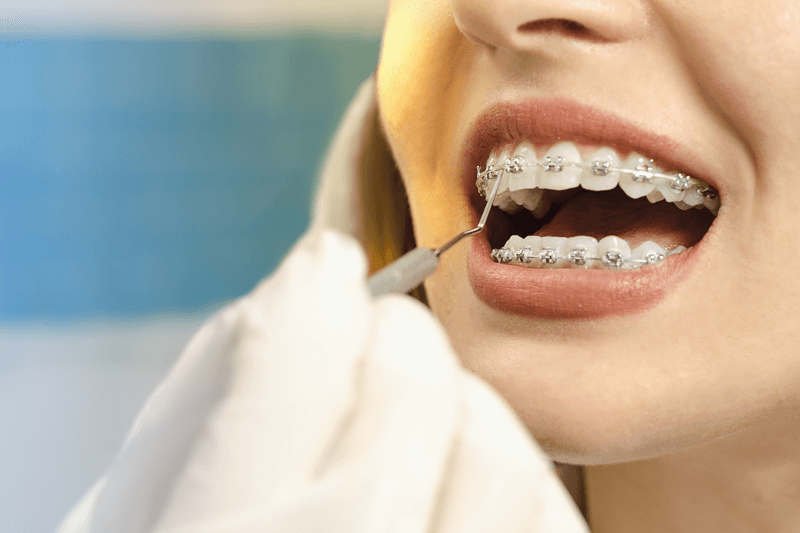
Your teeth will be tender, so avoid anything hard, crunchy, or chewy. Opt for mashed potatoes, yogurt, smoothies, soup, and pudding. Cutting fruits and vegetables into small pieces or cooking them until soft prevents accidental damage to the brackets.

Brush carefully around the brackets using a soft-bristled toothbrush. Flossing is essential but can be tricky; use a floss threader or water flosser to clean between teeth without dislodging the wires. Avoid whitening toothpaste for now, as it won’t work on brackets and can irritate sensitive gums.
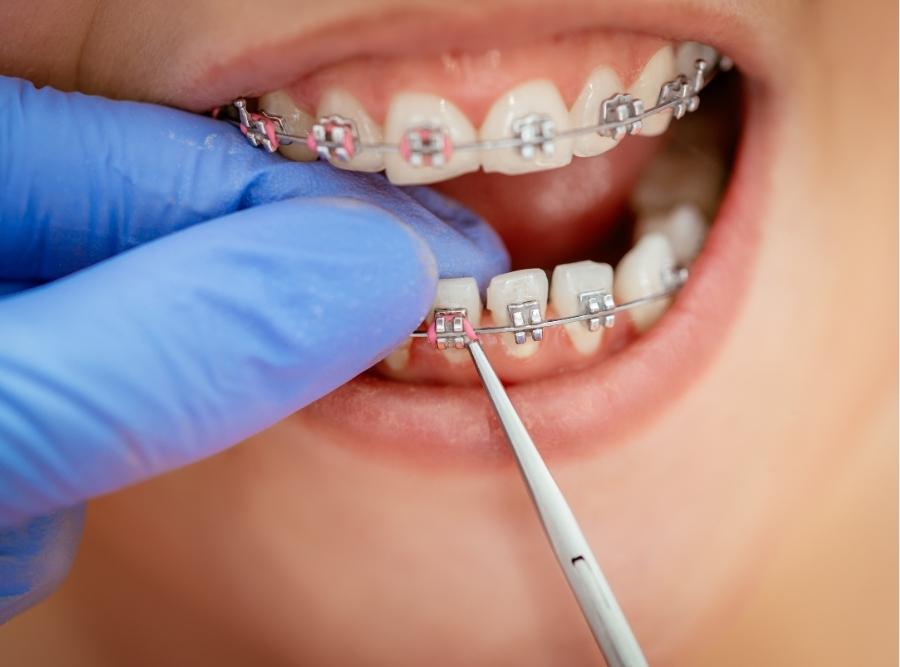
If your gums feel sore or inflamed, rinse with warm salt water several times a day. This natural antiseptic helps soothe irritation and keeps the area clean while your mouth adjusts to the new hardware.

By the end of day one, you should have a clear idea of what foods to stock and what tools to keep handy. Keep a small orthodontic kit in your bag or car for emergencies like loose wires or lost brackets.
Common mistakes to avoid
Don’t try to "tough it out" without pain relief. Early management of soreness makes the rest of the week much easier. Also, avoid using your teeth to open packages or bite into hard items like apples or nuts, as this can break brackets and delay your treatment.
When to call your orthodontist
If you experience severe pain that doesn’t improve with medication, or if a bracket breaks or a wire pokes your cheek significantly, contact your orthodontist. Minor adjustments are common, but major issues need professional attention to keep your treatment on track.
Avoid the weak options
Many first-time brace wearers make assumptions that backfire during the adjustment period. Orthodontic treatment is a physical process, not a passive service. The initial soreness peaks between days two and four as the teeth begin to shift. Ignoring this reality leads to poor dietary choices and unnecessary discomfort.
The most common mistake is eating hard or chewy foods immediately after placement. Sticky candies, hard nuts, and crusty bread can dislodge brackets or bend wires. Stick to soft foods like mashed potatoes, smoothies, and soups for the first few days. This simple trade-off prevents emergency visits and keeps your treatment on schedule.
Another weak option is skipping orthodontic wax. The brackets and wires will irritate your cheeks and lips until you adapt. Keep wax on hand from day one. Apply it to any protruding wire or bracket edge to create a smooth surface. This small step significantly reduces mouth sores and helps you adjust faster.
Finally, don’t underestimate the importance of following your orthodontist’s instructions. Skipping appointments or neglecting oral hygiene can prolong treatment. Trust the process, but stay proactive about your comfort and care.
First Week with Braces FAQ
Navigating the initial adjustment period is less about enduring pain and more about managing the mechanics of eating and cleaning. The first few days are the most significant hurdle; after that, braces quickly become part of your daily routine.
No comments yet. Be the first to share your thoughts!