

Why your mouth feels sore
Your teeth are moving. That pressure you feel is the orthodontic wire actively shifting your teeth. While this indicates the treatment is working, it also means your mouth is going through a period of significant adjustment. During the first 3-5 days, your teeth and gums will likely feel tender, sensitive, and achy. This soreness is the most common complaint among new brace wearers, and it directly dictates your Braces Diet for the immediate future.
Eating hard, crunchy, or chewy foods during this window doesn't just cause pain; it risks damaging the appliances. Brackets can pop off, and wires can bend if they encounter resistance your mouth isn't ready to handle. To prevent pain and appliance damage, you must stick to soft foods that require minimal chewing. Think of this phase as a protective period for both your smile and your wallet.
During these initial days, your focus should be on nutrition without the mechanical stress of chewing. Smoothies, mashed potatoes, yogurt, and lukewarm soups provide the necessary calories while allowing your teeth to settle into their new alignment. Avoid hot foods immediately after adjustment, as heat can increase inflammation in already sensitive gums. As the soreness subsides after a few days, you can gradually reintroduce softer solids, but for now, keep it gentle.
Soft foods for days one through three
Your teeth will feel tender and your gums may be swollen immediately after the braces are placed. The goal for the first 72 hours is to minimize chewing and reduce inflammation. Stick to cold or room-temperature items, as hot foods can increase blood flow to the area and worsen soreness.
Day 1: Cold and Creamy
Start with foods that require zero chewing. Cold items act as a natural anesthetic, numbing the discomfort. Yogurt, smoothies, and ice cream are ideal because they are nutrient-dense and easy to swallow. If you are hungry for something more substantial, try applesauce or pudding. Avoid anything with chunks, seeds, or nuts, as these can get stuck in the brackets and cause irritation.
Day 2: Soft Grains and Proteins
As the initial shock wears off slightly, you can introduce softer solids. Scrambled eggs are a perfect protein source because they are fluffy and easy to break down. Mashed potatoes and oatmeal provide energy without requiring significant jaw movement. Ensure your oatmeal is cooked until very soft and let it cool to a warm, not hot, temperature. Avoid rice or quinoa at this stage, as the small grains can easily lodge under the wires.
Day 3: Gentle Comforts
By the third day, you might feel ready for slightly more texture. Macaroni and cheese is a classic comfort food that fits the braces diet perfectly. Well-cooked pasta, soups without large chunks, and steamed vegetables that are soft enough to mash with a fork are safe options. Continue to avoid crunchy, chewy, or sticky foods. If an item requires significant force to bite through, it is not safe for your braces yet.
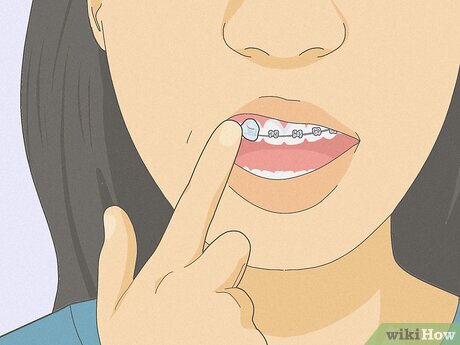
Prep smoothie packs and cook soft grains in advance so you don't have to chop or chew hard items. Having meals ready reduces the temptation to reach for hard snacks when you are tired or sore.
Days four through seven: moving toward normal textures
By day four, the initial shock of getting braces has usually faded. Your mouth is less tender, and the wires have settled. This is the window where you can start expanding your Braces Diet beyond mashed potatoes and smoothies. The goal is to introduce slightly more textured foods that require a little more chewing effort, helping your jaw muscles adjust without causing unnecessary pain or damage.
Think of this phase as a gentle test. If a food feels like it might tug at your brackets or requires forceful biting, it’s not ready yet. Stick to soft-cooked items that break down easily. Cooked vegetables, soft proteins like ground meat or flaky fish, and soft grains are your new best friends. These foods provide necessary nutrients and variety without the risk of bending wires or popping brackets.
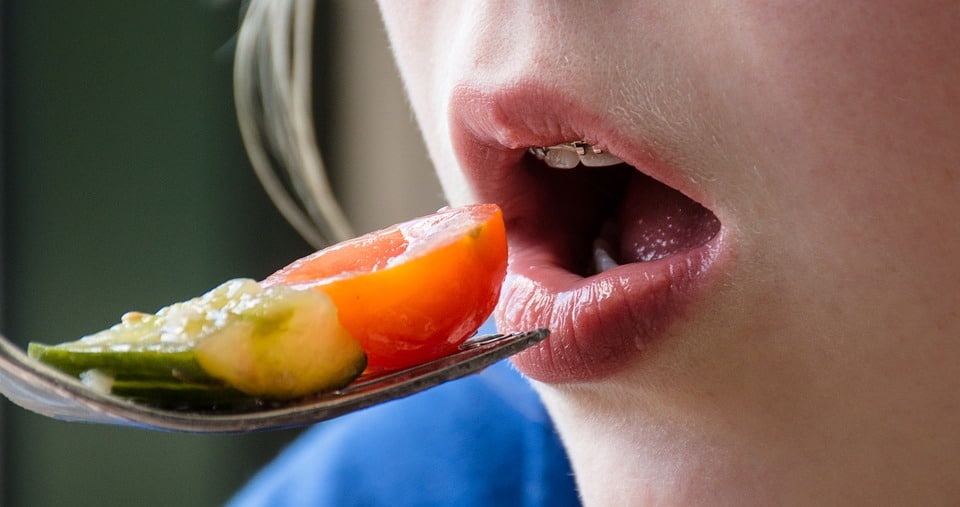
To help you plan your grocery list and meal prep, here is a quick comparison of what to avoid in the first three days versus what you can safely introduce now.
| Food Type | Days 1-3 (Strict Soft) | Days 4-7 (Transitioning) |
|---|---|---|
| Vegetables | Raw veggies, hard carrots | Steamed broccoli, cooked carrots, zucchini |
| Proteins | Smoothies, yogurt, protein shakes | Ground turkey, flaky fish, soft tofu |
| Grains | Oatmeal, pudding, applesauce | Soft pasta, rice, soft tortillas |
| Fruits | Bananas, blended berries | Canned peaches, stewed apples |
Start with small bites and chew slowly. Pay attention to how your teeth feel after each meal. If you notice increased soreness, scale back to the softer options from the first few days for a day or two. This gradual approach ensures your braces stay intact while you get used to eating normally again.
Foods that break brackets
Think of your braces as a delicate scaffolding. The brackets are glued to the enamel, and the archwire is held in place by tiny ligatures. When you introduce hard, sticky, or crunchy foods, you aren't just risking a cavity; you are applying mechanical leverage that can snap wires or pop brackets off entirely. This is the primary reason your orthodontist will ask you to stick to a soft diet initially.
The danger zone falls into three main categories: hardness, stickiness, and chewiness. Hard foods like nuts, hard candies, and raw carrots require biting force that exceeds the bond strength of the bracket adhesive. Sticky foods, such as caramel, taffy, or gummy bears, act like glue, pulling on the wires when you pull your teeth apart. Chewy foods, including bagels, steak, or tough bread crusts, require a tearing motion that can bend the archwire or dislodge the brackets.
Avoiding these items isn't just about comfort; it's about keeping your treatment on schedule. A broken bracket means an emergency visit to the orthodontist, which pauses your progress and extends the total time you wear braces. By steering clear of these mechanical hazards, you protect your investment and ensure your teeth move smoothly.
Manage pain and swelling
Your teeth will feel tender and your mouth may swell after the first adjustment. This is normal as your braces begin to shift your teeth. You can handle this discomfort with a few simple, non-food strategies.
Apply orthodontic wax
If the brackets or wires rub against your cheeks or gums, dry the metal with a tissue and press a small ball of orthodontic wax over the irritating spot. This creates a smooth barrier that prevents sores. You can also use a clean finger to gently mold the wax for a better fit.
Rinse with salt water
Mix half a teaspoon of salt into a cup of warm water. Swish it around your mouth for 30 seconds and spit it out. This rinse reduces inflammation and helps heal any minor cuts or ulcers caused by the new hardware. Do this two to three times a day, especially after eating.
Take over-the-counter pain relief
If the soreness is distracting, ibuprofen or acetaminophen can help. These medications reduce both pain and swelling. Always follow the dosage instructions on the bottle and consult your orthodontist if you have any medical conditions that prevent you from taking these drugs.
Use a cold compress
Apply an ice pack or a bag of frozen peas wrapped in a thin towel to the outside of your cheek for 15 minutes. The cold numbs the area and shrinks swollen tissues. This is especially helpful if your face feels puffy after the appointment.
-
Orthodontic wax
-
Table salt
-
Soft-bristled toothbrush
-
Over-the-counter pain relievers
-
Ice pack or cold compress
Sticking to a Braces Diet of soft foods during this time also reduces the pressure on your teeth, letting them settle more comfortably.
Common braces diet: what to check next
Navigating your first week with braces involves more than just avoiding hard foods. It helps to understand how treatment costs break down and what to expect as your teeth begin to move.
Is $7,000 a lot for braces?
Costs vary significantly based on the complexity of your case. Minor crowding or spacing issues typically range from $3,000 to $4,500, while moderate alignment challenges often fall between $5,000 and $7,000. Severe bite problems or complex cases requiring specialized appliances can exceed $8,000, so this figure is a realistic midpoint for many standard treatments.
What is stage 4 of braces?
Stage 4 is the Alignment & Leveling phase, which usually lasts three to six months. During this period, your orthodontist makes regular adjustments to the archwires, ensuring your teeth shift gradually into their desired positions. This is when your Braces Diet becomes most critical, as the wires are actively working to straighten your smile.
No comments yet. Be the first to share your thoughts!