

What to expect in the first 48 hours
The first 48 hours with braces are less about orthodontic mechanics and more about physical adaptation. Your mouth is adjusting to a new foreign object, and sensitivity is the normal baseline. The American Association of Orthodontists notes that discomfort is common as the teeth begin to shift under the pressure of the archwire. You are not experiencing a complication; you are experiencing the start of the process.
Pain management and eating
Your teeth will feel tender to the touch and when chewing. This is often described as a dull ache rather than sharp pain. Stick to soft foods for the first few days. Yogurt, mashed potatoes, smoothies, and scrambled eggs require minimal chewing and reduce irritation. Avoid hard, crunchy, or chewy foods that can dislodge brackets or increase soreness.
Over-the-counter pain relievers like ibuprofen or acetaminophen can help manage the discomfort. Take them as directed on the package, ideally before the anesthesia from your appointment fully wears off. This proactive approach prevents the pain from becoming severe.
Managing irritation
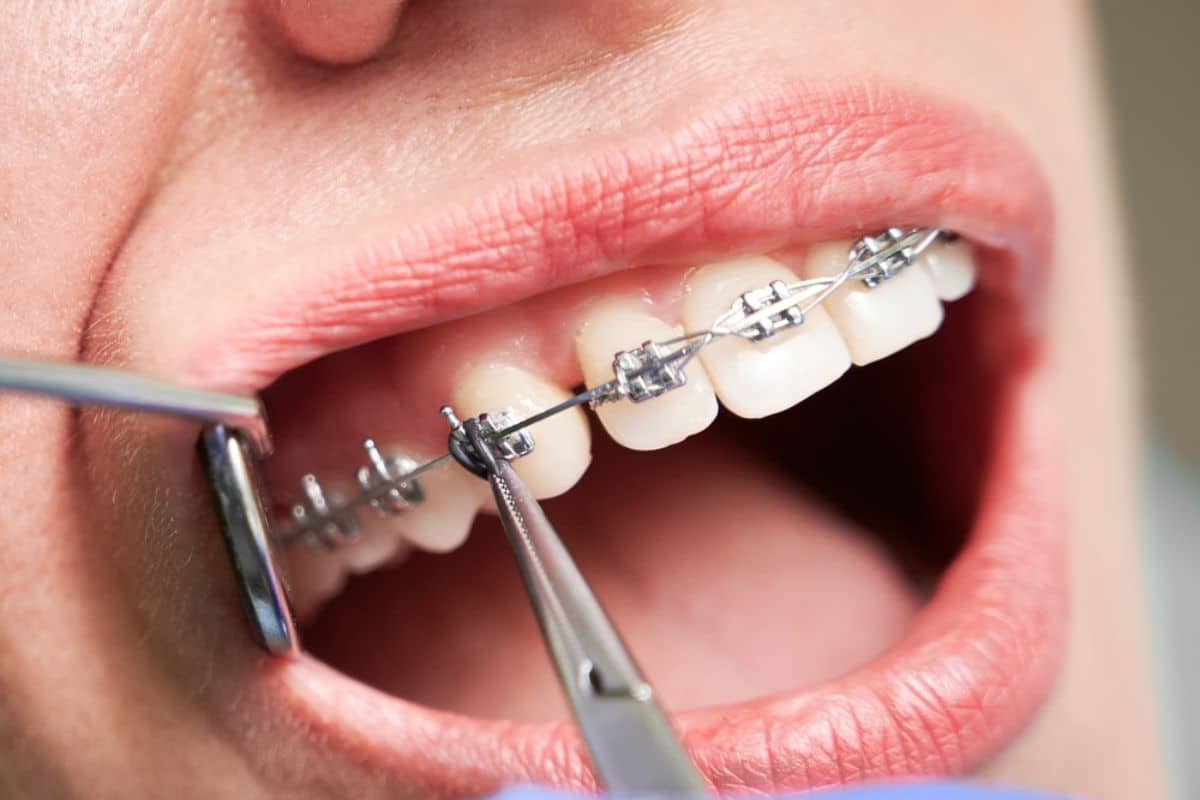
The brackets and wires can rub against your cheeks and lips, causing irritation or small sores. This is a mechanical issue, not a medical emergency. Orthodontic wax is your primary tool here. Dry the bracket with a tissue, roll a small piece of wax into a ball, and press it over the offending bracket. This creates a smooth barrier between the metal and your soft tissue.
Oral hygiene adjustments
Brushing may feel awkward at first. Use a soft-bristled toothbrush and brush gently around the brackets. Flossing will require more time and patience. Consider using a floss threader or an interdental brush to clean under the wire. Keeping your mouth clean is critical to prevent gum inflammation, which can worsen during this sensitive period.
Safe eating habits for new braces
Your first week with braces involves adjusting to hardware that sits directly on your tooth enamel. The brackets and wires are functional but fragile. They can bend, break, or detach if you bite into hard, sticky, or crunchy foods. Treating your braces like a temporary dental appliance rather than your natural teeth prevents costly repairs and extends your treatment time.
Cut food into small pieces
Large bites require excessive force to chew, putting stress on your brackets. Instead of biting into whole apples, carrots, or sandwiches, use a knife to cut them into bite-sized pieces. This simple adjustment allows you to eat normally without risking damage to your orthodontic hardware. Morita Orthodontics recommends this technique as a primary defense against broken brackets.

Choose soft, easy-to-chew foods
Prioritize foods that require minimal chewing effort during your initial adjustment period. Soft proteins like scrambled eggs, yogurt, and fish are gentle on sensitive teeth. Starchy sides such as mashed potatoes, pasta, and well-cooked rice provide energy without the crunch that threatens your wires. Fresh fruits like bananas, melons, and peeled peaches are safe alternatives to hard, raw produce.
Avoid sticky and hard textures
Sticky foods like caramel, taffy, and chewy gummies can dislodge brackets by pulling on the adhesive. Hard items such as nuts, hard candy, ice, and popcorn kernels can snap wires or crack brackets under pressure. Even hard breads like bagels or crusty rolls can cause issues if bitten directly. Stick to softer alternatives to keep your treatment on track.
Cut around bones and pits
When eating chicken, fish, or ribs, carefully remove bones before chewing. Similarly, always remove pits from fruits like peaches, plums, and cherries. Biting into a pit or bone can instantly break a bracket. If you are unsure whether a food is safe, err on the side of caution and choose a softer option until your teeth adjust.
How to floss with braces safely
Flossing with braces requires a bit more maneuvering than without them, but it is the single most effective way to prevent white spots and gum inflammation. The brackets and wires create nooks where food and plaque hide, making a standard flossing motion insufficient. You need to work around the hardware, not through it.
The American Association of Orthodontists recommends flossing at least once a day, ideally before bed. Doing so removes debris that brushing misses. If you skip this step, plaque hardens into tartar around the brackets, which can lead to permanent discoloration once the braces come off.
There are two main ways to tackle this: using a floss threader or using a water flosser. Both methods are effective if done correctly. Choose the one that feels most natural for your dexterity and comfort.
The key is consistency. It may take a few weeks to build the muscle memory for threading, but the results are worth it. If you struggle with dexterity, a water flosser can be a great alternative or supplement to traditional flossing.
Daily cleaning routine for brackets
Permanent white spots, or decalcification, are the most common side effect of braces. These chalky marks are caused by plaque buildup around the brackets and wires. Once the enamel demineralizes, the spots are often permanent. Preventing them requires a disciplined cleaning routine that treats every meal as an opportunity to reset your oral hygiene.
Brush after every meal
Food particles get trapped in the wires and brackets almost immediately. Brush your teeth within 30 minutes of eating to prevent acid from attacking the enamel. Use a soft-bristled toothbrush and fluoride toothpaste. Angle the bristles at 45 degrees toward the gumline and the top of the bracket. Spend at least two minutes brushing, ensuring you clean the front, back, and chewing surfaces of every tooth.
Floss once a day
Brushing alone cannot reach the tight spaces between teeth where plaque thrives. Use orthodontic floss threaders or a water flosser to clean under the main wire. If using traditional floss, gently slide it between each tooth and curve it around the side of the tooth in a "C" shape. This removes the biofilm that causes gum inflammation and cavities.
Apply wax as needed
Brackets can irritate your cheeks and lips, leading to sores that make brushing difficult. Dry the bracket with a tissue and apply a small piece of orthodontic wax to create a smooth surface. This allows you to maintain your cleaning routine without pain or hesitation.
Rinse with water
After brushing and flossing, rinse your mouth with water to flush away any remaining debris. If you cannot brush immediately after a meal, swishing with water is a good temporary measure to neutralize acids and loosen food particles.
When to call your orthodontist
It is normal to feel soreness after your braces are placed or adjusted. This discomfort usually peaks within 24 to 48 hours and fades as your teeth settle into their new positions. The American Association of Orthodontists notes that this tenderness is a sign that the braces are working, not a sign of damage.
However, not all pain is normal. If you experience sharp, persistent pain that does not improve with over-the-counter medication, or if you notice significant swelling in your gums or face, contact your orthodontist immediately. These could indicate an underlying infection or a more serious issue with your bite.
Beyond pain, watch for physical damage. If a wire pokes through the bracket and irritates your cheek or tongue, or if a bracket becomes loose or detached, call for an appointment. While minor wire irritation can often be managed temporarily with orthodontic wax, loose hardware can delay your treatment or damage your teeth if left unaddressed. Do not attempt to cut or bend wires yourself, as this can cause further injury.
Frequently asked questions about braces
Many patients ask about the financial commitment before committing to treatment. Understanding the cost structure helps you plan your budget and avoid surprises.
No comments yet. Be the first to share your thoughts!